
Southern Jutland, Denmark
Southern Jutland is a diverse Danish travel region stretching between the Baltic coast, fjords, islands and several towns. The first step in planning is choosing the right base: Sønderborg and Als offer a harbour and island trails, while Aabenraa, Haderslev and the towns farther north provide access to different coastlines and cultural attractions.
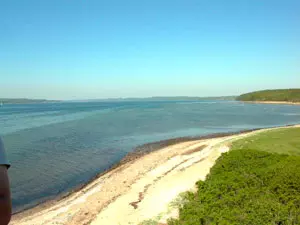 Vejle-Fjord in Südjütland
Photo: © nordlicht verlag
Southern Jutland at a glance
- Travel character: Coastal towns, the island of Als, fjords, historic towns and family-friendly attractions are spread across a broad region.
- Getting your bearings: Sønderborg makes a good island and harbour base; Aabenraa and Haderslev provide access to other fjord settings.
- Getting around: The E45, rail and regional bus connections, and several island ferries link the different areas; it’s worth planning your stages if you’re visiting rural destinations.
- Worth noting: Billund, Vejle, Fredericia and Christiansfeld are distinct destinations, some of them inland, and are not all Baltic seaside resorts.
Which coastal base is right for you?
If you’re looking for a stay with an island feel, harbour life and German-Danish history, Sønderborg is a good starting point. The town lies on the Als Sund and brings together a castle, harbour and town centre. Sønderborg Castle houses a museum on the history of the castle and the region; Dybbøl Banke is outside the town centre and makes a separate historical excursion. This lets you distinguish between a short stroll in the centre and a longer visit to the memorial sites, rather than planning them as one compact old-town walk. The town of Sønderborg is especially suitable if you like staying in a larger harbour town in the evenings.
The island of Als adds coastal paths, nature and ferry connections to this focus. It is not a single seaside resort, but an island with several towns and different stretches of shoreline. On the island, you can combine trips across the Als Sund with walks or bike rides; municipal information lists marked routes. Ferry connections such as Ballebro–Hardeshøj and Fynshav–Bøjden also make the island a possible part of a longer route across the water. If you’re planning a quiet island stay, you can compare accommodation and travel distances on Als instead of driving back and forth from Sønderborg every day. The page on the island of Als can help you decide where to stay.
On the mainland, Aabenraa and Haderslev are options for a fjord-side base. Aabenraa lies on a fjord and has a marina close to the old town and beach. This makes it easy to combine the maritime centre with the waterfront, without mistaking the town for an island destination. The town of Aabenraa is a good fit if you want to focus on the fjord and urban amenities. Haderslev is another town and fjord-side option; when choosing accommodation, consider whether you’d rather be close to the harbour, town centre or excursion routes.
Towns and cultural attractions beyond a beach holiday
Koldinghus is the cultural centrepiece of Kolding: the more than 750-year-old royal castle is now a museum and part of the Royal Collection. The tour combines ruinous architecture, changing exhibitions and views from the Giant’s Tower. The museum is about a five-minute walk from the railway station, making it easy to visit by train without a car. Kolding is therefore a distinct town and history stop, not a substitute for Sønderborg’s island and sound-side setting.
The old town of Christiansfeld, a settlement of the Moravian Church, is recognised by UNESCO as a World Heritage Site. Its planned layout, communal buildings, church, choirs and cemetery make it a clearly defined cultural destination. A visit is therefore different from a typical old-town stroll: the settlement as a whole is part of the heritage. If you stop there, allow time to walk around the centre rather than treating Christiansfeld as just a name you pass on the way. The page on Christiansfeld adds to the range of places to visit in the region.
Fredericia offers another, quite different focus: with its ramparts, beach and natural areas, the town is a destination in its own right. You can divide a visit between history and outdoor activities. The town of Fredericia is particularly interesting if you want to experience a fortified town without choosing an island or seaside resort. In Vejle, Fjordenhus marks the transition between harbour and town: the building on Havneøen showcases Olafur Eliasson’s art on the ground floor, which is open to the public during the day. If you’re looking for a historical attraction with deeper roots rather than modern architecture, you can add the UNESCO site of Jelling, about ten kilometres to the northwest. There, runestones, burial mounds and a church stand alongside the interactive Kongernes Jelling visitor centre. The town of Vejle and Jelling are part of an inland urban and cultural landscape, not a beach stop. VisitVejle also lists a 4.1-kilometre walk through the old town and a 5.8-kilometre route around the harbour and fjord; the two routes offer different views of the town.
Billund is a dedicated leisure stop inland. At LEGO House, families can visit four interactive Experience Zones featuring building, construction and play activities. These zones require a ticket with a selected entry time, while LEGO Square, the shop and the rooftop terraces are accessible without a zone ticket. According to the operator, the experience zones take an average of three to four hours, not including time for food or the shop. This is useful when planning your day: LEGO House is a dedicated indoor play experience, not simply another attraction on the way to the beach. The Billund overview introduces this family-friendly destination.
Islands, ferries and routes around the region
Island connections are among the region’s distinctive features. The Aarø ferry from Aarøsund and the service to Barsø are short crossings to smaller islands; on Als, the Ballebro–Hardeshøj ferry connects the shores of the Als Sund. The ferry between Fynshav on Als and Bøjden on Funen is another way to plan a route across the water. These connections are useful if you’re planning a circular trip, but they don’t automatically replace road or rail routes between destinations. First decide which island you want to visit, then plan the rest of your journey around it.
For travel on land, VisitSønderjylland lists the E45, as well as train and regional bus connections to many places. A car makes it easier to get between more remote coastal spots and island harbours; trains and buses mainly serve the larger towns, so you should plan the final leg separately. If you’re travelling by bike, you can use existing routes, but be sure to factor ferry crossings and distances into each day’s ride. One base for all your destinations may not be practical: the region spans Southern Jutland’s towns as well as more distant cities and family attractions.
Choose where to stay based on your trip
For a trip of several nights, you can either choose one fixed base or move between locations. Accommodation in Sønderborg works well for the castle, harbour and day trips on Als; Aabenraa or Haderslev are alternatives if you want to focus on the fjord and mainland. If you’re including the northern towns and Billund, allow for extra travel time or split the trip into several stages. The accommodation in Southern Jutland page is a good place to start comparing places to stay in the region.
If you’re visiting for a short time, don’t try to cover every part of the region in one day. A day in Sønderborg can combine the castle, harbour and town centre; another day can be devoted to Dybbøl or Als. For a stay focused on the beach and fjord, choose a base near the water and treat an island crossing as a separate activity. If your main interests are World Heritage, urban history or theme parks, it makes more sense to plan a dedicated day trip to Christiansfeld, Fredericia or Billund than to keep changing your coastal base.
For a three-day trip, consider an itinerary with clearly separated themes: Sønderborg’s castle and harbour, a day on Als, then a cultural attraction inland. Choose the World Heritage settlement of Christiansfeld, Koldinghus or—if you’re travelling with family—LEGO House in Billund. Dybbøl Banke makes a separate historical excursion from Sønderborg; it isn’t part of a short harbour walk. This leaves time to actually visit each attraction, rather than trying to cram a town, an island and a theme park into one day.
Koldinghus is an especially easy town visit by train, as the museum is just a few minutes’ walk from the railway station. Ferries are useful for selected island crossings such as Als, so the departure ports should be factored into your day’s route. Vejle and Jelling make an inland combination of harbour architecture and World Heritage, while Billund’s leisure attractions take several hours to explore.
Frequently asked questions about Southern Jutland
Where’s a good place to stay as a base?
Sønderborg is a good fit for the harbour, castle and island of Als. Aabenraa and Haderslev are options for mainland access to the fjords. If you’re including Kolding, Fredericia, Vejle or Billund, allow for longer journeys or plan several stages.
Which places are actually coastal destinations?
Sønderborg, Aabenraa and Haderslev are all located by the water; Als is an island. Christiansfeld, Kolding, Vejle, Fredericia and Billund broaden the region’s offering with distinct cultural, urban or leisure destinations, and are not all Baltic seaside resorts.
Can I travel around Southern Jutland without a car?
Many larger towns are accessible by train and regional bus, and ferries provide access to the islands. For smaller harbours and rural attractions, you may need an additional bus connection, a bike or another way to cover the final leg; plan each day’s journey around your specific destinations.
