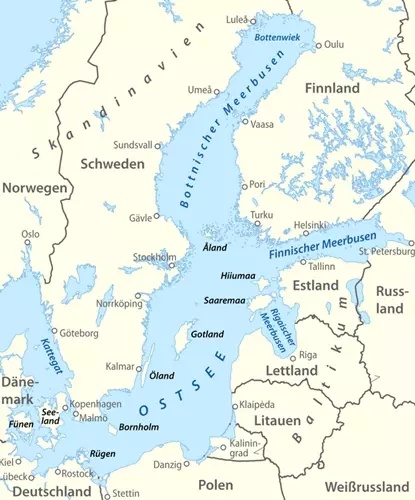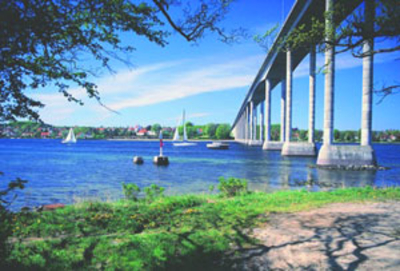
The Baltic Sea island of Funen, together with its neighboring islands of Tåsinge, Langeland and Ærø, is one of the most important holiday destinations on the Danish Baltic coast. Bridges and ferries connect the island with its neighbors Zealand, Langeland, Jutland and Als.
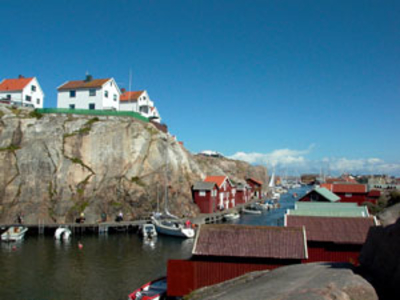
Sweden’s west coast, with the holiday destination of Bohuslän, lies north of Gothenburg, where the Kattegat coastline continues from the Baltic Sea. This popular Swedish holiday region offers holiday apartments, hotels, campsites and opportunities for water sports.
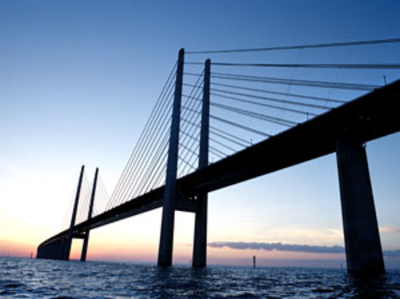
Skåne and Halland cover the southern stretch of Sweden’s coastline, with numerous holiday resorts and vacation centers. Hotels, holiday apartments and campsites are characteristic of the region.
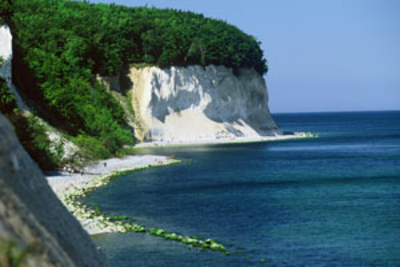
Germany’s largest island, Rügen, lies off the Pomeranian Baltic coast. The eastern half of the island is the most interesting in terms of scenery and tourism, with its hilly terrain home to most of the island’s sights and seaside resorts.
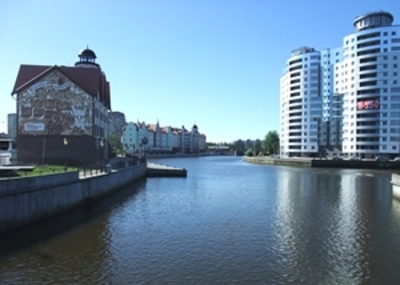
This region came into being as a result of the Second World War. The former Prussian province of East Prussia was divided between Poland and the Soviet Union. Kaliningrad Oblast comprises roughly the northern third of the former East Prussia. With an area of about 15,000 square kilometres and just under 1 million inhabitants, it is Russia’s smallest oblast and slightly smaller than Schleswig-Holstein.
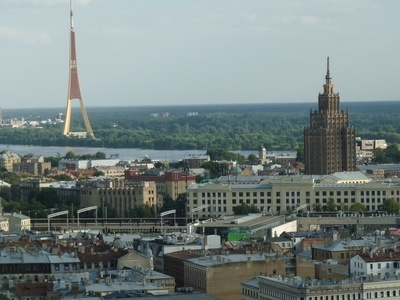
Estonia is the middle one of the three Baltic republics. Its 500-kilometer coastline on the Baltic Sea takes many forms, with old fishing villages and elegant seaside resorts defining the area. Latvia, a traditional meeting place of cultures in the Baltic region, is a tourism hotspot in northeastern Europe.
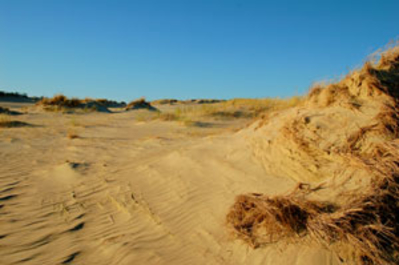
Lithuania is the southernmost of the three Baltic countries. Its Baltic coastline stretches for just under 100 kilometres, from the well-known seaside resort of Palanga in the north, past the port city of Klaipeda, to the Curonian Spit in the south. The inland region, with its diverse natural landscapes and cultural attractions, also offers numerous appealing destinations.
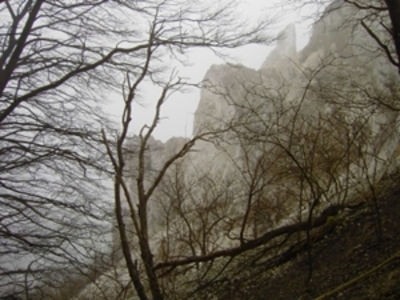
The three Danish islands of Lolland, Falster and Møn lie south of the largest island, Zealand. While Lolland and Falster are transport hubs, Møn is the classic holiday island, known for its chalk cliffs.
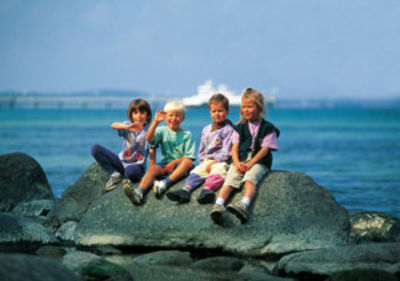
The areas close to the Baltic Sea stretch from Lübeck Bay in the west to the Pomeranian border on Fischland, part of the Fischland-Darß-Zingst peninsula. Mecklenburg’s largest city is the Hanseatic city of Rostock. The sandy beach and wooded hinterland are ideal for an active holiday.
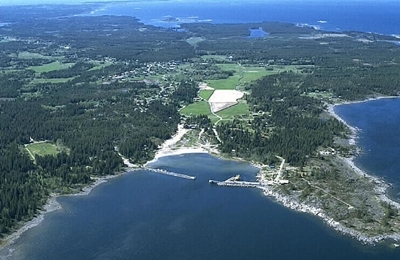
All of northern Sweden borders the Baltic Sea, along the Gulf of Bothnia. Numerous coastal towns and attractive natural scenery, with rocky shores and archipelagos, define this Swedish Baltic holiday region.
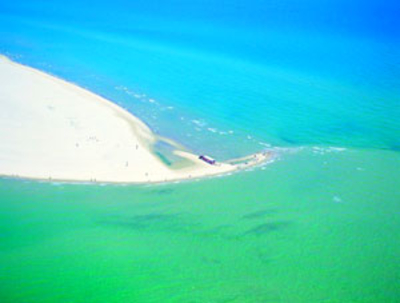
The northern part of the Jutland peninsula is not only home to Denmark’s northernmost point; it is also where the Baltic Sea begins for everyone approaching from the west. Under a definition newly established in 2014, Cape Skagen separates the Skagerrak, a sea area in the North Sea, from the Kattegat, the northwesternmost part of the Baltic Sea.
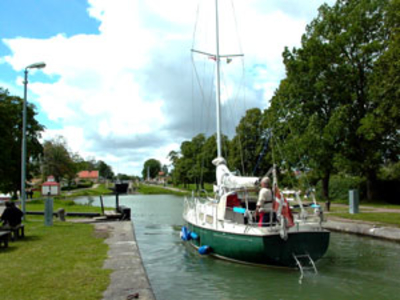
Situated between Småland and the Stockholm Archipelago, Östergötland offers numerous seaside resorts along Sweden’s Baltic coast. The island of Gotland is one of Sweden’s most popular Baltic holiday destinations.
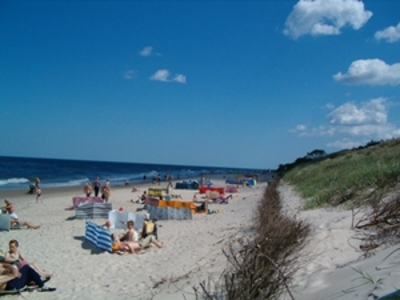
The name of this Polish voivodeship comes from the historic region of Pomerania, which encompasses the entire Baltic coast and its hinterland, from the Darß-Zingst Peninsula to the Bay of Gdańsk. Today’s Polish Pomeranian Voivodeship was formerly also known as Pomerelia (Little Pomerania) and, between the two world wars, as West Prussia.
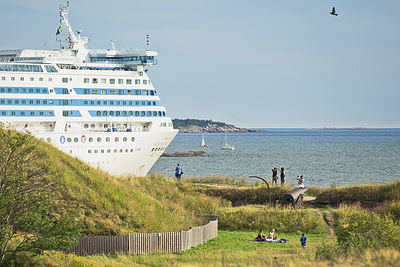
The southern Finnish coast borders the Gulf of Finland along its entire length, at the easternmost extent of the Baltic Sea. The coastline is exceptionally rugged and indented. Some 73,000 large and small rocky islands (skerries), each covering at least 500 square metres, form part of the nearly 40,000-kilometre coastline.
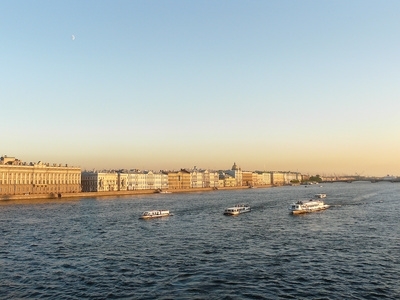
The city of St. Petersburg and its surroundings are among the most important tourist centers throughout the Baltic region. The city itself, with its historic buildings and palaces, is complemented by world-famous suburbs established during the tsarist era, many of which are now part of the UNESCO World Heritage Site.
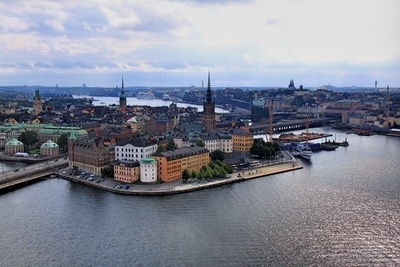
Stockholm is not only the city itself on Lake Mälaren on Sweden’s Baltic coast, but also the center of one of the most important holiday regions along the entire Baltic coast.
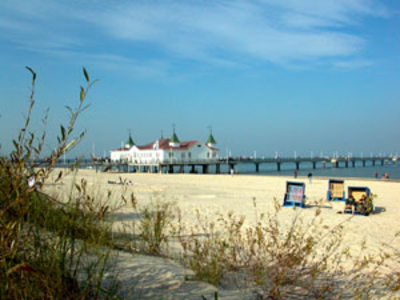
Usedom offers Imperial Resorts, wide beaches, the Achterland and day-trip destinations as far as Świnoujście. An overview for a Baltic Sea vacation.
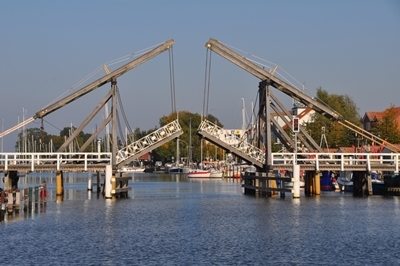
Vorpommern covers the area between Damgarten and Szczecin, including the former Hanseatic towns of Stralsund, Greifswald and Anklam, the seaside resort of Lubmin, the towns of Wolgast and Ueckermünde, and the holiday regions of Darß-Zingst, Rügen and Usedom.
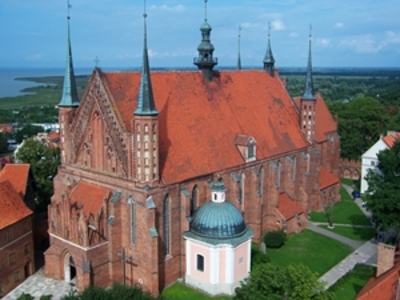
Only a small stretch of coastline along the shore of the Vistula Lagoon belongs to the Polish Warmian-Masurian Voivodeship, whose capital is Olsztyn (Allenstein). This Baltic Sea lagoon is separated from the Baltic Sea by the Vistula Spit and has just one passage, now located on Russian territory near Baltijsk (Pillau).
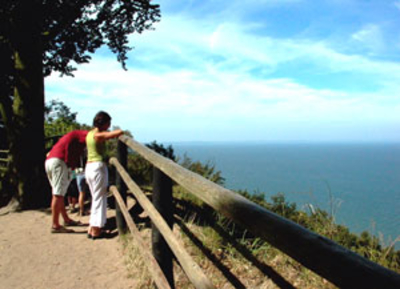
The western part of Poland’s Baltic coast, in the West Pomeranian Voivodeship (Województwo Zachodniopomorskie), corresponds to historic Farther Pomerania. The Baltic coast is characterized by wide sandy beaches, coastal forests, numerous coastal lakes and many seaside resorts. The center of Poland’s most important tourism region is Szczecin.
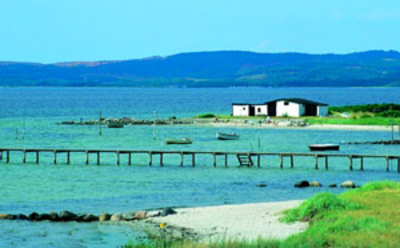
As the largest of the Danish Baltic Sea islands, Zealand combines the Copenhagen metropolitan area with a varied hinterland offering plenty of opportunities for active holidays, family breaks and holiday-home stays in Denmark.
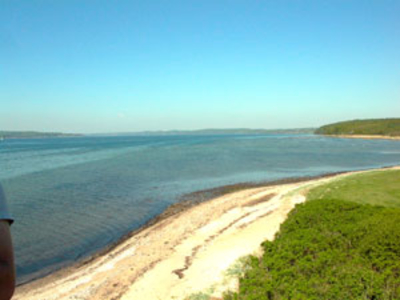
Southern Jutland comprises the Danish southern part of the Jutland peninsula (Jylland) as well as the island of Als. Its highly indented Baltic coast, with major towns including Haderslev (Hadersleben), Aabenraa (Abenrade) and Sønderborg (Sonderburg), is a popular tourist destination.
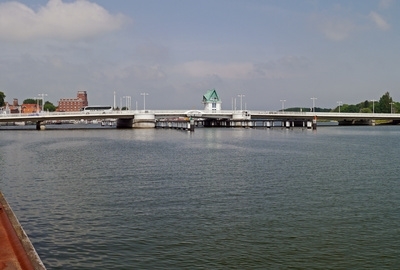
Every conceivable type of accommodation is available here: from farm holidays and campsites to youth hostels, guesthouses, small hotels, holiday homes and upscale luxury hotels. There is something to suit every kind of holiday.
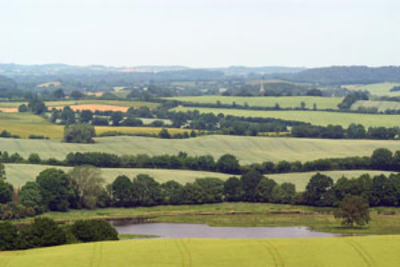
The Holstein coast and its hinterland are among the best-developed and most popular excursion regions in the entire Baltic Sea area. The triangle formed by Kiel, Lübeck and Fehmarn is also home to numerous sights from Holstein’s rich cultural history.