
Baltic Sea Cruise: Ports, Getting There and Shore Visits
A Baltic Sea cruise begins with more than just choosing a ship: the departure port, specific terminal, journey to the port and first shore visits all determine how smoothly the trip gets underway. Kiel and Warnemünde offer different routes between the station, the quay and the city; the right option depends on your schedule and the transfers you have booked.
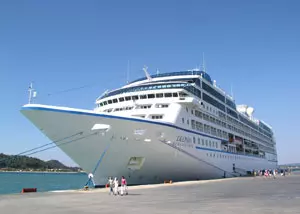 Kreuzfahrtschiff 'Delphin Renaissance'
Photo: © Peer Schmidt-Walther
Baltic Sea cruise: key facts
- In Kiel, the cruise terminals at Ostseekai are in the city centre; another cruise berth is located at Ostuferhafen.
- Ostseekai is about a 10- to 15-minute walk from the main station; Ostuferhafen is much farther out.
- Warnemünde Cruise Center is right at the passenger quay, next to the station; both Rostock and the seaside resort are within reach by S-Bahn.
- For shore visits, the exact time in port, berth, transfers and a sufficient buffer for returning to the ship all matter.
Distinguishing the departure port from the terminal
When choosing a cruise, first check the booking documents for the departure port and terminal: a port name can refer to several facilities, not necessarily the same walking route. In Kiel, cruise terminals and ferry terminals should be distinguished. The PORT OF KIEL lists Ostseekai and Ostuferhafen as cruise terminals. Ostseekai is in the city harbour, close to the city centre and main station. According to the port operator, it takes about 10 to 15 minutes to walk from the station to the terminal. If you have a late train, lots of luggage or limited mobility, taking a taxi or staying overnight near the station can simplify the journey.
By contrast, the cruise berth at Ostuferhafen is around eight kilometres from the city centre. The port operator lists bus routes 11 and X60 from the main station to Grenzstraße, as well as taxis, as options; the distance makes walking impractical. This difference matters more when choosing a hotel and planning your journey than the shared “Kiel” entry in the itinerary. If you choose your accommodation in Kiel based on the terminal, check carefully before booking whether the location suits Ostseekai or Ostuferhafen.
In Warnemünde, the Cruise Center is located at Passagierkai 3. The port says the station is very close by, with a walk of around 500 metres from the station to the terminal. The S-Bahn runs from Rostock main station to Warnemünde; the seaside resort’s station is right by the cruise quay. According to the port operator, the journey by train to central Rostock takes around 20 minutes. Accommodation in Warnemünde therefore makes a convenient base for the night before departure, while staying at a hotel in Rostock means a different journey to embarkation. Those travelling by car should plan around the port’s current parking arrangements: no visitor parking is available at the cruise terminal itself while a ship is in port.
Getting to the port before embarkation
When travelling by train, it is not just your arrival at the station that counts, but also the final leg to the right quay, luggage drop-off and the cruise line’s scheduled check-in time. Staying overnight before departure is a practical way to break up the travel day, especially when travelling a long distance. The same applies to the return journey: allow time for disembarkation and luggage collection, and book trains or flights with a time buffer. If you are driving, factor parking, transport to the terminal and pick-up time into your overall plans.
For the cruise itself, it is worth comparing itineraries by port sequence and length of stay. Ports such as Copenhagen, Stockholm, Helsinki, Tallinn and Riga differ in the distance between the berth and city centre, time ashore and excursion options. Island stops such as Rønne on Bornholm or Visby on Gotland add smaller port towns to a classic city itinerary. A longer stay allows more time to explore the city or surrounding area; with a short port call, the journey back to the ship needs to be manageable and reliable.
Costs should also be part of the comparison: cabin category, included meals, gratuities, transfers, extras and cancellation terms can all affect the total price. What matters is which items are included in the specific fare offered by your chosen cruise line.
Planning shore visits and a buffer for returning to the ship
Before every shore visit, make sure the berth, latest return time and any booked transfers all fit together. A shuttle or organised excursion may be necessary if the berth is farther out; from a quay close to the city, it is easier to fit an independent walk into your available time. The buffer for getting back should be based on the distance, transport and end of the boarding period—not just the scheduled departure time. Your travel documents will also show whether transfers and excursions are already included.
For a comparison of a large passenger ship and a canal passage, see the historical feature about the Norwegian Dream in the Kiel Canal for a specific example. Other travel stories bring together different ships and cruising areas; the cruise stories complement port planning with historical impressions from ship and shore.
Frequently asked questions about Baltic Sea cruises
Which Kiel terminal is within walking distance?
Ostseekai is near the city centre; according to PORT OF KIEL, it takes about 10 to 15 minutes to walk there from the main station. The cruise berth at Ostuferhafen is around eight kilometres from the centre and can be reached by bus or taxi.
How do you get from Rostock main station to the cruise terminal?
The S-Bahn runs to Warnemünde. According to Rostock Port, it is around a 500-metre walk from the station to the Cruise Center at the passenger quay.
What matters when planning an independent shore visit?
Key factors are the berth, the actual time in port, transfer duration and a buffer for the return journey. For organised excursions, include the meeting point and return time from your travel documents in your plans.
Where can I read the cruise stories?
The collection of historical travel accounts includes stories about sailing ships, river cruises, an icebreaker and classic passenger ships.
