
Karlskrona – World Heritage, archipelago and maritime history
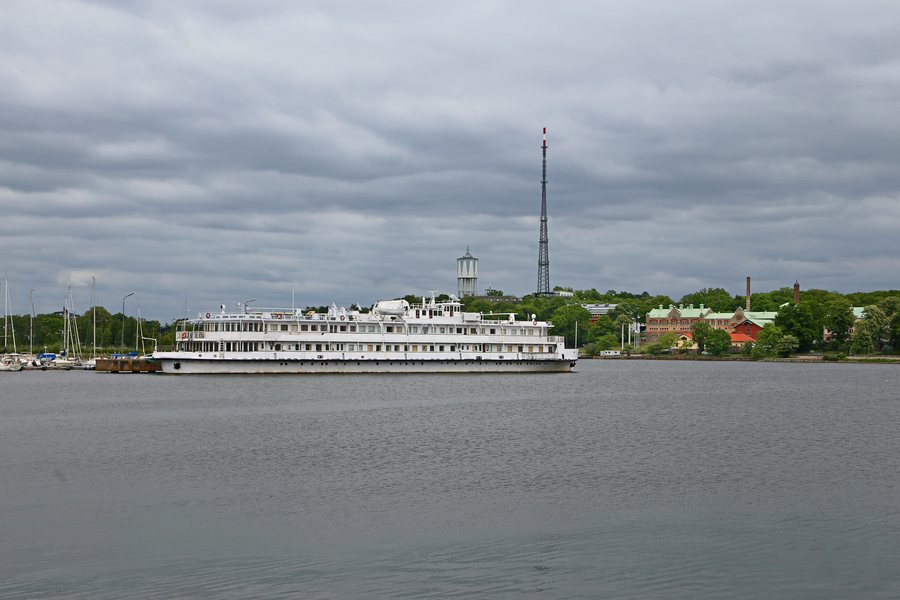 File:00 0981 Karlskrona (Schweden) - Hafen ( Karlskrona (Sweden) - the port).jpg
Photo: W. Bulach via Wikimedia Commons, CC BY-SA 4.0
File:00 0981 Karlskrona (Schweden) - Hafen ( Karlskrona (Sweden) - the port).jpg
Photo: W. Bulach via Wikimedia Commons, CC BY-SA 4.0
The Naval Port of Karlskrona is an outstanding example of a planned European naval city from the late 17th century.
Other places for regional context include Rödeby, Drottningskär, Fågelmara, Karlskrona, Kristianopel, Nävragöl, Torhamn, Tving, Ramdala, Holmsjö, Nättraby, Lyckeby, Jämjö, Ebbenäs, Sturkö and Hasslö.
History
Karlskrona was founded in 1680, when Charles XI had a new naval base built there. The original city plan and many buildings of the Naval Port of Karlskrona have remained intact. Karlskrona’s well-preserved architecture and city plan led to the city being granted World Heritage status in 1998. The Drottningskär Citadel on Aspö is part of the Naval Port of Karlskrona World Heritage Site.
Culture
Skärva Manor was built in 1785–86 as a summer residence for the shipyard admiral F. H. Chapman. This unusual architectural work from the 18th century combines local and vernacular building traditions with classical architecture.
The Naval Museum in Karlskrona is Sweden’s national museum for the history of Swedish naval defence from 1522 to the present day. It offers more than 20 exhibitions spanning the 16th century to the Cold War. In the Naval Museum’s Submarine Hall, visitors can enter the Neptune submarine from the Cold War era.
The Naval Museum is located on Stumholmen in central Karlskrona. It can be reached on foot from Karlskrona Travel Center in about 20 minutes. The Blekinge Museum in Karlskrona presents various exhibitions about Blekinge County.
During the summer season, Skärgårdskraft konst & hantverksförening on Tjurkö presents arts and crafts. The offerings also include a stone-carving exhibition, antiques and curiosities, furniture, Karlskrona porcelain, a café and ice cream.
Nature
Karlskrona Municipality encompasses a diverse natural mosaic of coastal islands and skerries, coastal meadows, juniper heaths, deciduous forests and, farther north, conifer-dominated forests. Karlskrona has 25 nature reserves with protected archipelago, agricultural, deciduous-forest and mixed-forest landscapes.
Skärva Nature Reserve includes species-rich broadleaved forests, beaches, meadows, pastures, groves and marshes. Torhamns udde has been protected as a nature reserve since 1977 and is also a Natura 2000 site.
Torhamns udde has a well-preserved, open cultural landscape with numerous archaeological remains and a long cultural history. The area is a popular destination for birdwatching, especially during spring and autumn migration. Torhamns udde has a bird station and an accessible birdwatching tower.
Karlskrona has 32 official bathing spots and hundreds of swimming coves.
Activities
The municipal exercise and walking trails in Karlskrona total 26 Swedish miles. Blekingeleden is the longest hiking trail offered by Karlskrona Municipality.
Tjurkö Kulturstig is a marked 1.5-kilometre hiking trail that passes historic and reconstructed buildings, the harbour and an old quarry.
Family
Wämöparken is a combined cultural, nature and amusement park in Karlskrona. At Wämöparken, visitors can walk along Vilsestigen and visit the park’s cultural buildings. Barnens Gård in Lyckeby offers animals, water play and large play areas for the whole family.
For the higher-level travel overview: Blekinge.
Check prices, availability and amenities for your travel dates directly on Booking.com.
View accommodation and offersAdvertisement · Affiliate link to Booking.com
_-_Hafen_(_Karlskrona_(Sweden)_-_the_port).jpg)