
Ertholmene: Island Nature and Fortress History
Accommodation in Ertholmene
Ertholmene combines a windswept rocky coastline with shady woods, gardens and diverse birdlife. Different landscapes lie close together on the inhabited islands; at the same time, towers and fortress history shape the place. When planning your trip, it is therefore worth considering both: the nature and the maritime past.
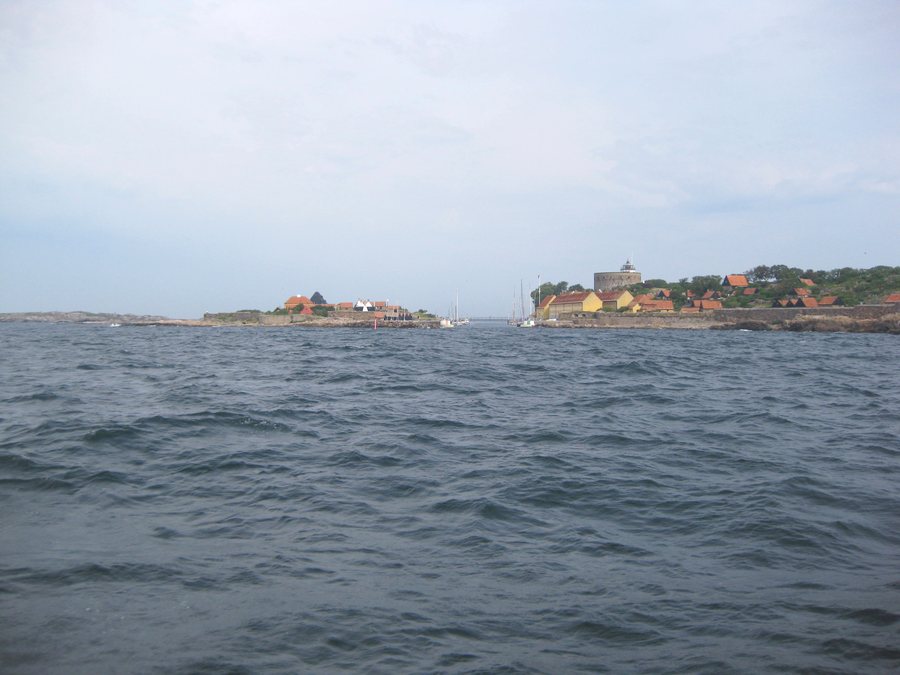 File:Bornholm - Christiansø og Frederiksø - vue.jpg
Photo: Hubertus via Wikimedia Commons, CC BY-SA 3.0
Ferry Access and Best Time to Visit
Christiansø can only be reached by the Christiansø ferry. It departs from Gudhjem harbour, and the crossing takes about an hour. During peak season, the Ertholm ferry runs up to three times daily; in winter, the Peter mail boat runs twice daily on weekdays. As seasonal service frequencies may change, check the current connections for your travel dates before setting out. If you are looking for a hotel on Ertholmene, factor the ferry times into your travel plans.
Rocky Coast, Woods and Gardens
Within a few hundred metres, windswept rocky coastline, shady woods and gardens alternate across Ertholmene. This contrast defines the character of the island group: open coast and sheltered, green areas lie close together. In 2020, the Danish Outdoor Council designated Christiansø an official nature reserve. In addition, the Danish Nature Canon included Ertholmene in 2018 as one of 15 places in the Kingdom. The Nature Canon is the official list of Denmark’s most beautiful places. Ertholmene is also a protected area for the Nordic honey bee.
Birdlife and Protected Nature
During the breeding season, thousands of eider ducks nest on the inhabited islands, even along busy streets. In spring and autumn, numerous migratory birds visit Ertholmene, including cranes and goldcrests. A total of 302 different bird species have been observed here; that number may grow with further observations. The ponds provide habitat for many amphibians, including toads, newts, the rare green toad and the pool frog.
Græsholm is home to one of Denmark’s largest seabird colonies and is closed to the public. The birds can be watched with binoculars from Frederiksø. Up to 400 grey seals were reported resting on Ertholmene in 2013; the island group is one of the largest haul-out sites for this species. Seasonal birdwatching and a time-specific view of the seals thus complement the enduring landscape of coast, woodland and garden.
Traces of the Naval Fortress
The natural harbour between Christiansø and Frederiksø was the reason King Christian V chose Ertholmene as the site of his naval fortress in 1684. Store Tårn on Christiansø and Lille Tårn on Frederiksø were originally built as central defensive structures; today, both house museums. Store Tårn incorporates a lighthouse dating from 1800. The tower was fully renovated from 2014 to 2018. The museum in Lille Tårn focuses on local military and cultural history in its exhibitions.
Palivaren at Juuls Bastion on Christiansø also connects the island’s history with a summer art exhibition: during the summer season, artists exhibit and sell their works there. Those particularly interested in the fortress history will find a clear historical focus in the two towers and the natural harbour. Those who would rather focus on nature can use the bird migration, breeding season and views of the colony from Frederiksø as a guide when planning their trip.

