
Gotland between coastal paths, nature and history
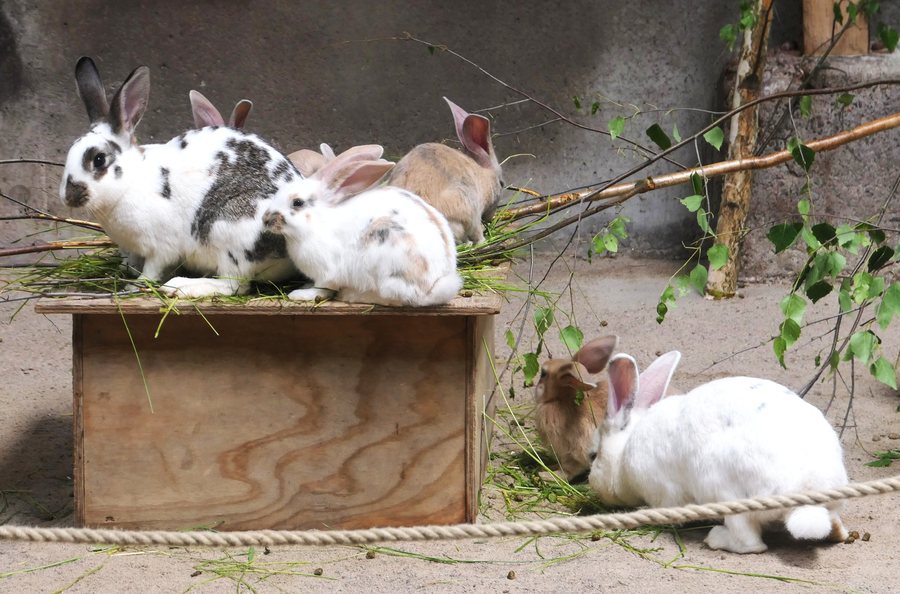 File:Gotland rabbit colour variation 01 Nordens Ark.jpg
Photo: Sinikka Halme via Wikimedia Commons, CC BY-SA 4.0
File:Gotland rabbit colour variation 01 Nordens Ark.jpg
Photo: Sinikka Halme via Wikimedia Commons, CC BY-SA 4.0
Gotland combines a varied hiking landscape with coastal paths, limestone cliffs, forests and agricultural land. The hiking trails marked according to the so-called Gotlandsstandard use a uniform marking system, indicate responsibility for their maintenance and have information boards at their starting points. For shorter routes, there are the Gotland promenades: these walking routes are between one and five kilometres long, not particularly hilly and suitable for a broad target group.
Nature
In the Högklint nature reserve, a hiking trail leads through a landscape with far-reaching views and interesting geology. The 480-hectare Langhammars nature reserve encompasses the more than 2.5-kilometre-long Langhammars peninsula as well as the alvar areas to the south. Above Klajvika, there are more than 50 rauks, some of which are over eight metres high.
Stora Karlsö consists of fossil coral reefs in Silurian limestone and has around 30 caves carved out by the sea. Sillguillemots and razorbills breed on the island in colonies of thousands of pairs each. Stora Karlsö also has rare plant species and orchid meadows that bloom in late May and early June. From the beginning of May to August or September, the island is regularly served by boat from Klintehamn.
Culture
The Norrbys i Väte cultural reserve preserves a typical medium-sized Gotland farm from the first half of the 20th century. Visitors can take part in a guided tour there; Norrbys i Väte also includes one of the few surviving watermills on Gotland.
Naturum Gotland is a visitor and information centre near the church in Vamlingbo. Its permanent exhibition covers the development of Gotland from its formation 400 million years ago to the present-day landscape. Visitors can learn more there about fossils, orchids and bats in Gotland’s natural environment.
In the heart of Visby lies Fornsalen, Gotland’s oldest cultural history museum. It presents finds from the Stone Age to the Middle Ages; the Spillingskatten, the largest known silver hoard from the Viking Age anywhere in the world, is also on display there.
Visby’s World Heritage area includes 13th-century city walls as well as more than 200 warehouses and homes belonging to wealthy merchants from the same period. Visby is a fortified trading town included in the UNESCO World Heritage List and is considered one of the best-preserved examples of its kind in Northern Europe.
Maritime experiences
The Skepp & Skoj exhibition allows children and adults to play together and learn about the importance of the sea to Gotland. Hands-on activities include tying knots, loading ships and petting seals.
Medieval Week on Gotland has been held since 1984. It is an eight-day historical festival that takes place on Gotland every summer. The programme includes performances, tournaments, lectures and culinary offerings, as well as craft courses and archery. Most activities take place in Visby, with others in the Gotland countryside.
Getting around
The ferry to Fårö operates year-round, takes around six minutes and is free of charge; there are more departures in summer. Gotlands Tofta is also part of Gotland.
Lummelundagrottan is a karst cave in 400-million-year-old Silurian limestone that is partially accessible to visitors. Guided tours explain its formation and discovery. There is a café and a nature trail for visitors at Lummelundagrottan.
To the higher-level travel overview: Gotland.
More about the destination
Relevant information for planning your trip:
Check prices, availability and amenities for your travel dates directly on Booking.com.
View accommodation and offersAdvertisement · Partner link to Booking.com
