
Gunnarp: Hallandsleden, the Ätran and local history
Accommodation in Gunnarp
Gunnarp has two distinct sides: Gunnarps kyrka on a hill near the Ätran, and Hallandsleden as a landscape of nature and trails. The church stands on Mårdaklevsvägen. Its elevated position marks a clear point in the townscape; the route draws attention to the terrain in the surrounding area. Anyone considering Gunnarp as a travel destination can take their bearings from both a specific building and the landscape and its trails.
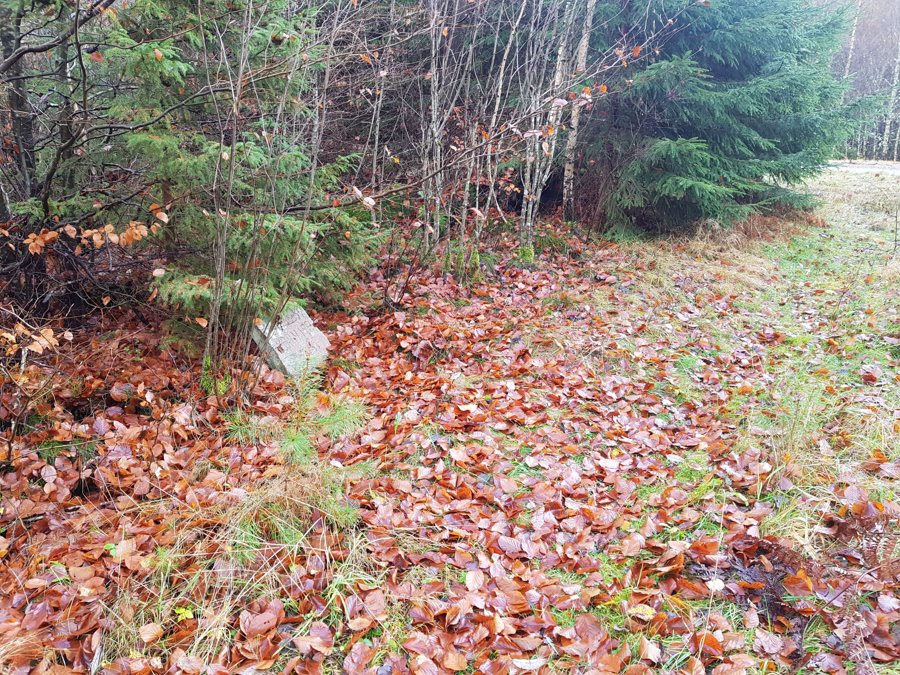
Hallandsleden: varied terrain
The Kvarnlyckan–Ätran section of Hallandsleden runs through hilly terrain between Kärnebygd and Gunnarp. After Gunnarp, the trail crosses flat, easily walkable terrain again. When assessing a stage, this change is more informative than a blanket label: “hilly” does not describe the flat continuation, and “flat and easily walkable” does not describe the stretch before it. If you are including Hallandsleden in your travel plans, you can first choose the section you want and then use the relevant terrain description as a guide.
Lakes, forest and the Ätran
In the wider region, Hallandsleden passes through an extensive lake system, areas shaped by glacial deposits from large meltwater rivers, and coniferous forest. The landscape opens up along the Ätran. The route therefore brings together several natural features: lakes, geological traces and forest shape the described route, while the landscape opens out by the river. The deposits also give the surroundings a geological dimension, pointing to the glacial formation of the landscape through which the trail runs. The section ends in the village of Ätran, where services are available.
Local history by the river
Local history is also tied to specific places. An account of an event at Gunnarps kyrka in 1692 tells of a public call to throw the stocks into the Ätran. The reported episode connects the church and the river with a local-history scene. For the history of transport, the 2025 Ekomuseum catalogue identifies the bridges at Gunnarp and Falkenberg as the only two crossings over the Ätran in Halland. This brings together different historical perspectives: an account of an event at the church and the role of river crossings in the region. The Ätran connects these themes, although the account of 1692 and the history of the bridges concern different things.
Art and ceramics at Station Gunnarp
Another point of interest is Station Gunnarp. A visitor description from 2015 mentions a studio and sales area there belonging to ceramic artist and sculptor Bettan Svartholm. This brings art into view alongside the landscape and local history. If you would like to visit the station, check in advance whether a visit is currently possible.
For planning your trip, the distinction between trails and history is useful: Hallandsleden helps you choose between a hilly stretch and a flat, easily walkable continuation. The church, the account and the history of the bridges, by contrast, draw attention to the historical perspective along the Ätran. When looking for accommodation in Gunnarp, this distinction can help you decide what kind of outing you want to shape your stay.
For the broader travel overview: Ätran.

