
Slättåkra: Beech Forest, Trails and Accommodation
Accommodation in Slättåkra
Slättåkra in Halland offers a practical starting point for trails through beech forest, an older cultural landscape and local history. A section of the Hallandsleden passes through the village and the Almeberget Nature Reserve. In Slättåkra itself, the church and Slättåkragården are established landmarks. If you are looking for a hotel, holiday apartment or holiday home, first decide whether hiking, nature watching or the history of the village will shape your stay. These local features do not establish that any accommodation is on the coast or by a beach.
The Hallandsleden and the forests around Slättåkra
Old beech forest grows on the slopes of the Almeberget Nature Reserve; the oldest trees are just over 200 years old. Twenty-one Red List lichen species have been found there. The Hallandsleden runs through the reserve. This connects a named long-distance trail with a specifically described natural area, but does not indicate the difficulty or duration of your own stage. So check the current trail route and choose your accommodation based on the section you actually plan to hike.
Frodeparken is in the wider area around Slättåkra. It, too, has old, tall beech forest; around 30 rare organisms are reported in the area, including Hericium coralloides, Neoboletus luridiformis and the moss Fissidens adianthoides. The Kungsrör burial mound is described as the grave of King Frode on the relevant Hallandsleden stage. This attribution is a tradition associated with the route, not evidence of who was actually buried there.
Rocky terrain, views and traces of the past
Stövlaberget is a nature reserve with steep rock faces and gnarled oaks. From the summit, there is a view across the Slissån valley. On the eastern slope there is also an Iron Age burial ground with stone formations, including triangles and stone circles. Visitors interested in both landscapes and prehistory can treat these features as distinct themes for an outing. However, the description does not establish that there is a signposted route to each individual archaeological site.
Near Alstorp and Slättåkragården are remains of a larger burial ground from the Iron Age and Viking Age. On Riddarholmen, remains of a modest medieval castle have been preserved in a wetland by the Suseån. Both references add to the historical picture of the region; they should not be understood as structures at the same location. If you are planning a trip to several sites, it is worth checking their locations separately in advance.
The church and village life
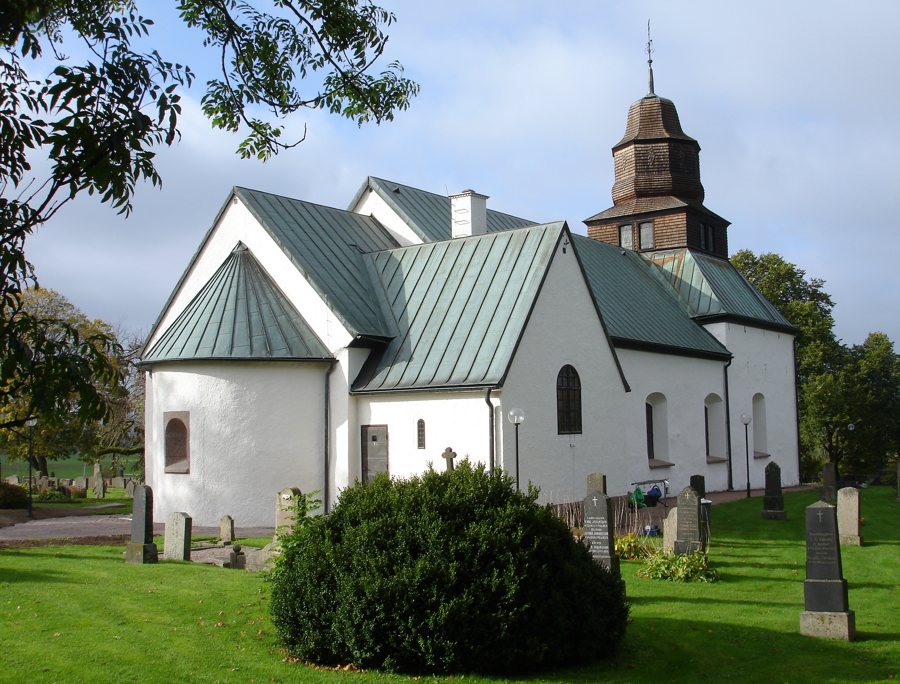
Slättåkra kyrka is centrally located in the village. Its main masonry walls come from a Romanesque stone church, which was later extended in several stages. Slättåkragården has served as an important village meeting place since 1936 and is one of Halland’s larger community halls. According to the local association, it is often a starting point for activities; several rooms can be rented for events and celebrations. This describes the community hall, not accommodation.
The main page about Halmstad helps put the area in context. For Slättåkra, the documented features are chiefly its trails, beech forest and named historical sites. Compare the address and terms of a specific accommodation with your planned starting points; the local facts do not support general claims about sea access, hotel quality or availability.

