
Discover Kata: Nature and Village History
Accommodation in Kata
A trip to Kata can focus on a range of interests: the history of Kata küla and nature experiences in the surrounding area, including the Tuhala Karst area. Local cultural heritage, trails, and natural features around Tuhala give your trip planning specific points of interest.
Village History in Kata küla
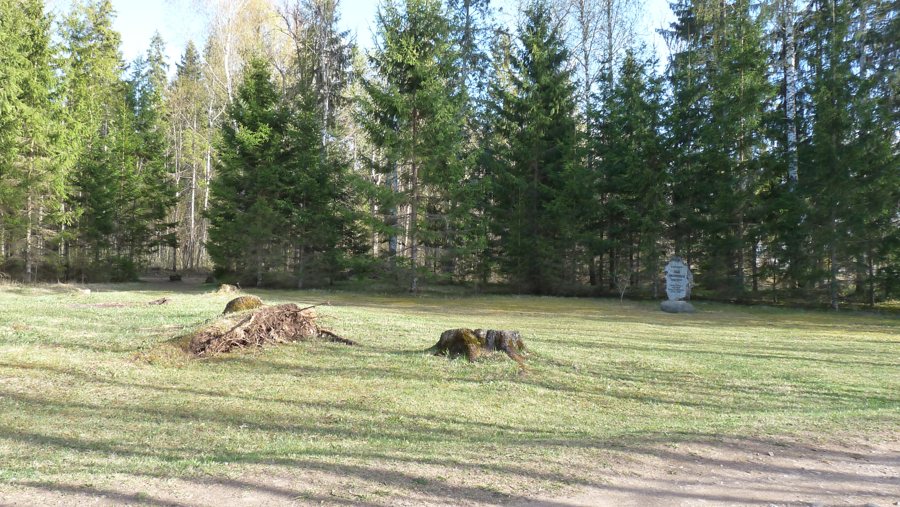
The Kataveski hiiekadakas in Kata küla is over 300 years old and surrounded by a stone enclosure. The tree combines great age with a clearly visible local landmark. Also in Kata küla, Kose vald, stands Tuhala Kaarli kirik: it was built on the orders of Count Karl von Mellin between 1775 and 1777. The tree and the church offer different connections to the past. The juniper’s defining feature is its age, while the church’s builder and construction dates are documented. If you are interested in the history of the area, these two sites offer different points of connection.
Tuhala Karst and Nõiakaev
Near Kata, the 26-kilometre-long Tuhala River flows through the karst area. Six kilometres of its course run through three underground branches. This gives the landscape a clear measure: part of the river flows underground, divided among several branches. The Tuhala Nõiakaev is also in the Tuhala Karst area, in the Nabala-Tuhala nature reserve, where it is a periodically rising spring fed by an underground river. It can overflow and “boil” at a rate of 100 litres per second. Overflowing is a possible natural event, not a reliably scheduled visitor experience. Nõiakaev was voted a Wonder of Estonia in 2012, so alongside its unusual natural features, it also has cultural recognition.
Hiking in the Tuhala Area
A 2.5-kilometre hiking trail runs through the Tuhala Karst area and is also suitable for family hikes. Its length and suitability give you two specific points to consider when planning a hike as part of your trip. The Tuhala hiking trail starts at the car park near Tuhala Nõiakaev. As trail use is subject to local conditions, it is advisable to check the situation before setting out.
Guided hikes to Tuhala Nõiakaev and through the karst area are available year-round in Kata küla, Kose vald. Groups must arrange their visit in advance with the nature guide. If a guided tour fits your travel plans, confirm the date beforehand; availability and arrangements may change. This lets you choose between hiking independently and taking a guided tour, without assuming that both require the same planning.
Nature and History in Your Travel Plans
Which activities you choose depends on what you would like to experience during your stay: Kata küla offers historical points of interest in the form of its juniper and church, while the trails and Nõiakaev draw attention to the Tuhala Karst area. For nature-focused plans, the trail length, its suitability for family hikes, and the guided tours on offer provide practical guidance. If you are particularly interested in the spring, bear in mind that it rises periodically and can overflow. The historical sites in Kata küla offer a different focus: the church’s construction dates are known, while the Kataveski hiiekadakas is over 300 years old. This lets you weigh nature experiences and local history as different reasons for your trip to Kata.
For the broader travel overview: Kose.

