
Keibu between Singing Sand and Nature
Accommodation in Keibu
Keibu brings together the Baltic Sea coast, a sandy beach, and protected nature in a distinctive destination. Keibu Bay is home to a clean sandy beach with singing sand; dunes and forest extend the coastal setting into a natural landscape. So when choosing a Baltic Sea destination, it is not only a question of time at the beach. The area’s protected status may also draw attention to the destination. If you want to weigh up both interests, Keibu offers two specific points of reference: the bay and the Keibu Special Conservation Zone.
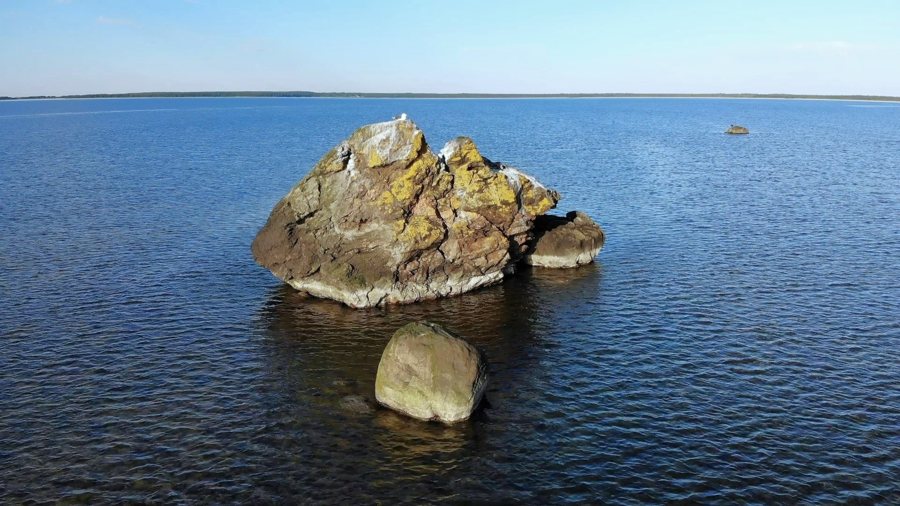 File:Neugrund breccia rock in Keibu bay, Estonia.jpg
Photo: ErikAbner via Wikimedia Commons, CC-BY-4.0
Sandy Beach at Keibu Bay
Alongside its clean sandy shore, the beach at Keibu Bay has a striking feature: singing sand. For those choosing a Baltic Sea destination, the bay offers both a specific beach setting and a distinctive feature that goes beyond the general description “sandy beach.” If you are mainly looking for time on the coast, you can use this feature to assess Keibu. If you are taking a broader view of where to go, you can consider the beach together with the protected landscape of dunes and forest.
Protected Area and Landscape
The village of Keibu is located in the Nõva Nature Reserve. Within the Keibu Special Conservation Zone, the previously unprotected part of the Keibu dune field was placed under protection. The part of the dune field and forest within the zone forms a single unit with the area that was already protected. The protected landscape around Keibu therefore encompasses several features: a section of the dune field, the forest there, and its connection to the area that was already protected. For nature enthusiasts, this offers a broader perspective than the individual beach at the bay, bringing the landscape as a connected protected area to the fore.
The Keibu Special Conservation Zone covers 414 ha, and its northern boundary is the coastline. This geographical context complements the village’s location in the Nõva Nature Reserve, but refers to a different scale: the Keibu zone, with its own area and boundary. Its location on the coastline establishes the coastal connection, while the figure of 414 ha indicates its extent. This allows you to distinguish between the village of Keibu, the Nõva Nature Reserve, and the Keibu Special Conservation Zone when planning your trip.
Campsites and Trip Planning
Camping plans also have a specific point of reference. Up to six four-person tents are permitted at Keibu campfire site I. The maximum number of tents and their size go together, providing a clear limit for this overnight option. Keibu campfire site II is a further 600 m away by car. When choosing between the two destinations, different considerations come to the fore: the permitted number and size of tents at the first, and the additional drive to the second.
A useful comparison for choosing a location is that the bay is the specific reference point for the sandy beach, while the 414 ha zone brings a broader landscape into the picture. If you are looking for a hotel, weighing up these considerations can help you assess Keibu as a coastal destination based on your travel interests. Beach and nature are two different reasons to shortlist the same destination.
Discover more destinations: Audevälja.
For the broader travel overview: Padise.

