
Kalmar: Trails, Wetlands and Cultural History
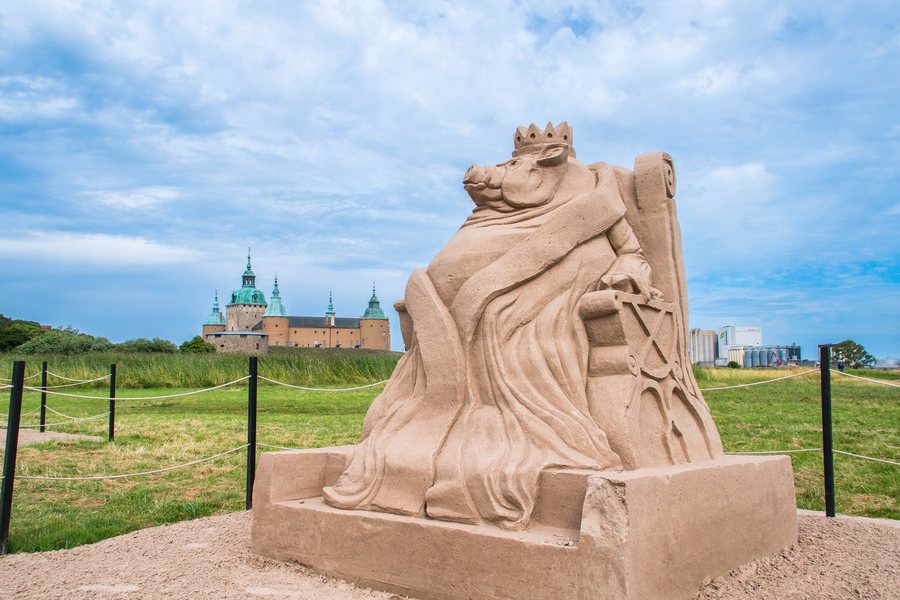 File:Kalmar, Sweden - Sand sculpture (52360627413).jpg
Photo: Maria Eklind via Wikimedia Commons, CC BY-SA 2.0
File:Kalmar, Sweden - Sand sculpture (52360627413).jpg
Photo: Maria Eklind via Wikimedia Commons, CC BY-SA 2.0
The Kalmarsundsleden is an easily accessible hiking and cycling route with a total length of more than 120 kilometres. It runs from the municipal boundary north of Slakmöre in Kalmar Municipality to Bröms in the south of Torsås Municipality. The route also passes through the city of Kalmar; along the Kalmarsundsleden, there are wind shelters and opportunities to make a fire at several locations.
Nature
At the Kalmar Dämme wetland, you can go for walks, observe birds and experience a wetland landscape. The area provides habitats for numerous plant and animal species. The Hagbynäs wetland is part of Skärgårdsparken and supports water quality, birdlife and biodiversity.
Linnéslingan is a nature and cultural loop between Linnaeus University and Stensö udde, passing through varied landscapes. Hälsoslingan consists of walking loops of different lengths through nature, coastal environments and green spaces near the hospital in Kalmar.
In the wider regional area, the Smedby wetland offers opportunities for recreation, nature experiences and learning about the importance of wetlands. Also in the wider regional area, the 30-kilometre Östra Sigfridsleden pilgrimage route runs from the coastal landscape of Södermöre to the wooded areas west of Kalmar.
In the wider regional area, Ljungbyåns vandringsled is about 15 kilometres from Kalmar and is 8.5 kilometres each way; there are also shorter circular trails.
Culture
At Kalmar konstmuseum, the exhibition about the warship Kronan displays finds from 40 years of marine archaeological excavations as well as two hoards of gold coins. Kalmar konstmuseum presents exhibitions by Swedish and international artists and showcases contemporary art alongside works from its own collection. For children aged 4 to 12 who are interested in art, Konstlabbet at Kalmar konstmuseum offers open creative activities.
History
At Kalmar Slott, you can take part in guided tours; the castle is open year-round, although opening hours vary throughout the year. Kalmar Cathedral was completed in 1703 and is a very well-preserved monument from Sweden's Age of Greatness. Large sections of the city wall built around Kvarnholmen in the 17th century have survived to this day.
The Iron Age burial grounds in Kalmar can be explored on foot, by bicycle or while jogging. Information boards about the Iron Age archaeological sites can be found at Tjuvbackarna, Brukshagen and the eastern burial ground in Djurängshagen. In summer, historical walking tours of the city are offered, starting from Kalmar Turistcenter.
The Parkpromenaden route takes approximately one and a half hours and leads, among other places, through Stadsparken, to Krusenstiernska gården and to Lycksalighetens ö. Gamla kyrkogården is Kalmar's oldest surviving cemetery and was established in the first half of the 13th century.
Geographical Location
Stensö is a peninsula in the south of Kalmar. The island of Horsö and the Värsnäs peninsula together form a nature reserve in the north of Kalmar.
Other places in the destination area include Hagby, Ekenäs, Ljungbyholm, Påryd, Vassmolösa, Alby, Åstad, Karlevi, Runsbäck, Kalmar, Broakulla, Rockneby, Trekanten, Halltorp, Storafro and Föra.
Kalmar can be reached by bus, train or plane.
Check prices, availability and amenities for your travel dates directly with Booking.com.
View accommodation and offersAdvertisement · Affiliate link to Booking.comBack to the higher-level travel overview: Kalmar.

.jpg)