
Emumäe: Nature, Hiking Trails and Cultural Heritage
Accommodation in Emumäe
Emumäe is a village in the landscape protection area of the same name. The place is best understood through three interconnected themes: landforms, mixed forests, and archaeological and historical heritage. Emumägi provides a geographical focal point for exploring nature; hiking trails and the rules on cycling and foraging offer practical guidance for days outdoors. If you are planning a trip to Emumäe and looking for a hotel, you can consider whether hiking, landscapes or cultural sites should be your main focus.
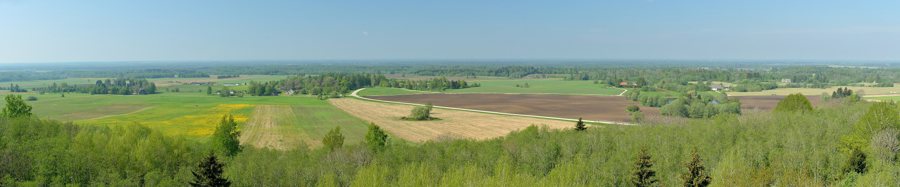
Landscape and Emumägi
Emumägi is 166.5 m above sea level and is the highest peak in the Pandivere Upland and Northern Estonia. This places the hill in a broader geographical context. At the same time, it is part of the Emumäe Landscape Protection Area, which protects, among other things, geomorphological features such as Emumägi. The village of Emumäe is also within this protected area: the place name and the natural landscape are closely linked here.
The protected area also includes forest communities. Mixed forests predominate, with ash, maple, lime and oak trees. Thus, landforms and woodland are both central to the area’s protection. In the southern part of the area, more than 7 ha are recorded as a habitat for mustlaik-apollo. This specific detail adds a geographically defined habitat to the picture of the tree species, without reducing the entire natural area to a single feature.
Hiking trails, cycling and foraging
There are two hiking trails in Emumäe Landscape Park. One of the trails is listed as 3 km long; this information dates from June 2022. Before setting out, check the current trail markers and maintenance conditions. The stated length offers a guide for planning, while the on-site markers are relevant to the particular route.
Cycling is allowed on the trails in the landscape protection area. Berries and mushrooms may be gathered throughout the area. This means that you can focus on different activities during the day: a hike follows one of the two trails, while cycling is permitted on the trails in the protected area, and foraging is not restricted to a particular section. This information can help you choose activities that suit your travel plans.
Archaeological and historical sites
Cultural heritage also has a tangible presence in the landscape protection area. Kultusekivi is a protected archaeological monument within the area. Kerikuauk is an archaeological sacrificial site in the village of Emumäe. The two names represent different archaeological connections: Kultusekivi is protected as a monument, while Kerikuauk is described as a sacrificial site.
Another story links Emumägi with the Mursi Cemetery on its eastern slope. The cemetery is designated as a cultural heritage site in the landscape protection area and serves as the burial place of the Murs family. The first person buried there was manor owner Karl Murs, in 1935. This makes it possible to understand the cultural heritage through specific places and a historical figure, while Emumägi provides the geographical setting.
This gives you a clear distinction between the different focuses to consider when planning your trip: among the verified features of Emumäe are connections to both nature and hiking, as well as archaeological and historical themes. Those who want to focus on the landscape can look to Emumägi, mixed forests and hiking trails; those interested in local history will find several named points of interest in Kultusekivi, Kerikuauk and the Mursi Cemetery.
For the broader travel overview: Rakke.

