
Harlev: River Paths, History and Accommodation
Accommodation in Harlev
Harlev in Aarhus Municipality is of interest to travelers who want to combine a location in the Aarhus River Valley with paths along the river and visible traces of its history. The town sits on a small plateau; several described routes pass by the Aarhus River and lead to named areas in the surrounding countryside. The church, vicarage and mill site provide further specific points of reference for the town’s history. Choose a hotel, holiday apartment or holiday home based on your actual travel plans and the individual listing, without assuming from these local features that rooms are available.
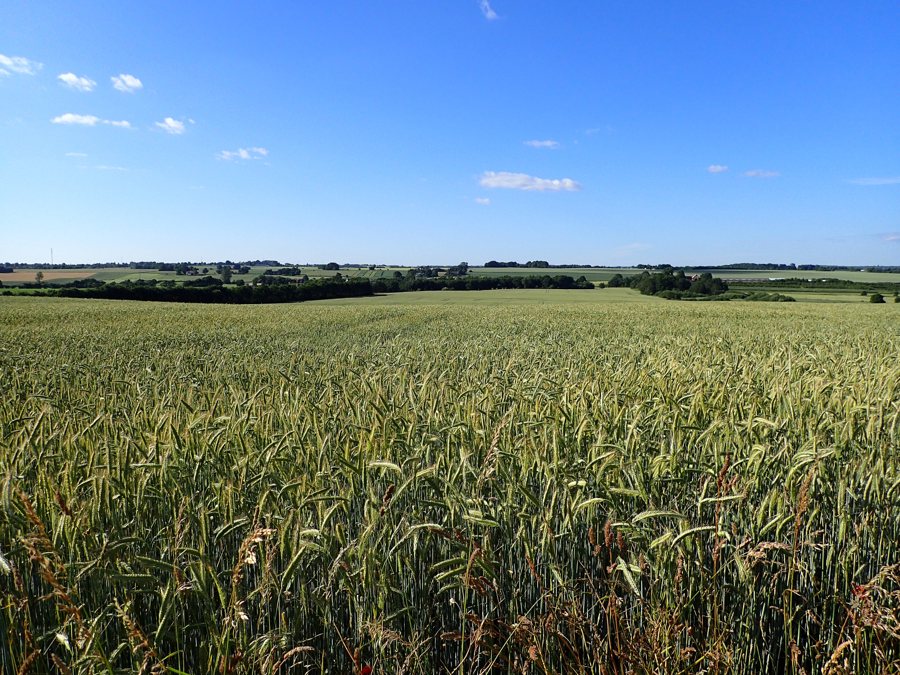
Routes between Harlev and the river
According to the official route description, the Lillering route starts and ends at the parking area by the facilities on Rødlundvej in Harlev. This clearly identifies the starting point, but does not guarantee that the path is suitable for everyone or that parking is currently available. Another hiking trail follows the old church path from Gl. Harlev through Harlev to Harlevholm, crossing the Aarhus River along the way. The two routes describe different trails, so do not choose based on the shared place name alone.
In the direction of Fusvadbro, one section of the route runs close alongside the Aarhus River for around 1,100 meters. A preserved section of the former Hammel–Aarhus railway between Harlev and Lillering Skov now serves the local community as an access route to the forest. This indicates a current path on a former railway line, not train service. If you are looking for accommodation for hiking, check the exact location in relation to your chosen starting point and the current route.
Church, vicarage and mill site
The chancel and nave of Harlev Church were built in the Romanesque period, approximately between 1050 and 1275. The neighboring historic setting includes Harlev Vicarage: its main building dates from 1732. The listed wings from the 18th century reflect the status of the vicarage at the time. The building complex encloses a large courtyard paved with fieldstones. These descriptions explain the historical relationship between the church and the vicarage; they do not guarantee that visitors can go inside the buildings.
Harlev Mill is another local landmark by the river. Its site is where the Aarhus River flows beneath Harlev Møllevej. The mill was first mentioned in writing in 1340. Well-preserved buildings from the 18th century still stand at the site. These details deliberately distinguish the historic mill site from the surviving buildings; they do not establish that the mill is currently operating or that visitors have access.
Plan your stay around what matters to you
For a stay focused on outdoor activities, the location in relation to the start of the Lillering route or the old church path is a natural question to ask about a specific accommodation listing. If you are more interested in understanding the town’s historical development, you can consider the church, vicarage and mill site as separate subjects. None of these descriptions provides a general recommendation for a particular hotel or holiday home location; compare the address and conditions of each listing with your plans.
The overview page for Aarhus Municipality places Harlev in its regional context. The documented local highlights here are river routes and historic buildings. If you also want to visit a coastal destination on the same trip, plan its location and journey separately; the description of Harlev provides no distance or beach information. Check your travel dates, the actual accommodation and current path conditions before booking.

