
Pulli and its prehistoric settlement history
Accommodation in Pulli
In the village of Pulli lies an archaeological settlement site whose history stretches back many millennia. The first settlers came here 10,000 to 11,000 years ago. The early settlement is the defining starting point for a trip to Pulli; in Sindi and the territory of Tori Municipality, other, quite different themes come into focus.
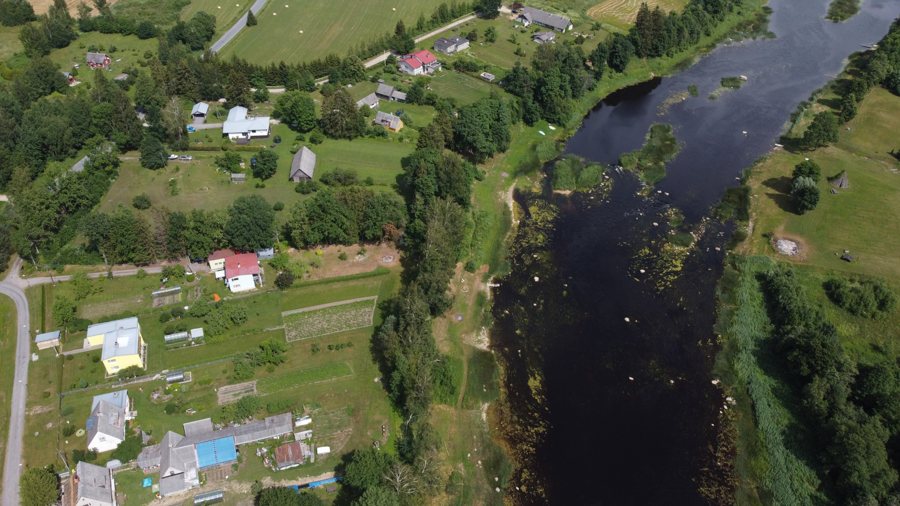 File:Vaade Pulli asula kohal asuvale külale 2021. aasta suvel.jpg
Photo: Sillerkiil via Wikimedia Commons, CC-BY-SA-4.0
Prehistoric settlement and its interpretation
The site was probably used as a seasonal camp around 9000–8550 BC. The cautious wording matters: it describes a probable type of use, not a definitive statement about every individual use. The date given for the arrival of the first settlers and the interpretation of the site as a seasonal camp answer different questions—when people came to Pulli and how the site was probably used.
The development of the landscape is also part of the area's history. Over the centuries, the archaeological settlement site was buried beneath layers of sediment several metres thick. An exhibition about Pulli's prehistoric settlement opened in autumn 2022. It explores the same early chapter and adds a dedicated exhibition focus to the story of the site.
Industrial history in Sindi
In nearby Sindi, the focus shifts from the Stone Age to industrial and urban history. The main exhibition at the Sindi Museum covers the textile industry and the factory, the lives and times of factory workers, and the history of the town of Sindi and Sindi School. This places working life, industry and education alongside Pulli's much earlier settlement history.
The museum is housed in a small building where Estonia's first cooperative, the Sindi Kalev Factory Association, was founded on 17 November 1902. This dated event gives the industrial history a concrete link to the building, without limiting the museum's themes to the story of the association's founding.
River history and activities in the territory of Tori Municipality
Nearby Sindi Rapids represent a more recent chapter in the river's history: they were created in 2020 at the site of a former dam. After the dam was demolished, fish spawning grounds were created and the Pärnu River was opened to fish migration. In Sindi, the history of the factory town thus meets an intervention in the river aimed at supporting fish migration and spawning grounds.
In the territory of Tori Municipality, Tori Horse Breeding Farm offers guided tours and horse rides. Some activities require advance booking. Canoe trips on the Pärnu river system are also available in the municipality. The routes follow the Lemmjõgi, Raudna, Halliste, Navesti and Pärnu rivers; along the way, you can enjoy views of the banks of Soomaa and Tori põrgu. Routes and availability may change, so check the latest information before planning a trip.
Choose a focus for your trip
These places can help you decide what to focus on: Pulli is known for its archaeological settlement site, Sindi for its industrial and urban history and nearby rapids, while the territory of Tori Municipality offers horse riding and canoe trips. If you are looking for a hotel, you can first decide which of these aspects you want to shape your trip.
Discover more destinations: Eametsa, Vainu, Sauga
Back to the main travel guide: Sauga.

