
Katy Rybackie: Nature and Maritime History
Accommodation in Katy Rybackie
The harbour, the Vistula Lagoon and a nature reserve shape the different sides of Katy Rybackie. The village combines the world of fishing and boatbuilding with protected birdlife. Those interested in maritime history will find different points of interest here from travellers who want to focus primarily on the nature reserve and its cormorants and grey herons.
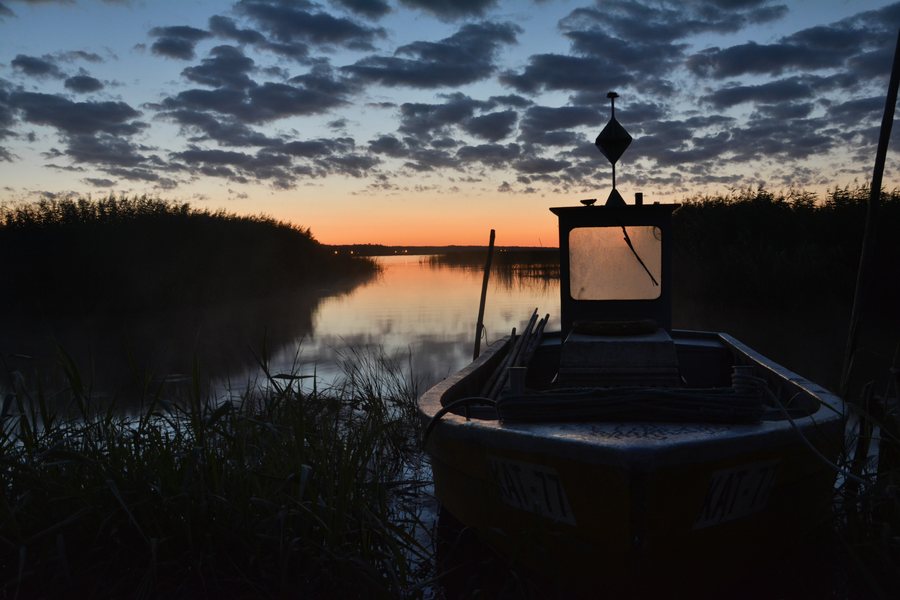 File:Katy Rybackie - Stary port rybacki nad Zalewem Wislanym - wschod slonca.jpg
Photo: Marcin Zajączkowski via Wikimedia Commons, CC BY-SA 3.0
Birdlife and nature trail
The Kąty Rybackie nature reserve protects cormorants and grey herons. It is now home to Poland’s largest cormorant colony and is also one of Europe’s larger cormorant colonies. The colony gives the natural area a distinctive character. For nature enthusiasts, birdlife is the main focus, though it is not the only way to experience the village.
A five-kilometre nature trail dedicated to the local nature reserve begins at the Leśnictwo Kąty forest district office. The trail and information about the cormorant colony highlight different aspects: one offers a route through an area dedicated to the reserve, while the other focuses on the area’s importance as a habitat for birds.
Fishing and boatbuilding at the museum
The Muzeum Zalewu Wiślanego is located right next to the harbour in Kąty Rybackie. It collects artefacts documenting the history of fishing and boatbuilding on the Vistula Lagoon. The museum displays sailing boats of the “barkas” type, smaller boats of the “żakówki” type and historic fishing gear from the turn of the 19th and 20th centuries. Together, these objects offer insight into different aspects of maritime work: boats are displayed alongside the equipment used for fishing.
The museum also serves as an educational centre and offers events and temporary exhibitions on the history of fishing, boatbuilding and rope-making. These topics add further aspects of craftsmanship and regional working life to the collection. Visitors can thus place the boats and fishing gear on display in the broader context of the activities covered by the museum.
Harbour and livelihoods
Kąty Rybackie has a harbour and a fishing harbour, or fishing facility. The harbour is also the starting point for a traditional boat trip: a 45-minute trip aboard the “Krystyna” went from there onto the Vistula Lagoon. The time given applies to this trip; it does not describe a walking route or nature trail. For a maritime perspective on the village, the harbour, museum and connection to the lagoon offer different points of interest.
Traditional livelihoods in Kąty Rybackie include fishing, gathering forest fruits, amber fishing and tourism. The village’s history therefore cannot be reduced to the harbour alone. A feature of the fishermen’s houses is also part of this picture: the windows of the largest room faced the Vistula Lagoon. This shows how the houses were specifically oriented towards the lagoon, without equating the different livelihoods.
Getting oriented locally
The Muzeum Zalewu Wiślanego is 140 metres, or about a two-minute walk, from the Kąty Rybackie–Port bus station. This gives a brief indication of the distance between the bus station and the museum; it says nothing about other routes or destinations. Those choosing Katy Rybackie can weigh up their interests: the cormorant colony and five-kilometre nature trail focus attention on the nature reserve, while the museum and harbour foreground fishing, boats and the history of the Vistula Lagoon.
For the broader travel overview: Kobyla Kępa.

