
Rīga: UNESCO World Heritage, Art Nouveau and the Daugava
Rīga preserves evidence in its historic centre of European influence on the city’s historical development. This historic centre has been recognised as a UNESCO World Heritage Site since 1997.
History, architecture and cityscape
Rīga’s Old Town began to develop in the early 13th century around a trading port that was connected to important Hanseatic cities. In the Art Nouveau district, elaborately decorated façades from the early 20th century line entire streets. Rīga’s Art Nouveau architecture is concentrated in the so-called Quiet Centre, about a ten-minute walk from the Old Town.
Rīga’s regional divisions also include the subregions Riga, Mārupe and Baldone.
Culture and museums in Rīga
The Latvian National Museum of Art building was specifically designed to house art between 1903 and 1905. Its permanent exhibition includes Latvian art from the 19th and 20th centuries. The museum also houses the largest collection of works of art created in Latvia.
The Museum of the History of Riga and Navigation was founded in 1773 and is located in the historic ensemble of Riga Dome Cathedral. Its exhibits include a 13th-century ship known as the “Riga ship”.
The Latvian National Opera and Ballet has been operating on Aspazijas Boulevard since 1923. In a season, it presents more than 200 performances in total.
Market
Riga Central Market is located in former Zeppelin hangars that were converted into market pavilions. The five pavilions offer Latvian specialities such as smoked fish and rye bread. The Riga Central Market area is an integral part of Rīga’s Old Town, which is a UNESCO World Heritage Site.
Nature, routes and gardens
Riga Zoo is the oldest zoo in the Baltics. Bastejkalns Park offers narrow paths, a rock garden, a water cascade and views of the city.
The Daugava Promenade on the right bank of the Daugava stretches from the Old Town to the Ķengarags district of Rīga. Rīga features seasonal displays of azaleas, magnolias, rhododendrons, roses, peonies and dahlias: azaleas bloom from February to April, magnolias in spring, rhododendrons at the beginning of summer, roses and peonies in midsummer, and dahlias in autumn.
Activities on the water and along the routes
Riga by Canal offers boat trips along the City Canal and on the Daugava. A seven-kilometre cycle path connects Rīga city centre with Mežaparks and runs through a lush pine forest.
There are several options for renting SUP boards, rowing boats or kayaks in Rīga. In winter, Uzvaras Park is transformed into a cross-country ski trail.
Getting around Rīga
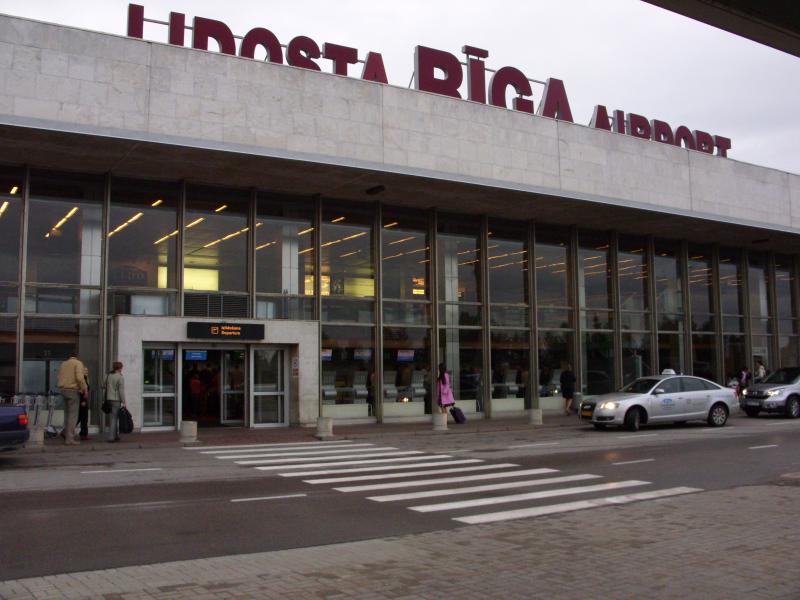
Bus No. 22 takes about 40 minutes from Rīga Airport to the city centre. The main forms of public transport in Rīga are trams, trolleybuses and buses. Rīga’s Old Town is about a five-minute walk from Riga Central Station.
More about the destination
Relevant information for planning your trip:
Check prices, availability and facilities for your travel dates directly on Booking.com.
View accommodation and dealsAdvertisement · Affiliate link to Booking.comMore destinations
More places within the same destination:
