
Höganäs: Ceramics, Coastal Trails and Industrial History
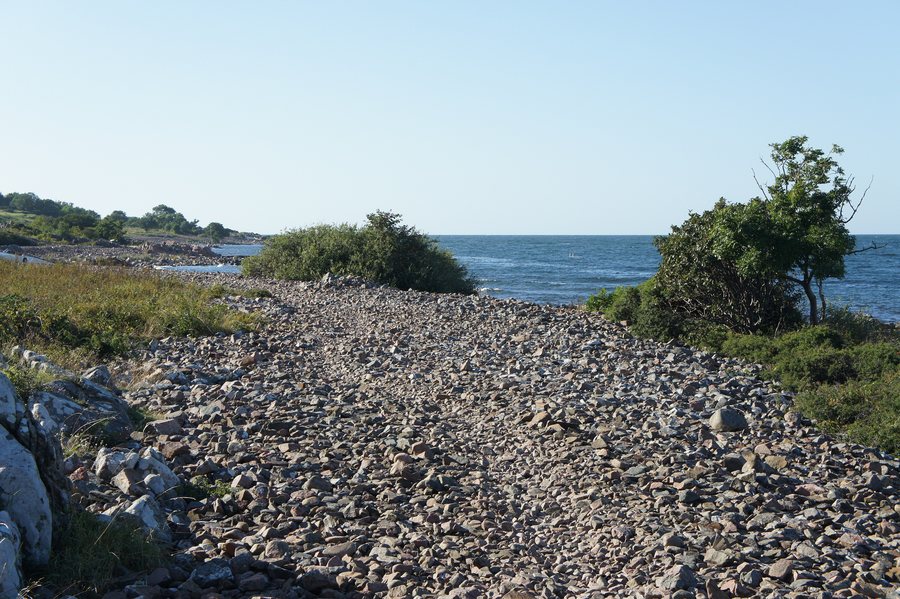
Kullaleden is a hiking trail approximately 70 kilometres long and forms part of the Skåneleden section SL 5 around the Kullahalvön peninsula; it runs from Helsingborg via Höganäs, Kullaberg and Arild to Utvälinge.
History and Ceramics
The name Höganäs, formerly Höjeness, is documented in sources dating back to the 15th century. Coal mining began in Höganäs at the end of the 17th century. Around 1830, the production of lead-glazed household items made of ceramics began here. Höganäs Museum preserves and presents the history, culture and industrial heritage of the Kullahalvön. It also collects, preserves and displays objects relating to industry, folk life, crafts, and artistic and other cultural activities on the Kullahalvön.
KKAM Ateljé offers ceramic courses of various types and levels, introductory courses, term-long and intensive courses, activities for children and schools, as well as workshops. KKAM Ateljé can be booked for workshop activities for companies, groups of friends and hen parties.
Trails and Nature
Trädslingan begins at Höganäs Town Hall and is approximately 7 kilometres long. The section of Kattegattleden between Helsingborg and Höganäs measures 22 kilometres and consists of 96 percent paved surface and 4 percent gravel. Heading towards Höganäs, the route leads to Kvickbadet beach south of Höganäs harbour.
In the Höganäs settlement, there are areas of nature close to the built-up areas with numerous rare plants and insects. In the nearby Kullaberg nature reserve, marked trails lead from the lighthouse at the tip of the peninsula towards Arild or Mölle. At the nearby Naturum Kullaberg, there is an exhibition with seawater aquariums, as well as information from knowledgeable nature guides. The area around Höganäs' historic slag heaps has developed into a popular local recreational area with a rich variety of birdlife.
Historic Places and Culture
In the Höganäs nedre area near Sundstorget, historic street layouts, property structures and parts of the buildings have been preserved. At Gruvtorget in Höganäs Övre, an open square within a grid plan and the central buildings of the former works grouped around it define the historic setting.
Tivolihuset was built in 1899 on Tivolibunken. The two-storey building has richly decorated façades and faces Tivolivången. Originally, it housed a theatre auditorium, a library, a restaurant, municipal administration offices and a caretaker's flat. The Tivolibunken slag heap is located by the old Brorsbacke shaft. Keramiskt center can be visited in Höganäs.
Biograf Saga is considered one of Sweden's oldest cinemas and is located in the former Hotel Schweiz, which was built in 1883. Films are still shown at the old Biograf Saga.
Cultural Centre and Local Addresses
Kulturhus Höganäs includes a library, an exhibition hall, a stage, a café and conference rooms. KKAM's Novembersalong is an annual juried and curated exhibition featuring painting, ceramics, textiles, drawings, photography, graphic art and other forms of artistic expression.
Other local pages in the destination area include Farhult, Lerberget, Viken, Jonstorp and Nyhamnsläge.
Höganäs Bryggeri in Salthallarna offers tours of the production facilities and beer tastings. Kakboden is a traditional pastry shop in central Höganäs with its own bakery; it offers freshly baked rolls, cakes, pastries and filled sandwiches. Ciabatta Coffee House is located on Höganäs' main street, overlooking the square in front of the church, and offers lunch, coffee and a quiet place to sit.
For the higher-level travel overview: Skåne.
Check prices, availability and amenities for your travel dates directly at Booking.com.
View accommodation and offersAdvertisement · Affiliate link to Booking.com
