
Svedala between Nature, Culture and History
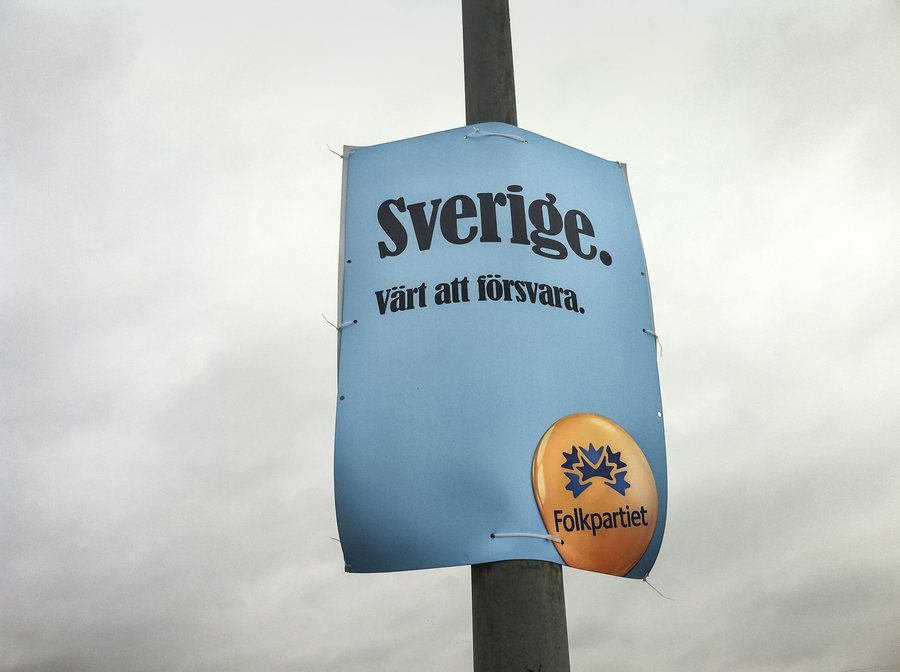 File:Valaffisch Folkpartiet Svedala 2014sep13 0011 (15039189869).jpg
Photo: Johan Wessman / News Oresund via Wikimedia Commons, CC BY 2.0
File:Valaffisch Folkpartiet Svedala 2014sep13 0011 (15039189869).jpg
Photo: Johan Wessman / News Oresund via Wikimedia Commons, CC BY 2.0
The municipality of Svedala has seven nature reserves; well-developed hiking trails run as part of the Östersjöleden and Skåneleden projects.
The overview of places in Svedala also includes Klågerup and Bara.
Nature
Hunneröds mosse och Frisbjär is protected both as a nature reserve and as a Natura 2000 site. In the nature reserve, an unmarked trail leads to the wooded hill of Frisbjär. The nutrient-poor bog of Hunneröds mosse och Frisbjär is home to the bright blue gentian and the equally blue Alcon blue butterfly; the latter is found in only a few places in Skåne.
Trails
Kulturslingan is approximately 36 kilometres long. Around ten culturally and historically interesting sights are signposted along Kulturslingan.
Bathing
Svedala friluftsbad has three pools and is located in a green area in the centre of Svedala tätort. It is equipped for accessibility, including accessible toilets, a ramp for entering the pools and shower chairs available to borrow.
Pudesjö is a municipal natural bathing area with jetties, a diving tower and a small sandy beach. Pudesjö also has changing rooms, toilets and barbecue areas.
Culture
Svedala kyrka was inaugurated on 17 October 1852 and built according to the plans of cathedral architect Carl Georg Brunius. The church contains a large apse painting by Erik Lindholm from 1965, depicting a biblical landscape with Jesus as the Good Shepherd. It also preserves two panels from the medieval altarpiece, as well as name cipher panels of Charles XII and a panel bearing the national coat of arms from 1697.
Statarmuseet depicts the lives of agricultural labourers in an authentic setting. The offering also includes a historic workers' school, lectures, guided tours, historical days and the historic workshop “Statarliv”.
Svedala Museum preserves and communicates the local history. Its collection includes objects connected with the municipality of Svedala, ranging from postcards to a stone crusher. A visit to Svedala Museum can be arranged by email.
History
Torups slott has a history dating back to the 14th century. The present building of Torups slott was erected in the mid-16th century. In Torup Castle Park, which borders the beech forest, garden features from five centuries can be seen.
Skabersjö slott is situated on an island surrounded by canals. In Klågerup, the castle has origins dating back to the late 12th century.
Townscape
In Svedala tätort, brick buildings from around the turn of the century have been preserved, including residential buildings, commercial buildings and patrician villas. Svedala's clear structure as a railway community, with regular block layouts and industry next to the railway station, is of great cultural and historical value.
On the north side of Svedala railway station, there is a 44-metre-long mural on the station square. Its motifs were developed using local stories, interviews and workshops.
Getting around
From Svedala railway station, connections are available by train towards Ystad–Malmö and by regional bus routes 165, 141 and 145.
Local
SommarRock Svedala is one of Sweden's oldest regularly held festivals organised by volunteers. At REKO-Ring Svedala, raw materials and products are sold directly from producers to consumers.
Back to the overall travel overview: Skåne.
Check prices, availability and amenities for your travel dates directly on Booking.com.
View accommodation and offersAdvertisement · Affiliate link to Booking.comMore destinations
More places within the same destination:

.jpg)