
Lejre – Viking Age, Trails and Cultural Landscape
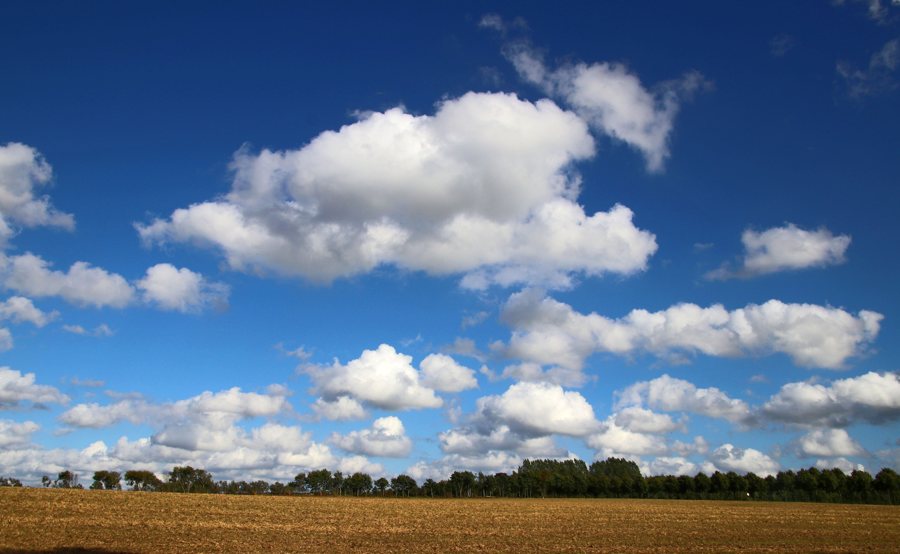 File:Marker ved Gammel Lejre 2017b.jpg
Photo: Guillaume Baviere from Uppsala, Sweden via Wikimedia Commons, CC-BY-SA-2.0
File:Marker ved Gammel Lejre 2017b.jpg
Photo: Guillaume Baviere from Uppsala, Sweden via Wikimedia Commons, CC-BY-SA-2.0
Those who want to combine cultural history, trails and open landscapes on a trip to Lejre will find a variety of options here for planning their days. Lejre Museum presents modern, interactive and engaging exhibitions about the major significance of the Lejre area in Viking Age Denmark. Sagnlandet Lejre showcases houses and ways of life from the Stone Age, Iron Age and Viking Age. Lejre therefore appeals both to visitors who want to learn about historical contexts and to travellers who wish to combine their stay with walks and experiences in nature.
Cultural history between museums, farms and a ship setting
A direct connection between two cultural attractions is provided by the 1.8-kilometre Kongehal-vejen. The walking trail leads from Lejre Museum to Sagnlandet Lejre. Admission to Sagnlandet Lejre is required to visit Kongehal. You also need an admission ticket for Sagnlandet Lejre to use Den Vilde Vej.
Guided tours of Ledreborg Castle can be booked during the summer season. The tour includes the church, the beautiful halls, the old kitchen and the dungeon. Gammel Kongsgård is a preserved farmhouse residence built in 1740. Gl. Kongsgaard was formerly a tenant farm under Ledreborg Castle and is now a monument to the rural culture of the Lejre area. The ship setting at Gl. Lejre is one of the largest ship settings in Scandinavia.
Trails through landscape and nature
Skjoldungestien is a 50-kilometre walking trail that passes through Gl. Lejre. Between Gl. Lejre and Gevninge, it follows the Lejre Å. For your travel planning, this allows you to choose between a longer walking route and the shorter Kongehal-vejen, which is 1.8 kilometres long.
The protected area around Gl. Lejre offers trails through fields, meadows and nutrient-poor grassland. The open landscape provides a habitat for pheasants, roe deer, hares and birds of prey such as common buzzards, marsh harriers, red kites and peregrine falcons. Up to 50 different plant species per square metre grow on the burial mounds in the protected landscape. Mysselhøj is one of the best-preserved burial mounds in the area.
Herthadalen also combines landscape and history. The narrow meltwater ravine lies in a forest near Sagnlandet Lejre. From the 1850s to the 1960s, Herthadalen served as a venue for large political and popular gatherings.
Special experiences at Sagnlandet Lejre
Den Vilde Vej is a 330-metre-long walkway that runs up to 8 metres above the animal enclosures at Sagnlandet Lejre. From above, visitors can see wild boar, goats and aurochs. The dimensions of the walkway provide a clear indication of the length of the experience; you should also include admission to Sagnlandet Lejre in your planning.
Those looking for accommodation in Lejre can first decide whether their trip should focus more on the Viking Age and rural culture, walking trails or the protected landscape around Gl. Lejre. A shelter and tent site is available for hikers and cyclists on the outskirts of Lejre, in a small woodland area near the Skjoldungestier. Groups of fewer than 10 people can use it free of charge on a first-come, first-served basis.
If you would like to expand your choice of location, you can also find Kisserup, Ordrup, Kyndeløse, Kirke Såby, Kirke Hvalsø, Kirke Hyllinge and Gershøj.
To the higher-level travel overview: Lejre.
Check prices, availability and amenities for your travel dates directly on Booking.com.
View accommodation and offersAdvertisement · Affiliate link to Booking.com
