
Stockholm Archipelago
The Stockholm archipelago begins just a short trip from the city center and stretches far out into the Baltic Sea. Islands close to the city are ideal for a half-day visit; more distant destinations such as Sandhamn or Möja require more time for travel and exploring. The best choice depends on how many hours you have, the scenery you want to see, and the ferry connection that suits you.
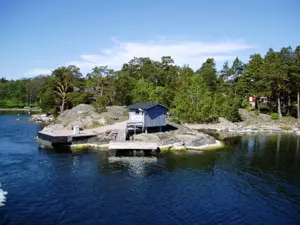 Stockholmer Schären
Photo: © wikipedia / Udo Schröter
Stockholm archipelago at a glance
- Size: The archipelago comprises more than 30,000 islands and islets.
- Islands close to the city: Fjäderholmarna and Vaxholm are relatively quick to reach.
- Outer islands: Sandhamn, Möja, Utö and Finnhamn are well suited to longer day trips or multi-day stays.
- Getting around: Ferries, excursion boats and buses provide access to different parts of the region.
- Planning: Departure point, transfers and return journey depend on the island and connection.
- Where to stay: Stockholm is a convenient base for a single island day trip; for several days in the archipelago, consider staying somewhere in the region.
Which island suits the time you have?
For a short trip, consider Fjäderholmarna. The islands are close to the city, and the ferry from Slussen takes about 20 minutes. Once there, you can combine walks, handicrafts and dining with views of the water and shoreline. This makes the visit easy to fit into a day in the city, leaving time for museums or another neighborhood.
Vaxholm is an easily reached destination if you want to experience an island town with a harbor and town center. It makes a good longer day trip, with time for a stroll and a visit to the fortress. The Vaxholm town guide complements your island plans with information about the harbor, local history and how to get there from Stockholm.
Grinda pairs an island visit with walks through nature. Sandhamn, Möja, Utö and Finnhamn lie farther out and are good choices if you can set aside a full day or stay overnight. For these destinations, the journey out and back is an integral part of the trip: depending on the connection, you may switch between bus and boat or transfer along the way. A longer stay gives you more time for hikes, coastal views and exploring each island community.
Four outer islands, each with its own character
Sandhamn is a good fit for a trip centered on harbor life and a maritime atmosphere. The village is a meeting place for sailors; in summer, hotels, guesthouses, restaurants and bars give it a lively feel. There are also kayak rentals and bike hire. Outside the peak season, the island is quieter and its landscape takes center stage. Waxholmsbolaget serves Sandhamn, making the journey one of the longer boat trips from Stockholm; plan it as a day trip in its own right.
Möja is a good choice if you want to walk or cycle between small villages and well-preserved harbors. Fishing and farming are still practiced on the island. The main village, Berg, has a small supermarket and a hostel open year-round; in the village of Ramsmora, you’ll find the fish restaurant Wikströms Fisk. This also makes the island suitable for an out-of-season stay, when its everyday character and paths through the landscape are part of the appeal. According to the regional travel information, Möja is less suited to a beach day.
Utö combines nature and history in the southern outer archipelago. The island is known for its beaches and Sweden’s oldest iron ore mines; preserved miners’ cottages and a mining museum give a visit a historical focus. The hotel, hostel and restaurant at Utö Wärdshus make a longer stay easier. If you’d like to cover more ground, rent a bike and ride to Ålö, where you’ll find a light-colored sandy beach and the fish restaurant Båtshaket. Utö is described as a year-round destination, so it also suits a stay outside the summer months.
Finnhamn is particularly well suited to hiking and a longer stay immersed in nature. This wooded island lies in the outer archipelago, about two and a half hours from Stockholm. Small coves with rocky shores invite you to swim. A café, guesthouse, hostel, campsite, and bike and boat rentals offer different ways to spend the day or stay overnight. There’s also a farm shop. Since the journey takes up a substantial part of the day, Finnhamn is a good choice if you want to spend several hours on the island or stay overnight.
These islands are reached mainly by Waxholmsbolaget’s archipelago boats. The operator serves Sandhamn, Möja and Utö, among other destinations; depending on where you start, you may first need to take a bus to a coastal terminal. Some routes involve switching between public transport on land and a boat. Plan the whole journey as one connected route, including the trip to the pier and the return journey. Finnhamn’s approximate travel time of two and a half hours makes it especially clear why combining it with a second distant island rarely offers the same kind of visit as an overnight stay.
Choose a stay and travel time that suit your plans
For a single island day trip, Stockholm is a convenient base: you can reach the departure points in the city and spend your other days visiting museums, the Old Town or coastal communities. If you plan to spend several days in the archipelago, staying overnight on an island gives you more time for hiking trails, harbor villages and the evening hours. You’ll also experience the destination after the day-trippers have left. On Möja, Berg has year-round essentials, including a supermarket and hostel; on Utö, a hotel, hostel and restaurant make longer stays easier. Finnhamn combines places to stay with hiking trails and small coves.
Summer offers the widest choice of open hotels and restaurants. Sandhamn is especially lively then; if you’d rather experience the island in a quieter atmosphere, consider visiting in the shoulder season. Möja, Utö and Finnhamn are also described as year-round destinations, though the accommodation and dining options vary from island to island. For a trip outside summer, Möja—with its hostel and supermarket open year-round—and Utö, a year-round island destination, are both good choices for a longer stay. Finnhamn is a good fit if hiking and nature are your priorities. Choose an island based on the atmosphere you want and the connections that are actually available.
Ferry connections and routes
Boats depart from several piers in Stockholm and from towns along the coast. Waxholmsbolaget connects many islands with the mainland; tour operators also offer guided boat trips to selected destinations. Short ferry routes serve islands closer to the city, too. The options differ by route and purpose: a scheduled ferry takes you to a specific destination, while a sightseeing cruise focuses on the views and experience on the water.
Buses also serve various parts of the archipelago. Routes toward Roslagen, Vaxholm and Norrtälje depart from locations including Tekniska högskolan; Slussen provides access to destinations such as Saltsjöbaden, Gustavsberg and Värmdö. Farther south, bus routes head toward Tyresö, Dalarö and Gålö. Depending on your route, you can travel part of the way by land and then transfer to a boat. The guide to Norrtälje and Kapellskär offers a closer look at the northern coastal region of Roslagen as a complement to an island trip.
Timetables and seasonal services vary by island and operator. Choose your destination first, then compare departure ports and possible connections for the outward and return journeys. For the outer islands, factor in both the start of the day and the last suitable return connection. Staying in Stockholm works well if you want to combine a city break with individual days in the archipelago; for visits to several islands, accommodation closer to your chosen route may make more sense.
The inner and outer archipelago
The inner archipelago includes islands that are easy to combine with a stay in the capital. Fjäderholmarna are ideal for a short visit; Vaxholm combines a ferry ride with a harbor and a town to explore. Farther out, the landscape opens up and travel takes up a larger share of the day. Islands such as Sandhamn and Möja are therefore especially suitable if you want to devote a full day of your trip to the archipelago.
To the north, the region of Roslagen stretches as far as towns such as Norrtälje and Kapellskär. Southern destinations such as Dalarö and Gålö open up more of the coastline. If you prefer longer journeys and time in nature, the Stockholm guide also includes information about coastal towns and trips in the region.
The water shapes the journey as much as the destination on land. The trip itself offers changing views of wooded islands, bare rocks and inhabited coastal communities. On the islands, paths lead to harbors, viewpoints, beaches or natural areas, depending on where you are. Choose a clear focus for a short visit; with a longer stay, you can link up several trails and island communities.
Frequently asked questions about the Stockholm archipelago
Which island is best for a short trip?
Fjäderholmarna are close to the city center and reachable by a short ferry ride. Vaxholm is a good choice for a longer visit with a harbor and town center. Both are easier to fit into a Stockholm stay than islands farther out.
How much time should I allow for Sandhamn or Möja?
Set aside a full day, since traveling by water takes up a substantial part of the trip. If you want to hike or explore the island community at a leisurely pace, staying overnight gives you more flexibility.
Can I reach the archipelago by bus?
Buses run from several terminals to coastal towns and piers, including routes toward Vaxholm and Roslagen and to Saltsjöbaden and Värmdö. For many island destinations, you’ll combine a bus journey with a ferry.
Where should I stay for an archipelago holiday?
Stockholm is a good base for individual day trips and a mixed city itinerary. If you plan to visit several islands, choose accommodation that works with your planned departures; the outer islands also offer options for longer stays.
