
Stockholm: City, Archipelago and Coast
Stockholm brings together an island city, a coastline and a lake landscape. Between Lake Mälaren and the Baltic Sea, waterways, bridges and districts shape the city centre; to the east, the archipelago begins, with more than 30,000 islands, skerries and rocks. A city visit, an island excursion and a coastal stay make for distinct parts of a trip.
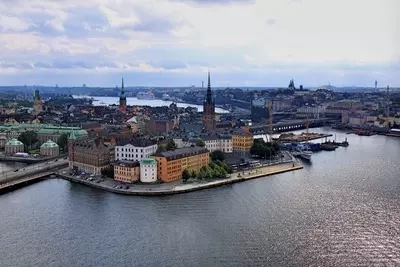 Blick auf die Altstadt von Stockholm
Photo: © menzelhd / pixelio.de
Stockholm and the region at a glance
- Location: Stockholm lies where Lake Mälaren meets the Baltic Sea and is shaped by waterways and islands.
- Archipelago: The Stockholm archipelago comprises more than 30,000 islands and rocks and stretches far out into the Baltic Sea.
- City and nature: The Royal National City Park forms a green arc through and around the city.
- Day trips: Vaxholm is a good choice for an archipelago excursion relatively close to the city; islands such as Grinda and Sandhamn lie farther out.
- Water routes: Ferries connect the city centre, Djurgården and destinations in the archipelago; departure points and timetables depend on the route.
- Regional additions: Nynäshamn to the south and Roslagen, with Norrtälje and Kapellskär, to the north showcase different stretches of coastline.
- Accommodation: Staying in the city makes it easier to visit cultural attractions and museums; for days on the islands or in nature, choose a base that suits the ferry connections you plan to use.
Stockholm between Lake Mälaren and the Baltic Sea
Stockholm’s waterside setting is part of everyday life and also a good starting point for understanding the region. Canals, bays and waterfronts divide the city into distinct neighbourhoods. The Old Town, Gamla stan, lies between Lake Mälaren and the Baltic Sea; central squares, historic lanes and waterfront paths are all within walking distance from there. Bridges and public transport link the inner-city districts across the islands. A walk along the quays gives a sense of how closely urban development, the harbour and shipping are connected.
A day in Stockholm can be planned around your interests: Gamla stan for the historic centre, Djurgården for museums and green spaces, and Södermalm for viewpoints and city life. If you want to explore art, design or history in more depth, make a museum visit a fixed part of your itinerary and add walks by the water. Routes between neighbourhoods are not always direct, as bays and islands shape the way. For a first visit, it makes sense to choose two neighbouring areas to focus on rather than trying to fit every district into one day.
To the southwest, the Södertälje Canal links Lake Mälaren with the Baltic Sea, giving Södertälje a different relationship with the water from that of the capital. Farther south, Trosa is a coastal town on the Trosaån, with a harbour and historic centre. Both make good standalone side trips if you have more time to explore the region: Södertälje and Trosa.
The archipelago as a separate part of your trip
East of the city, the Stockholm archipelago opens out, changing in character the farther you travel. The nearby Fjäderholmarna islands are ideal for a short excursion; Vaxholm combines a harbour town with archipelago scenery and works well as a day trip. Farther out are Grinda, Möja, Utö and Sandhamn. Longer journeys across the water and connections between services play a greater role in planning a day there.
Southeast of the capital, Saltsjöbaden is a mainland access point to the Stockholm Archipelago Trail, combining coastal walking with a stay close to the city.
Start by choosing an island or island town based on how much time you have and what you would like to do. Vaxholm is well suited to a short trip with a stroll around town and views of the harbour. On Grinda, nature and walks take centre stage; Sandhamn combines a longer excursion with a harbour and island atmosphere. Allow a full day for the outer islands, as the crossing and time spent there are both part of the experience. If you want to visit several islands, plan a specific route based on the departures and return services that work for you.
Ferries are both a means of transport and a scenic ride. Depending on your destination, services depart from central quays and other parts of the city; local boats also run to Djurgården and Vaxholm. Different routes and operators serve different destinations. An early start gives you more time on the island, while a destination closer to the city is a good option for a shorter visit.
Green spaces and nature within the city
The Royal National City Park forms a long green arc through and around Stockholm. As the world’s first national city park, it brings together forests, meadows, waterways, historic buildings and recreational facilities. The park extends across several parts of the city; its individual sections can be combined with museum visits or a walk by the waterfront. Ancient oaks, open meadows and woodland paths offer a striking contrast to the dense city centre. If you only have a few hours, choose a section close to the city rather than trying to cross the park in its entirety.
The surrounding region also has numerous nature reserves beyond this park. In Tyresta National Park, south of the city, trails wind through old pine and spruce forests to woodland lakes; the main entrance is at Tyresta by. It is a good choice for a dedicated nature day with a longer hike. Ängsö, in the outer archipelago, is an island of flower-rich meadows, deciduous trees and old-growth forest. Seasonal boats run from Stockholm and Furusund to Hemudden in spring and summer. Travel time and time spent on the island should both be factored into your plans.
South of the city: Nynäshamn and the outer coast
Nynäshamn lies on the outer side of the Södertörn peninsula and gives the region a different coastal character from its sheltered inner waterways. The town is a harbour on the open Baltic Sea; the offshore island of Landsort marks the southern entrance to the archipelago. Destination Gotland connects Nynäshamn with Visby, with the crossing taking around three hours. Nynäshamn can therefore be a coastal destination in its own right or a starting point for a longer journey.
The coastal town of Nynäshamn adds a harbour, outer skerries and an open Baltic Sea setting to a visit to the capital. If you are travelling to Gotland, the ferry from Nynäshamn is an important part of your travel arrangements; make sure the sailing times and departure fit your travel dates. On the mainland, coastal paths and views go hand in hand with the harbour’s local atmosphere. The town is an appealing choice if, alongside museums and city districts, you would like to experience a maritime setting with direct access to the Baltic Sea.
Roslagen and Kapellskär in the north
Roslagen, a coastal area with numerous skerries and small harbour towns, lies north of Stockholm. Norrtälje sits on Norrtäljeviken and connects its town centre with the coastal landscape. Farther east, Kapellskär lies on the Baltic coast: Finnlines sails from there via Långnäs to Naantali in Finland, while DFDS connects the harbour with Paldiski in Estonia. To the north, Grisslehamn adds another coastal town and serves as the departure port for the Eckerö Linjen ferry to Åland. This makes it easy to plan a small town, a skerry-lined coast and different ferry ports as separate parts of a trip.
The guide to Norrtälje and Kapellskär takes you from life in the town of Roslagen to a ferry port on the Baltic Sea. Norrtälje has a compact centre with shops and restaurants, while Kapellskär is shaped above all by ferry traffic. Grisslehamn adds the port for the Åland connection to your options. Norrtälje can serve as a base for an overnight stay, while staying close to Kapellskär or Grisslehamn matters if you have an early departure.
Choosing accommodation and length of stay
For a short stay in Stockholm, centrally located accommodation is practical, as museums, the Old Town and waterfront paths are within reach without a long daily commute. For a longer stay that includes island and nature excursions, being close to a suitable transport connection may matter more than being near a particular attraction. Compare the days you have planned: an early ferry, an evening in the city centre or an extra day in Roslagen may each call for a different base.
Accommodation in the centre works well for an itinerary that includes Gamla stan, Djurgården and the city’s museums. If you plan to spend several days in the archipelago, consider staying overnight on an island or in a coastal town as well. That way, longer ferry journeys become part of your trip rather than repeated day trips there and back. The right accommodation in Stockholm depends on the focus of your plans.
If you have limited time, a simple way to divide your trip is to spend one or two days in the central districts, set aside a day for the archipelago and add another stretch for Tyresta, Nynäshamn or Roslagen. With more time, you can combine coastal areas with an overnight stay. The island of Gotland is a destination in its own right and can be reached by ferry from Nynäshamn. This lets you experience the city, the archipelago and the island coast as distinct parts of your trip.
Frequently asked questions about Stockholm and the surrounding area
How many days should I plan for Stockholm?
Two or three days are enough to explore the central districts, visit a museum and leave time for walks by the water. Add more days for an archipelago trip, Tyresta or a coastal area such as Nynäshamn. If you visit an outer island, set aside a full day for the crossing and your time there.
Which island is best for a short trip?
Fjäderholmarna and Vaxholm are close to the city and well suited to a shorter island visit. Grinda, Sandhamn and islands farther out require more time for travel and your stay. Choose a destination that fits the ferry services available.
Can I combine a city visit with time in nature?
Yes. The Royal National City Park extends into the city and can be combined with a museum visit or a wander around a city district. Tyresta and Ängsö are more substantial nature excursions, so allow extra time for travel and getting around on site.
Which coastal towns are good additions to a Stockholm trip?
Nynäshamn represents the region’s southern outer coast and has a harbour with connections to Gotland. Norrtälje and Kapellskär provide access to Roslagen in the north and ferry routes towards Åland, Finland and the Baltic states. Either area works as a standalone excursion or as part of a longer route.
