
Christiansø: Fortress Island and Birdlife
Christiansø and the neighboring island of Frederiksø form the inhabited heart of Ertholmene, a small Danish archipelago about 20 kilometers northeast of Bornholm. A preserved naval fortress, car-free island scenery and an important bird sanctuary make for a special day trip. The crossing departs from Gudhjem and takes about an hour.
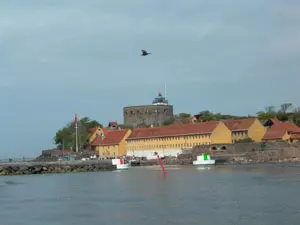 Hafen von Christiansø
Photo: © Rainer Höll
Christiansø at a glance
- Location: About 20 kilometers northeast of Bornholm in the Baltic Sea.
- Archipelago: Christiansø and Frederiksø are connected by a suspension bridge; Græsholm is a bird sanctuary.
- Getting there: Christiansøfarten sails from Gudhjem; the crossing takes about an hour.
- History: Construction of the fortress began in 1684 under King Christian V.
- Visitors: About 40,000 people visit each year, mostly on day trips.
- Accommodation: A guesthouse, hostel, small apartments and a campsite make longer stays possible.
A fortress in the middle of the Baltic Sea
Christiansø lies about 20 kilometers northeast of Bornholm. Together with Frederiksø, the uninhabited bird island Græsholm and numerous small skerries, it is part of Ertholmene. Østerskær marks Denmark’s easternmost point. The low rocky outcrops and the narrow stretch of sea between Christiansø and Frederiksø give the small archipelago its distinctive character.
King Christian V ordered the construction of a naval fortress and fleet base to begin in 1684. Bastions, walls, towers and houses still define the settlement today. The two inhabited islands are connected by a suspension bridge; sailboats and supply ships for the islands lie in the harbor. The islands are administered by the Danish Ministry of Defence. A short walk links the fortress, harbor and residential areas. Ertholmene is state-owned, and its fortress, nature and wildlife are protected.
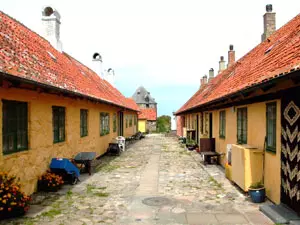 About 90 people live on Christiansø and Frederiksø combined. Daily life unfolds among the historic houses, small lanes and harbor: many residents live along Gaden on Christiansø, while Harkestræde is another residential street on Frederiksø. The grocery store, library, school and administration are part of everyday life, as are work in the harbor and at the accommodation facilities. This small community shapes the visitor experience: the historic buildings are also homes and workplaces.
The water supply also tells the story of island life. For centuries, residents collected rainwater and surface water in ponds and basins; Store Brønd, also known as Guds Forsyn, is the largest reservoir. In dry summers, the water sometimes ran short, and drinking water had to be brought over from Bornholm. Seawater was used for toilets to conserve the scarce freshwater. Today, about 80 percent of the drinking water comes from desalinated Baltic Sea water and 20 percent from wells on Christiansø. The reverse-osmosis plant at the harbor pumps the desalinated water to the central waterworks, which was renovated in 2013. Alongside the fortress’s history, the old water-collection system shows how the island has adapted to its limited natural resources.
The island’s history also includes its time as a place of exile: from 1725, prisoners were sent here for life. Among them was the physician Jacob Jacobsen Dampe, who was held on Christiansø from 1826 to 1841. The historic buildings and fortifications offer a glimpse into this history along the walking route. Store Tårn and Lille Tårn house museums that add to the story of the fortress.
Birdlife and protected nature
Ertholmene combines a small settlement with sensitive habitats. Eiders nest among the paths and historic walls on Christiansø; on Græsholm, the bird sanctuary, herring gulls, razorbills and guillemots nest. More than 15,000 pairs of seabirds and coastal birds raise their young across the archipelago. Græsholm is closed to visitors; the bird colony can be viewed with binoculars from Frederiksø. During the eider nesting season, from April 1 to June 15, visitors may not enter areas outside the walls. Eiders also nest close to paths and in gardens on the inhabited islands. Dogs and cats are not allowed on the islands because of the open water reservoirs and to protect nature and birdlife.
Christiansø is car-free. Short paths cross rocky ground, paved areas and historic sites; sturdy footwear is useful for walking around. In spring and autumn, migratory birds stop on the islands, whose isolated location makes them a resting place on their journey across the Baltic Sea. Birds are often especially easy to spot on quiet, misty days. On the inhabited islands, wildlife watching goes hand in hand with respect for the animals: stay within the walls during nesting season, and observe Græsholm from Frederiksø. The paths between the harbor, fortifications and viewpoints are short, but taking your time leaves room to enjoy the landscape and harbor life.
By boat from Bornholm to Christiansø
The Christiansøfarten ferry sails from Gudhjem on Bornholm to Christiansø; the crossing takes about an hour. In high season, there are up to three departures a day, while in winter the postal service makes the trip on weekdays. The number of crossings and departure times vary by season. If you are visiting as a day trip, it is best to plan your time ashore around the sailing schedule for your travel date.
Gudhjem is the departure port for Christiansøfarten and the direct starting point for the crossing. The harbor lies below the town’s steep lanes; if you stay overnight in Gudhjem, you can reach the pier without making an additional journey across Bornholm. Hotels and accommodation in Gudhjem are therefore particularly convenient for an early departure or an overnight stay after returning. Gudhjem is also the right choice if the ferry trip to Christiansø is the focus of your visit. Svaneke centers a stay around its harbor cut into the rock, active fishing industry, swimming spots, and local food and craft businesses. Allinge and Sandvig combine the town’s harbor life and Folkemødet in Allinge with Sandvig’s sandy beach, views of Hammerknuden and walking routes toward Hammershus. Each of these places makes a good base on Bornholm with its own focus; the ferry to Christiansø departs from Gudhjem.
A day trip or a quiet overnight stay
Around 40,000 visitors come to Christiansø each year, most on day trips. There are several accommodation options on the islands: a guesthouse, a hostel, small apartments and a campsite. Demand is especially high during summer weeks 26 to 31; the island administration recommends booking well in advance if you plan to stay overnight. Those who stay get to experience the islands during the quieter hours after the day visitors have left.
For a day visit, a continuous walking route works well: after arriving, start at the harbor and take in the buildings and the former commandant’s residence on the quay. Then walk through Gaden to the bastions and along the fortress walls to see how the residential area and the defenses fit together. Store Tårn is centrally located on Christiansø and adds exhibitions on history and nature to the tour. From there, the suspension bridge leads to Frederiksø. The gunboat sheds, former prison and residential street Harkestræde offer a glimpse into other chapters of island life. Lille Tårn at the northern end of the island tells the story of the tower and offers a view of the bird island Græsholm. From here, you can observe the colony with binoculars. Cross the bridge back to the harbor, leaving time for breaks along the way.
A day trip is a good choice if you mainly want to experience the fortress, museums and sweeping views of the archipelago. Boat services vary by season, so the schedule for your travel date determines how much time you can spend ashore. Staying overnight offers a different perspective on the island: most of the roughly 40,000 annual visitors stay only for the day, while the accommodation options make one or more nights possible. After the day visitors have left, there is more room to take in the slow pace of the small settlement, the protected nature and life around the harbor. The island administration notes that the distinctive island culture often becomes apparent only during a longer stay. In summer, especially during weeks 26 to 31, accommodation is in high demand; the guesthouse, hostel, apartments and campsite should be booked well in advance.
Frequently asked questions about Christiansø
How long does the crossing to Christiansø take?
The crossing from Gudhjem with Christiansøfarten takes about an hour. The number of departures varies by season; in winter, the postal service makes one trip on weekdays.
Can you stay overnight on Christiansø?
Yes. A guesthouse, hostel, small apartments and a campsite offer places to stay. The island administration recommends booking early for the popular summer weeks 26 to 31.
Are dogs allowed on Christiansø?
Dogs and cats are not allowed on the islands because of the open water reservoirs and to protect nature and birdlife.
