
Bornholm excursion tips: destinations by location and interest
Bornholm excursions are best planned by area of the island and by interest: in the north, combine Hammershus with the rocky coast; in the east, Gudhjem with the art museum and Christiansø; and in the south, NaturBornholm with Aakirkeby. The distances between these destinations make choosing a clear focus for the day more useful than drawing up a long list of individual stops.
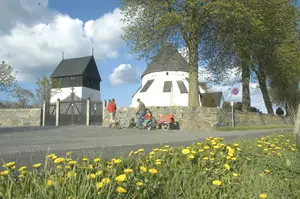 Rundkirche Österlars auf Bornholm
Photo: © Destination Bornholm (alle)
Bornholm excursions at a glance
- Northern Bornholm: Hammershus and its visitor centre are near Allinge-Sandvig; the castle ruins, exhibition and rocky coastal landscape make a well-rounded excursion.
- East coast: Gudhjem is the departure point for boat trips to Christiansø and lies around six kilometres southeast of the Bornholm Art Museum at Helligdomsklipperne.
- Central and southern Bornholm: NaturBornholm is in Aakirkeby and combines geological history, fossils and live animals with a visit to the island’s interior.
- Choosing according to the weather: Museums and visitor centres offer indoor activities; Hammershus, coastal trails and island tours are mostly outdoor activities.
- Transport: BAT buses connect the larger towns via Rønne. A car or bicycle makes it easier to combine several out-of-the-way destinations in one day.
- Planning: Trips to Christiansø depend on the season and weather; plan your day around the timetable from Gudhjem.
Hammershus: castle, exhibition and the north coast
The Hammershus castle ruins stand on a rocky outcrop at the northern tip of Bornholm. The castle is thought to have been built in the late 13th century; later, the site was used, among other things, as a prison for Leonora Christina and Corfitz Ulfeldt. It is worth visiting the visitor centre first: it is about 200 metres east of the ruins, across a ravine, and has an exhibition on the castle’s history. Large windows look back towards the castle and the coastal landscape.
The visitor centre and ruins make a natural combined excursion: the exhibition provides the historical context, followed by a walk that takes in the setting and surviving walls. Paths around the ruins cross rocky, sometimes uneven terrain; the ground is more challenging in wet weather. The visitor centre has step-free access and accessible toilets. It is at Slotslyngvej 9, near Allinge. If you would like to extend your day, you can combine it with Allinge-Sandvig or the coastal paths at Hammeren rather than travelling to another distant part of the island.
Gudhjem and Helligdomsklipperne: art and coastal scenery
The Helligdomsklipperne, a striking rocky coastline, lie north of Gudhjem. The Bornholm Art Museum is located directly above them. Its permanent collection includes art connected with Bornholm, from the Golden Age to the present day, as well as both historic and contemporary crafts. Several temporary exhibitions are also held each year. The museum therefore suits both a dedicated art visit and a route combining indoor activities with the nearby coastal scenery.
Plan time for the exhibitions first, followed by a walk among the rocks if the weather and paths allow. Gudhjem is about six kilometres to the south and makes a convenient starting point or a place to stop afterwards for a break by the harbour. If you are travelling by bus, use Gudhjem as your reference point and plan the final leg to the museum around the current service.
Christiansø: a day trip to the Pea Islands
The island of Christiansø and Frederiksø are part of the Ertholmene archipelago, around 20 kilometres east of Bornholm. The two islands are connected by a drawbridge, with a sheltered natural harbour between them. The historic fortifications, compact settlement and exposed location make this a distinctive island experience. Protecting birdlife is the main focus on nearby Græsholm.
The regular ferry to Christiansø departs from Gudhjem. In 2026, its seasonal timetable provides for one or more departures a day, depending on the period; outside the peak season, the mail boat runs on certain days of the week. The crossing is weather-dependent. Choose your day according to the official timetable and plan your return to allow for the length of stay you want. A late departure is not available every day. Christiansø is therefore best treated as a destination for the whole day, rather than combined with several widely separated stops on Bornholm.
From the harbour, a walking route takes you to the fortifications, houses and viewpoints. The islands are small, but the paths and steps cross rocky ground. Take time to appreciate the distinctive mix of military history, island life and birdlife. If you are staying overnight on Bornholm, accommodation in Rønne Parish is closer to Rønne ferry port; Gudhjem is the more convenient base for an early departure.
NaturBornholm: geological history and wildlife in the south
In Aakirkeby, NaturBornholm explores the island’s formation and natural history. Fossils and exhibitions about the Jurassic and Cretaceous periods show how Bornholm has changed over long periods of time; life-size dinosaur models bring the geological eras to life. Dwarf caimans, turtles and fish live in a Cretaceous lagoon. The visitor centre thus brings together geology and live animals in one place. It is at Grønningen 30, in the south of Aakirkeby.
NaturBornholm is an especially good choice if you want to include a longer indoor visit in your day or if a beach day is not your main priority. Parking is available for cars and bicycles; you can plan the specific bus connection from your accommodation. Opening days and hours vary by season: the published 2026 calendar lists a winter closure for the exhibitions from 1 November 2026 to 28 March 2027. A visit during the winter half-year is therefore only possible on specially announced event days. Combine the museum with Aakirkeby and the island’s interior, rather than adding a detour to the distant north coast.
Museums and crafts around Rønne, Hasle and Aakirkeby
Rønne offers several different places to explore Bornholm’s history. The Bornholm Museum on Skt. Mortens Gade brings together island archaeology and the gold foil figures known as Guldgubber, as well as subjects such as seafaring and the occupation. The Bornholm Defence Museum focuses on the island’s military history and the German and Soviet occupations during the Second World War; nearby, the Kastelstårnet adds a historic defensive tower to the visit. Both museums fit into a cultural and historical walking tour of the island’s capital.
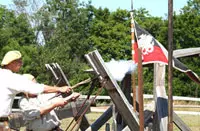 Bornholm Medieval Centre near Østerlars makes history engaging with reconstructed buildings and hands-on activities. It is particularly suitable for families and visitors planning a longer outdoor visit. The 2026 season is scheduled to run until 26 September; extra autumn opening days and the Christmas market are scheduled separately. The centre is therefore a seasonal attraction, while the museums in Rønne work better as cultural and historical additions to a town visit.
You can experience ceramic craftsmanship at Hjorths Fabrik in Rønne: founded in 1862, the pottery operates as a living museum, bringing historic workshops together with ongoing ceramic production. In Hasle, Grønbechs Gård, Bornholm’s Centre for Arts and Crafts, hosts changing exhibitions and displays crafts. Both are good choices if you are interested in local design and production rather than a general collection; exhibitions in Hasle change with the seasons.
The Bornholm Automobile Museum near Aakirkeby adds a more specialised motoring theme to the options. It is a good fit for anyone interested in historic vehicles and can be combined with NaturBornholm or other destinations in the south.
Gudhjem: farming, food and painting
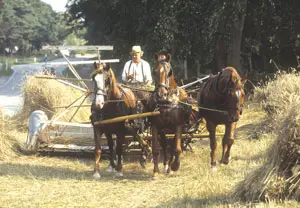 Melstedgård, south of Gudhjem, is now a living farm museum devoted to Bornholm’s food culture. The visit includes the historic farm, Madkulturhuset, with its hands-on activities, and Skafferiet, which serves regional food and sells local products. Animals, farm life and crafts give it a different focus from the art and history museums. In 2026, the visitor season runs through the autumn holidays, with a few additional opening days around Christmas in December.
The Oluf Høst Museum, by contrast, is in Norresân, the painter’s former home in Gudhjem. Bognemark is the nearby farm cottage that appears in many of his paintings. If you want to understand Bornholm art in its local setting, combine a museum visit with time in Gudhjem and consider Bognemark as a link between the paintings and the landscape.
Svaneke and Nexø: family attractions by season and weather
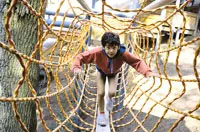 Brændesgårdshaven near Svaneke, formerly Joboland, combines park areas with a seasonal water park and other family attractions. Some of the water and play areas are outdoors, so it is best visited on a warm, dry day. For a more weatherproof family day out, choose museums with a stronger focus on permanent indoor exhibitions instead.
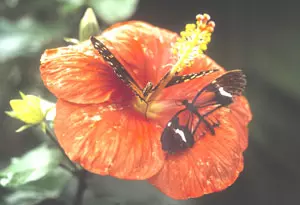 Sommerlunden in Nexø combines the former Bornholm Butterfly Park with sand sculptures. The tropical house and butterflies provide the sheltered part of the visit; the sculptures and other outdoor areas are open-air attractions. According to the operator, no butterflies were on display in the tropical house during the 2026 autumn holiday period, and the season ended on 17 October.
Which destinations are suitable for half a day or a full day?
For a half-day outing, focus on one area rather than crossing the island. In the north, the visitor centre and Hammershus ruins make a self-contained excursion. In the east, you can combine the art museum with a coastal walk at Helligdomsklipperne; Gudhjem adds a harbour and town centre to the day. In the south, NaturBornholm takes several hours if you want to explore the exhibitions and individual themed areas at your own pace.
Christiansø takes a full day because of the journey and the time spent on the island. The ferry timetable sets the schedule, the crossing may change due to weather, and the islands are best explored without a tight schedule of onward connections. A destination on Bornholm itself is easier to combine with other places if you have less time. That way, you can spend time exploring rather than spending most of the day travelling.
If you are staying for several days, you can divide your visits by direction: Hammershus and Allinge-Sandvig in the north, Gudhjem and the art museum on the east coast, and NaturBornholm and Aakirkeby in the south. Rønne is the arrival point and transport hub; bus journeys to the island’s towns start there. You can combine destinations along a stretch of coast by bicycle, but take the hilly terrain and distance into account if planning a full-day island tour.
Choosing excursions by weather and interest
In changeable weather, the art museum and NaturBornholm are the most reliable indoor options among the destinations described here. Hammershus combines an indoor exhibition with outdoor grounds: the ruins are exposed to the weather, while the visitor centre offers an exhibition in its own right. A ferry crossing is part of a trip to Christiansø, and the operator warns that services can change depending on the weather. Strong winds or heavy seas may therefore affect your plans for the day.
For history, make Hammershus your main destination and allow time for the exhibition and fortifications. Art lovers can combine the art museum’s collection with the coastal area where it is located. Choose NaturBornholm for natural history; if you want to experience island culture and a remote settlement, take the ferry to Christiansø. Families can choose between the different activities based on age and energy levels: exhibition spaces allow for breaks, while castle paths, the boat trip and the island walk require more movement and time outdoors.
Staying near Rønne makes arrival and departure easier; for daily excursions, choosing a suitable area of the island and having convenient transport links matter more. Choosing destinations by location cuts out detours and leaves room for spontaneous stops along the coast.
Frequently asked questions about Bornholm excursions
What can I visit at Hammershus besides the ruins?
The visitor centre is about 200 metres east of the castle and has an exhibition on the history of Hammershus. Together with a walk around the castle grounds, it makes for a visit that combines historical context with exploring the site for yourself.
How should I plan a trip to Christiansø?
The ferry departs from Gudhjem. Departures and return trips depend on the seasonal timetable, and the crossing is weather-dependent. Plan Christiansø as a day trip in its own right and choose a day with a suitable connection in both directions.
Which Bornholm destination is suitable in the rain?
The Bornholm Art Museum and NaturBornholm offer extensive indoor exhibitions. At Hammershus, you can combine the exhibition in the visitor centre with exploring the ruins, which is weather-dependent.
Can I combine NaturBornholm with a visit to the beach?
NaturBornholm is in Aakirkeby, in the island’s interior. A beach visit requires an additional trip to the coast; the combination works well if you allow enough time and keep to a route in the south.
Can I visit several of these destinations in one day?
Hammershus and Allinge-Sandvig, or Gudhjem and the art museum, are easy to combine because of their locations. NaturBornholm can be combined with destinations in the south. Christiansø is a day trip in its own right because of the ferry journey.
