
Holiday Properties on the Baltic Sea: Location, Use and Purchase
A holiday property on the Baltic Sea can serve as a private retreat, a holiday home rented out from time to time, or a permanent residence. When comparing individual properties, the exact location, permitted use and ongoing obligations matter just as much as size and purchase price. The provider features presented here are advertisements.
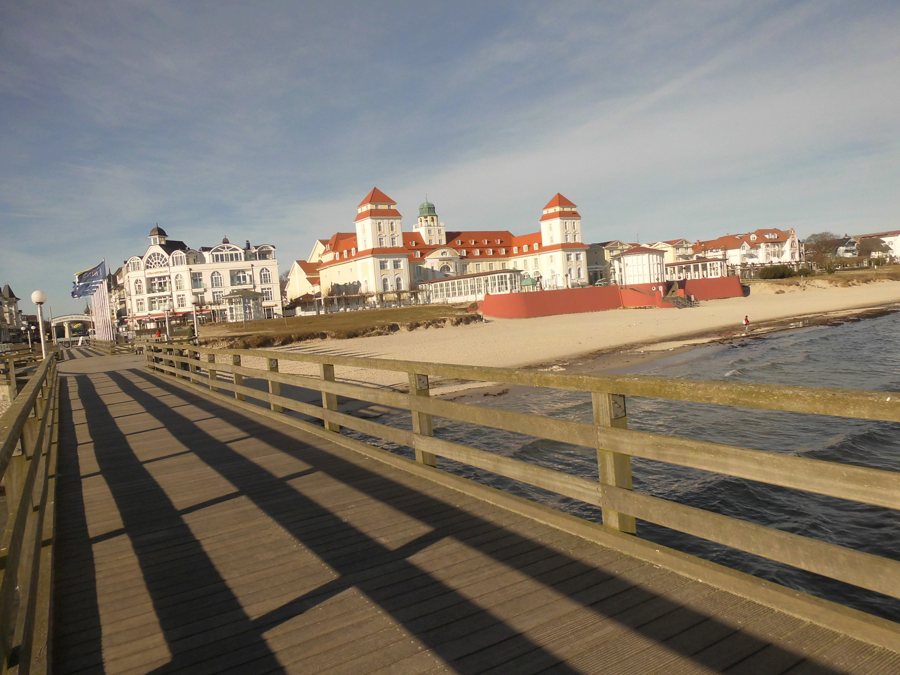 Blick von einer Seebrücke auf den Strand und die Gebäude des Ostseebads.
Photo: Bernd Hermann
Holiday properties on the Baltic Sea: key facts
- First decide whether your priority is personal use, renting to holidaymakers or living there permanently.
- Permitted use is determined by local planning regulations and the documents relating to the specific building.
- For a condominium, the community rules and resolutions also help determine how the apartment and shared areas may be used.
- In addition to the purchase price, allow for acquisition costs, ongoing charges, energy, maintenance and, where applicable, management or rental services.
- A holiday complex, an individual apartment and a detached house each involve different responsibilities and cost structures.
Choose a location that suits your day-to-day needs
A property near the promenade makes it easier to get to the beach, restaurants and events; in a quieter part of town, a garden, distance from neighbours or parking may matter more. A house inland offers a different setting from an apartment in a seaside resort and may mean longer journeys to shops, public transport and the coast. So compare more than just the straight-line distance to the water: consider access, parking, shopping and services you will actually need at the times of year you plan to be there.
On an island, seaside resorts, harbour towns and the hinterland differ in their infrastructure and seasonal rhythms. To get a feel for distances and the surrounding area, you could use a stay in Seebad Bansin as an example of a location. The accommodation there is in a town with a pier, promenade, cliffs and Schloonsee; a stay can help you see which location suits your own travel patterns and the times you plan to visit.
Keep personal use and letting separate
Before you start looking, note which months you would like to be there yourself and how often. This will shape your requirements for layout, storage, privacy, heating and access. If you plan to rent the property out, you will also need to consider your target guests, check-in, cleaning, laundry, key management and support between stays. An agreement with a rental agent or operator can bring some of these tasks together; the term, fees, termination provisions, pricing and periods reserved for your own use are set out in the specific agreement.
The building-law classification of holiday apartments depends on the area and its planning rules. Section 13a of the German Land Use Ordinance (Baunutzungsverordnung) assigns holiday apartments to different types of use depending on the type of area. For any specific property, therefore, the permitted use, relevant building documents and local requirements should be part of your purchase decision before you include projected rental income in your calculations. The purchase itself requires notarisation of the property purchase contract under Section 311b of the German Civil Code (BGB).
Compare documents and costs in full
The sales brochure should be accompanied by documents describing the specific property and its use: a current land register extract, cadastral map or site plan, building documents, details of approved alterations and verifiable evidence of the agreed use. For a condominium, the declaration of division, community rules, collection of resolutions, meeting minutes, budget and reserve fund balance add to the picture. These documents help clarify the boundaries of the apartment, common property, planned works and recurring obligations.
Set out one-off and annual costs side by side. In addition to the purchase price, acquisition costs include notary and land registry fees, property transfer tax, any estate agent’s commission and financing costs. Running costs include energy, insurance, charges, water, waste collection, service charges, management and maintenance. For holiday lets, list cleaning, laundry and booking commission separately. An annual overview shows how the finances differ between personal use and renting.
The condition of the building will also affect future expenditure. Have the roof, windows, pipes, heating, damp-proofing and shared facilities assessed in context. On the coast, wind, moisture and salty air are relevant local conditions for maintaining the building envelope. A survey of the property, together with specialist advice on financing, legal matters or tax if needed, provides a sound basis for your personal decision.
Individual property, holiday complex or new build?
An individual apartment or house offers flexibility in furnishing and planning your stays; owners arrange maintenance, repairs and guest support themselves or through appointed service providers. A holiday complex also involves shared property, service charges and possibly operator agreements. Read the rules on occupancy, personal use, structural alterations and shared facilities alongside the rental agreement. For a detailed overview of contracts and community documents, see the article on buying a holiday property in a Baltic Sea complex.
If you are considering a building plot or a new-build property, compare the plot’s location, utility connections, development plan, construction costs and the agreed specification. The page about Triller-Bau and holiday homes on the Baltic Sea introduces a regional provider and is marked as an advertisement. For your own comparison, refer to the plans, specifications and contract documents for the project in question.
Questions to ask the provider
A conversation is more useful when you explain how you intend to use the property and keep a record of the answers for that specific property. Ask about permitted use, available building and community documents, past maintenance, known upcoming work and recurring costs. If you intend to rent the property out, add operator terms, commissions, periods available for your own use and responsibility for damage to your list. For a new-build offer, also compare the building specification, what is included in the fixed price, the schedule, warranty and any included landscaping.
To compare properties, see the overview Holiday properties on the Baltic Sea by location and use: it places location, personal use, rental and ongoing costs in a regional context. For your specific choice, then use the documents for the individual plot, house or apartment as your basis.
Frequently asked questions about holiday properties on the Baltic Sea
Can any holiday apartment be rented to holidaymakers?
The key factors are the permitted use at the location and local planning rules; for condominiums, the community agreements and valid resolutions also apply. These documents should be consistent with your intended rental model.
Which costs should I include in the comparison?
In addition to the purchase price and acquisition costs, include financing, energy, charges, insurance, service charges, maintenance and management. Renting the property out may also involve costs such as cleaning, laundry and booking fees. Keep one-off expenses separate from regular annual costs.
What is the next formal step when buying a plot?
A property purchase contract must be notarised. Before the appointment, bring together the terms, the property documents and your intended use so that the draft contract reflects the specific purchase you plan to make.
