
Discover Czersk
Accommodation in Czersk
Nature Education and Architecture in Czersk
Czersk offers several points of interest to help you plan your trip: nature education, walks among old trees and architecture. You can decide whether to focus on plants and landscapes, architecture or outdoor activities. Ostrowski Square also has its own distinctive character, with its landmark and pedestrian promenade.
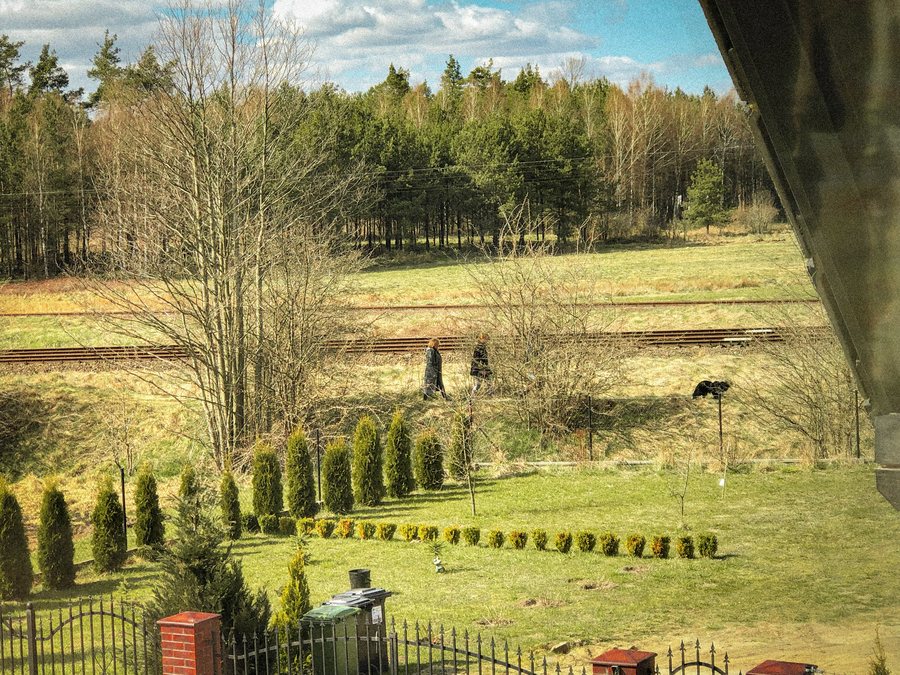
Experience Nature and Learn About Plants
The nature and forestry educational trail is located in the Czersk Forest District, at the district’s headquarters on the Czersk–Chojnice road. A nature and forestry exhibition room complements the trail. Information boards and exhibits help visitors identify trees, shrubs and other plants. This makes the trail a way to combine time outdoors with nature education: you can not only observe plants but also learn how to identify them. The trail is aimed primarily at school groups, but is also open to the wider public.
The Kociewski Park offers another option for a walk. There, you can stroll among trees that are more than 100 years old. The focus here is on the old trees; the educational trail, by contrast, centres on identifying plants and the nature and forestry exhibition room. If you are weighing up different nature-related interests for your trip, you can distinguish between these two options accordingly.
Borowiacki Park has a skate park, playgrounds and a suspension bridge with obstacles. These facilities cater to different interests in outdoor activities and recreation. The difference from Kociewski Park lies in the focus: there, old trees shape the walk; here, specific park facilities for exercise and play take centre stage.
The Square, the Church and Street Architecture
Ostrowski Square is home to the Trout Fountain, Czersk’s landmark, and a pedestrian promenade. Cultural events are also held in the square. It is therefore characterised by both a distinctive landmark and the promenade and cultural events.
Another cultural highlight is the church St. Mary Magdalene’s Church in Czersk. It was built between 1910 and 1913. Its tower has four bells; the largest weighs 1,400 kg. The Renaissance high altar features a painting by the Gdańsk painter Herman Han.
Kościuszki Street also offers an architectural point of interest: it is lined with historicist buildings and examples of Art Nouveau. Alongside the church, the architecture of a street thus provides another distinct theme.
Getting There and Choosing Other Places
Czersk has a railway station and a bus station. These are two practical details to consider when planning your arrival. If you are looking into travelling by train or bus, check which connections suit you based on your choice of route; both transport facilities are local landmarks.
For other places to consider: Parszczenica, Pawłowo, Konarzyny, Leśno, Rytel, Olszyny, Charzykowy and Swornegacie.
For the broader travel overview: Chojnice.

