
Grądzkie on Lake Gawlik: Street Village and Windmill Tower
Accommodation in Grądzkie
Grądzkie lies on the north shore of Lake Gawlik. The village brings together a clearly defined settlement form and a historic structure: a Dutch-style windmill tower built of stone and masonry in the late 19th century. Those who assess a place to stay not only by its location on the water but also by the shape of the settlement and its history will find several specific points of interest. The village’s history includes a founding charter from the 16th century and a severe plague outbreak in the early 18th century.
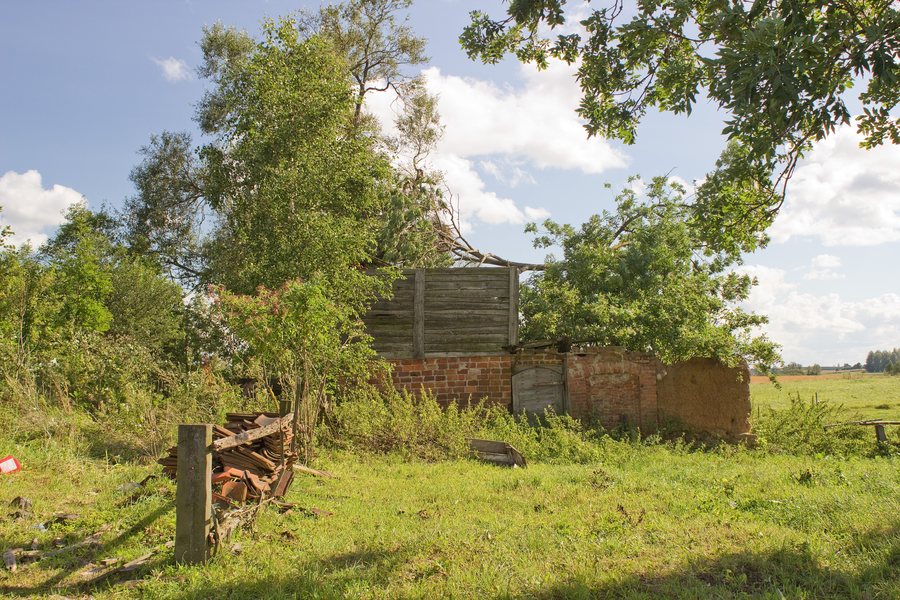
A street village on the north shore of Lake Gawlik
Grądzkie is a modified street village on the lake. The regular buildings stand along one side of the road; the lake lies on the other. The village is also situated on the north shore of Lake Gawlik. The settlement form and lakeside location answer different questions: the first describes the layout of the village, the second its position by the water. When choosing a holiday destination, those who consider the structure of a settlement as well as the landscape can weigh these two aspects separately. This gives a more specific picture than simply naming a lake.
The Dutch-style windmill tower
A Dutch-style windmill tower built of stone and masonry in the late 19th century stands in the village. The name links the type of mill with the shape of the tower; its materials and date of construction add specific architectural features to this description. This adds a second perspective to the spatial description of the street village: the building history of a particular tower. Its date clearly distinguishes the structure from the village’s founding in 1554. Those who want to learn about Grądzkie through its cultural details can view the settlement form and the structure as two distinct aspects of the village.
The founding charter and the plague years
On 10 February 1554, Maciej Junek of Grądzkie near Ełk received an order to found a village there on forty włókas. The village’s founding is thus tied to a specific day and a specific order; the windmill tower, dated to the late 19th century, belongs to a much later building history.
The plague years of 1709–1710 mark another particularly severe period in the village’s history. The plague claimed 143 lives in Grądzkie; according to the account passed down, almost the entire village died out as a result. The three historical reference points tell different stories: 1554 concerns the founding, 1709–1710 the effects of an epidemic on the population, and the tower a structure from a later period. This distinction traces the village’s history over several centuries without merging the events into a single narrative. It can deepen your perspective on Grądzkie as you plan your trip: alongside the lakeside location, there is a precise founding date, a severe turning point, and a specific architectural trace.
Considering Grądzkie as a travel destination
The village’s features can be considered in terms of two interests when choosing a travel destination: its location on the north shore and its street-village layout give a sense of place, while the tower and historical landmarks offer a cultural and historical perspective. This lets you weigh whether you would like to get to know Grądzkie primarily through its lakeside location or through its settlement and architectural history.
Discover more destinations: Sterławki Wielkie, Jeziorowskie, Pierkunowo, Strzelce, Wężówka, Orlowo, Kruklanki, Ryn.
For the broader travel overview: Giżycko.

