
Kalmar: castle, old town and trips to Öland
Kalmar brings together the history of a fortified Baltic Sea town and views across the Kalmar Strait to Öland. The castle, old town and museums make Swedish history tangible in the places where it unfolded; parks and the waterfront add to the experience. The city is ideal for a cultural getaway and also makes a good base for trips to the island.
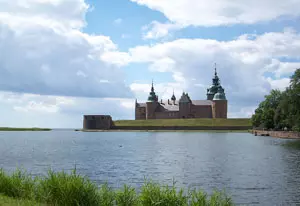 Das Schloss Kalmar
Photo: © nordlicht verlag
Kalmar at a glance
- Kalmar lies on the Baltic coast, on the Kalmar Strait opposite Öland.
- The castle stands on a small island near the old town.
- Kvarnholmen became the new city centre in the 17th century.
- The cathedral on Stortorget was completed in 1703.
- Kalmar County Museum features a major exhibition about the Kronan.
- The Öland Bridge connects Kalmar with the island and opened in 1972.
The castle and the Kalmar Union
The castle is the most striking place to discover Kalmar’s role in Nordic history. In 1397, the Kalmar Union was formed here, uniting Denmark, Norway and Sweden under a single crown. In the 16th century, the Vasa kings had the complex modernised; much of its present-day Renaissance appearance dates from that period. Permanent exhibitions tell the story of the castle and the Union, while temporary exhibitions and guided tours explore other topics. It is worth allowing more time for a visit than a quick look from the outside.
From the castle, head to the neighbouring old town. Its winding lanes and 18th- and 19th-century houses contrast with the more regularly laid-out centre on Kvarnholmen. Traces of medieval Kalmar lie beneath today’s buildings. To follow the city’s development, combine the castle, old town and remnants of the fortifications in one walk.
Kvarnholmen: cathedral, squares and city wall
The centre on Kvarnholmen took shape after Kalmar was relocated to this site in the 17th century. At Stortorget, the cathedral and town hall face each other. The cathedral was built to designs by Nicodemus Tessin the Elder and completed in 1703. Its Baroque architecture dominates the square, one of Sweden’s best-preserved Baroque squares. The surrounding streets feature both grand buildings and smaller houses.
Remnants of the city wall recall the time when Kvarnholmen was fortified. Parts of the structure can still be seen and walked along today. Västerport, the city gate completed in 1658, also marks the former entrance to the centre. The nearby city park was laid out in the late 19th century and offers a quieter stop among the historic buildings. The compact city centre is easy to explore on foot, linking the different sites rather than treating them as isolated attractions.
Museums and a trip to Öland
Kalmar County Museum focuses in particular on the Kronan. The Swedish warship sank off Öland in 1676, and the exhibition links recovered artefacts with the story of the ship and its crew. Other exhibitions explore regional culture and art. The museum adds a weatherproof option to a visit to the castle and a city walk.
The Öland Bridge is just over six kilometres long and runs from Kalmar to the island. It opened in 1972, replacing the former ferry service on this route. Even the drive across the strait makes Kalmar’s position between the mainland and the island clear. Destinations on Öland are spread over a large area: Borgholm is a gateway to the island’s northern part, while Mörbylånga lies in the south. Accommodation in Kalmar provides a base for exploring the city; Nybro is another destination in Kalmar County for trips inland.
Frequently asked questions about Kalmar
How much time should I allow for the sights?
Allow at least a full day for the castle, old town and Kvarnholmen if you also want to visit a museum. An extra day makes a trip to Öland possible, as not all the island’s destinations are close to the bridge.
What is the difference between the old town and the centre on Kvarnholmen?
The old town is right by the castle and retains its narrow lanes and older houses. Kvarnholmen was developed as the new centre in the 17th century, and its cathedral, Stortorget and city wall reveal a more deliberately planned, fortified town.
What can I do when it rains?
The castle and Kalmar County Museum offer exhibitions and indoor spaces. The castle presents Kalmar’s political history, while the museum explores, among other things, the story of the Kronan.
How do I get from Kalmar to Öland?
The Öland Bridge connects Kalmar with the island and is open to road traffic. Sights on Öland are spread far apart, so how much you can fit into a day depends on your destination and the transport options available.
