
Blekinge and Småland: Archipelagos, coast and Öland
Blekinge and Småland showcase two distinct sides of Sweden’s southeastern Baltic coast: in Blekinge, the landscape is shaped by archipelagos, island towns and Karlskrona’s naval history; farther north, coastal cities and islands meet the forests, lakes and Glass Kingdom of Småland. Öland adds limestone landscapes and a distinctive cultural landscape to the journey.
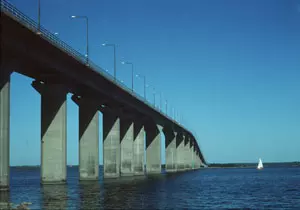 Ölandbrücke
Photo: © Ölands Turist AB olandsturist.se
Blekinge, Småland and Öland at a glance
- Blekinge: A coastal province in southern Sweden, with an archipelago, the towns of Karlskrona, Karlshamn, Ronneby and Sölvesborg, and the UNESCO Biosphere Reserve of the Blekinge Archipelago.
- Småland’s east coast: Coastal towns such as Kalmar and Västervik lie between archipelago waters and a hinterland rich in forests and lakes.
- Öland: Accessible via the Öland Bridge near Kalmar; the south is home to open limestone heaths and the cultural landscape of the Stora Alvaret.
- Maritime heritage: Karlskrona was founded as a naval town in 1680; its preserved harbour and town layout are a UNESCO World Heritage Site.
- The Glass Kingdom: In the hinterland between Kalmar and Växjö, historic glassworks continue a tradition dating back to the 18th century.
- Choosing your trip: For islands and time on the water, consider Blekinge; for urban history, Kalmar; for a landscape-focused trip, Öland and the Småland hinterland.
Blekinge: archipelago coast and naval city
Blekinge’s coastline is shaped by islands, bays and narrow waterways. The archipelago is a defining feature between Sölvesborg in the west and Karlskrona in the east; many outings combine a town visit with a boat trip. Places such as Sölvesborg and Karlshamn offer their own perspectives on harbour life, islands and southern Swedish coastal culture. If you’re looking for a stay focused on history and routes through the archipelago, accommodation in Karlskrona also makes a good base.
Karlskrona was established in 1680 as a Swedish naval base. The city is spread across several islands and still preserves the historic relationship between its harbour, fortifications, churches and planned city centre. The UNESCO World Heritage Site includes the naval installations and the associated urban development. The Naval Museum and historic sites offer insight into maritime history; a stroll through the centre complements a museum visit with squares, churches and views between the waterways.
Nature experiences are also easy to combine with a visit to Karlskrona. The ARK56 trail network runs through the Blekinge Archipelago Biosphere Reserve, linking hiking, cycling and kayaking routes. Commuter boats run year-round on weekdays from Karlskrona’s commercial harbour to Hasslö, Sturkö and Trummenäs; excursion boats from Fisktorget operate seasonally from May to the end of September. For a specific island visit, take the connection from Fisktorget to the Aspö landing at Drottningskär, served by the World Heritage tour. This means that islands accessible year-round and longer excursion routes are available in different seasonal windows.
Towns shaped by the coast, history and spa parks
Blekinge’s towns each have a different character. Ronneby combines the Ronnebyån river with a long spa tradition and the extensive Brunnspark. Strolling among parkland, water and historic buildings offers a different pace from the naval city. With its harbour and archipelago coast, Karlshamn is a good base for maritime excursions; Sölvesborg provides access to the coast farther west. You can plan a trip through Blekinge around the balance you want between sightseeing and time outdoors.
Karlskrona is especially suited to naval history and island routes, Ronneby to spa park and town history, Karlshamn to harbour and archipelago, and Sölvesborg to the western coast. Karlskrona C is about 200 metres from the centre and is served by Öresundståg trains from Malmö and Copenhagen and Krösatåg trains from Emmaboda; local and regional buses connect at the station, while the Kustbussen service to Kalmar departs from Kungsplan. For trips through the archipelago, year-round commuter boats leave from the commercial harbour and seasonal tours from Fisktorget. Karlskrona can therefore serve as a base for the city and selected island destinations, even without a car.
Småland’s east coast: coastal towns and a forested hinterland
Eastern Småland stretches from the coastal area around Kalmar and Oskarshamn north towards Västervik. Here, Baltic islands and archipelagos meet a hinterland of forests, lakes and smaller towns. The region is well suited to trips that combine different landscapes: a stroll through a historic coastal town can be paired with an outing to a lake, a glassworks or a nature area. The province has a long coastline, while its many lakes and nature reserves lie farther inland in Småland, making the contrast between sea and interior especially striking.
Kalmar is an important base on the southeast coast. Its historic old town, Kalmar Castle and museum give a visit a cultural focus. At the same time, the city lies on the Kalmar Strait, opposite Öland. Kalmar C has daily train connections to other parts of Sweden and to Copenhagen; regional and local buses run from Kalmar to coastal towns and the island. With accommodation in Kalmar, you can combine sightseeing in the city with trips to Öland. Farther north, coastal towns such as Mönsterås and Timmernabben, Oskarshamn and Västervik provide access to more islands and archipelago landscapes.
West of the coast lies the Glass Kingdom, known in Swedish as Glasriket. In several towns between Kalmar and Växjö, the glassblowing tradition has been kept alive since 1742. Kosta Glasbruk keeps its working glassworks open to visitors every day of the week; watching the work at the furnace can be a fixed stop on a trip through the interior. In the coastal region, by contrast, some island connections are concentrated in the summer season. To experience both, you can combine summer archipelago trips from Kalmar or Karlskrona with a separate inland leg through the Glass Kingdom; at other times of year, Kosta offers a specific highlight that is suitable year-round.
Öland: bridge, alvar and cultural landscape
The Öland Bridge runs for about six kilometres from Kalmar across the Kalmar Strait to Färjestaden; it is the direct route by car. Buses also run from Kalmar to the island, including services to Borgholm and Mörbylånga. The seasonal Dessi bicycle ferry connects Kalmar and Färjestaden, making the crossing itself part of a cycling trip. Kalmar is therefore a practical base for short visits to the island, while an overnight stay on Öland leaves more time to explore its southern landscapes. The island of Öland is long and varied: in the north and centre, coastal towns alternate with fields and small woods; the south is especially known for its open, limestone-rich landscape.
The Stora Alvaret covers about a quarter of the island. This largely treeless heath lies on limestone, with bedrock exposed in places or covered by only a thin layer of soil. Its plant and animal life is adapted to these special conditions, and grazing has been part of landscape management for centuries. Together with villages, fields and coastal pastures, the southern alvar forms an exceptional cultural landscape. Paths into the open landscape can be found at the access points at Vickleby, Station Linné and Möckelmossen; at Möckelmossen, an accessible path leads to a viewing platform.
When planning a day, it helps to think of the contrast between city and island: Kalmar offers a castle, old town and museums, while Öland has plenty of space for observing the landscape and walking through the alvar areas. If you’re touring the island, don’t treat the south as merely a place to pass through; allow time for viewpoints and trails. Access to individual nature areas is via designated paths and car parks, so you can experience this fragile landscape while staying on marked routes.
Which base is right for your stay?
Karlskrona is an obvious choice for culture and maritime history: the naval harbour, World Heritage Site, museum and island routes are closely connected in theme. If you’d also like to explore Blekinge’s western coast, you can add Karlshamn or Sölvesborg as another stop. Ronneby adds spa park and town history to the route.
Kalmar suits travellers who want to combine a historic city with a stay on an island. The bridge makes Öland easy to reach from there; on the island, you can focus on the southern Stora Alvaret, coastal towns or a longer tour. If you want to include as much nature and inland scenery as possible, allow more time in eastern Småland: the coast, lakes, forests and Glass Kingdom are all in the same region, but require different day-trip destinations. If time is short, it’s best to choose one main base and add one or two targeted excursions.
The ideal length of stay depends on how many areas you want to combine. A short visit can focus on Karlskrona and the archipelago, or on Kalmar and Öland. A longer trip is advisable for a tour of Blekinge, Småland’s coastal region and the inland Glass Kingdom, so that travel and visits don’t take up the entire day. In summer, excursion boats from Karlskrona’s Fisktorget and the Dessi ferry between Kalmar and Färjestaden supplement year-round transport options; outside the season, Karlskrona’s commuter boats and the road link to Öland remain available. With its glassworks open every day, Kosta Glasbruk makes a suitable inland stop even outside the summer ferry season.
Frequently asked questions about Blekinge, Småland and Öland
How do Blekinge and Småland’s east coast differ?
Blekinge is defined above all by its continuous archipelago and Karlskrona’s naval history. Småland’s east coast combines towns such as Kalmar and Västervik with islands; beyond them lie forests, lakes and the Glass Kingdom. Blekinge is especially suited to maritime city and island experiences, while Småland offers a combination of coast and inland scenery.
How can you get to Öland from Kalmar?
The Öland Bridge connects Kalmar with Färjestaden on Öland. You can therefore use Kalmar as a starting point for a day trip and then explore the island at your own pace. If you want to experience the southern alvar landscape, allow time for one of the signposted access points and trails in addition to the drive.
What is the Stora Alvaret?
The Stora Alvaret is an extensive limestone heath in southern Öland. Exposed bedrock, thin soils, distinctive plant and animal habitats, and traditional grazing all characterise the landscape. Access points at Vickleby, Station Linné and Möckelmossen lead visitors into different areas.
Which places are best for a history-focused trip?
Karlskrona offers insights into Sweden’s naval history and its UNESCO World Heritage Site; Kalmar adds an old town, castle and museums to the trip. In Ronneby, the spa park and historic town illustrate the development of another town in Blekinge. Depending on how much time you have, you can extend a route through these towns with island and nature excursions.
