
Uddevalla and Trollhättan: Seaside resort, waterfalls and locks
Uddevalla and Trollhättan connect Sweden’s west coast with the waterscape of the Göta älv. Uddevalla is known for its bathing history, harbor and Bohuslän culture; Trollhättan showcases waterfalls, locks and trails along the river.
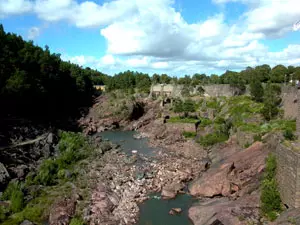 Trollhättan: Ehemaliger Wasserfall des Götaälv
Photo: nordlicht verlag
Uddevalla and Trollhättan at a glance
- Uddevalla: Bohusläns Museum features permanent exhibitions on regional history, changing exhibitions and contemporary art.
- Gustafsberg: This spa and bathing resort dates back to the late 18th century; historic bathhouses and a waterfront promenade shape the visit.
- Trollhättan: Along the Göta älv are the waterfall gorge, the lock areas and the Älvrummet nature and cultural area.
- Waterfall experience: In summer, the waterfall gates are opened at scheduled times; the City of Trollhättan publishes the dates.
- Locks: A walk south of the falls passes structures from around 250 years of lock history.
- Trip idea: Uddevalla is ideal for a museum and seaside resort, while Trollhättan is perfect for riverside scenery and industrial history.
Uddevalla: City history and Bohusläns Museum
Bohusläns Museum is a good place to start exploring Uddevalla. Its permanent exhibitions cover the history of the province of Bohuslän, alongside changing exhibitions, contemporary art, events and talks. You can tailor your visit to your interest in regional history or current art. Free admission also makes the museum an easy stop on a rainy day.
Combine the museum with a stroll through the town center and along the harbor. Uddevalla’s development has been closely tied to its harbor, commerce and waterside location. For a longer walk, take the waterfront promenade, which runs from Skalbankarna through the town center to Lindesnäs, linking wooded, urban and shoreline sections. Information boards along the way offer an overview of the landscape and the town’s history.
Gustafsberg: A historic seaside resort
South of the town center lies Gustafsberg, Sweden’s oldest seaside and spa resort. Its history stretches back to the late 18th century. Preserved bathhouses and historic villas recall the days when visitors came here to relax by the sea; the former boarding school adds to the area’s architectural history. Today, Gustafsberg is an especially lovely place for a peaceful walk among the buildings and along the shore.
The waterfront promenade is a central part of the visit and, according to the city, is easily accessible. A café and seasonal guided tours round out the outing. In summer, bus route 9 runs from the town center to Gustafsberg; the municipality lists four departures a day during the summer season. If you arrive by car, parking is available nearby, though spaces in the resort itself may be limited, especially in summer. Gustafsberg works well as a half-day outing in its own right or as a relaxed end to a museum visit.
Trollhättan: Waterfalls and riverside scenery
The Göta älv shapes the townscape in Trollhättan. In the Älvrummet area, the first thing you see is the rocky gorge, through which water rushes when the waterfall gates are opened. These openings take place at scheduled times in summer; the city publishes the latest dates. The annual city event Fallens Dagar takes place on the third weekend in July, combining the waterfall spectacle with concerts, family activities and more.
Älvrummet is worth visiting even when the waterfall gates are closed: the area brings together nature and industrial history. Walking south from the falls, you’ll pass several generations of lock construction and see different solutions for navigating the river side by side. Viewpoints such as Kopparklinten offer views across the town and river. Trails wind through slopes with old coniferous and broadleaf trees; some areas are part of a protected nature reserve. The city access points at Kopparklinten, Forngården, Olidehålan and Gamle Dal are useful landmarks for planning your walk.
A trip to Uddevalla and Trollhättan
The two towns offer different experiences, so they work well as separate day trips. Uddevalla is a good choice for a culture-and-coast day, with its museum, town center and Gustafsberg. Trollhättan offers a full day of exploring the waterfall gorge, locks and trails along the Göta älv. If you have limited time, choose one main stop in each town: Bohusläns Museum or Gustafsberg in Uddevalla, and Älvrummet in Trollhättan.
For a longer trip along the west coast, the guide to Gothenburg and Bohuslän puts the towns in their regional context. Other waterside stops, such as Lysekil on the Gullmarsfjord and the island destination of Marstrand, add harbors and archipelago scenery to the route. Choose a convenient base from accommodation in Uddevalla and make the town, its museums and coastal trails the focus of your stay.
Frequently asked questions about Uddevalla and Trollhättan
When can you see the waterfalls in Trollhättan?
The waterfall gates are opened on scheduled dates during the summer. Trollhättan’s city administration publishes the times; the waterfalls are a particular highlight of the Fallens Dagar program.
What can you do in Uddevalla on a rainy day?
Bohusläns Museum combines permanent exhibitions on regional history with temporary exhibitions and contemporary art. Its events program offers more reasons to visit.
How much time should you allow for Gustafsberg?
Set aside part of an outing for a stroll past the historic buildings and along the waterfront promenade. Add a café stop, a guided tour or a walk from the town center to make it a longer half-day visit.
