
Kristianstad: City History and Nature in Skåne
Kristianstad brings together a historic city centre and the Kristianstads Vattenrike wetlands along the Helge å river. Naturum, walking trails and museums are close to one another; to the south, Åhus and the beaches of Hanö Bay add coastal scenery and seaside resorts to a stay in the city.
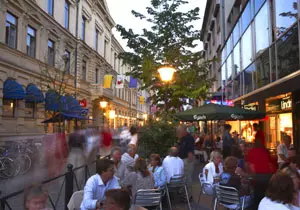 Innenstadt von Kristianstad
Photo: skane.com © sydpol.com/Business-Region-Skåne
Kristianstad at a glance
- Location: Northeastern Skåne, on the Helge å river and near the Baltic coast.
- Defining natural landscape: Kristianstads Vattenrike, a UNESCO-recognised biosphere reserve.
- City and nature: Naturum Vattenriket lies on the edge of the city centre and provides access to the wetlands.
- Coastal excursion: Åhus lies south of Kristianstad on Hanö Bay.
- City history: Heliga Trefaldighets kyrka was built from 1617 and inaugurated in 1628.
- Ideal for: A trip combining city sightseeing, wildlife watching and an excursion to the sea.
Vattenriket: wetlands, river and Naturum
The Helge å flows through Kristianstads Vattenrike on its way to the Baltic Sea. Along the river, wetlands and seasonally flooded meadows alternate with forests and sandy farmland. These diverse habitats define the region more than any single viewpoint: depending on where you visit, the focus may be birdwatching, open water, riverside paths or woodland.
A good place to start is Naturum Vattenriket, close to the city centre. The exhibition explains the area’s flora and fauna, while nature guides offer on-site insights into birds, fish and insects. The building stands on stilts over the water and has a rooftop terrace overlooking the city, the Strandängarna meadows and the Helge å. The upper floor also houses Bistro Årum and seating areas. For a short visit, you can combine Naturum with a walk along the river; if you want to spend longer outdoors, continue to one of the designated visitor sites in the biosphere reserve.
Kristianstads Vattenrike was recognised as a biosphere reserve in 2005. The area serves as a model region where nature conservation and sustainable development are considered together. For visitors, this approach is reflected in the accessible visitor sites: information boards, boardwalks and observation towers provide access to different landscapes, while marked trails also lead through wet areas. You can start with a short nature walk close to the city or plan a longer excursion into the surrounding area.
Historic city centre and museums
The city centre offers a clear contrast with the open natural landscape. A walk takes you to Heliga Trefaldighets kyrka, built during the reign of Christian IV. Construction began in 1617 and the church was inaugurated in 1628. Its cruciform layout, brickwork with sandstone details and richly decorated gables give the building its Dutch Renaissance style. You can combine a visit with a stroll through the central streets and squares.
To explore further, visit Regionmuseet Kristianstad, which has permanent exhibitions on the city’s history and the landscapes of Skåne. Kristianstads konsthall is in the same building and presents contemporary Swedish and international art. The Filmmuseet traces the international development of film through the early years of feature filmmaking in Kristianstad. Järnvägsmuseet is housed at the former Kristianstad Södra railway station; its exhibits include historic locomotives, carriages, station buildings and railway artefacts. The museums cover everything from local and landscape history to art, film and railways.
The church, city centre and a museum make a good itinerary for a compact day in town. If you are travelling without a car, Kristianstad C is the arrival point, with trains connecting the city to destinations including Malmö and Copenhagen. Naturum Vattenriket is close to the city centre and can be included in a walk. Plan a coastal trip to Åhus as a separate stop from the city centre and Naturum.
From the city to the Baltic coast
Kristianstad is close to Hanö Bay, but the city centre itself is not a seaside resort. For a day by the coast, head to Åhus, to the south. The Municipality of Kristianstad lists a total of 21 seaside bathing spots along 42 kilometres of coastline, as well as eight swimming spots by lakes. This makes it easy to combine a stay inland with a beach visit.
In Åhus, the main attractions are its bathing spots and historic town centre. If you would rather explore rural nature and cultural destinations, Fjälkinge and Degeberga are two other places in the surrounding area. Kristianstad is a convenient complement for culture and nature, while your choice of place to stay or visit depends on what you want to focus on.
The overview Kristianstad with Naturum, museums and a historic cityscape brings together accommodation in the city. It is particularly useful if you plan to make city walks and a visit to Vattenriket the starting point for your stay.
Frequently asked questions about Kristianstad
What can you combine in Kristianstad in one day?
A walk to Heliga Trefaldighets kyrka and around the city centre pairs well with a visit to Regionmuseet or Filmmuseet. Naturum Vattenriket adds river scenery and wetlands to the day. Plan a separate trip to Åhus for the beach.
Where should I start my visit to the biosphere reserve?
Naturum Vattenriket, close to the city centre, is an engaging place to start. The exhibition and nature guides explain the landscape and its wildlife; from there, you can choose other visitor sites in Vattenriket.
Is Kristianstad itself a Baltic seaside resort?
Kristianstad is an inland city on the Helge å river. The Baltic coast and the municipality’s bathing spots are outside the city centre; Åhus is a good base for exploring the coastline along Hanö Bay.
