
Discover Læsø: coast, seaweed-roofed houses and island history
Læsø is a low-lying island in the Kattegat between North Jutland and Sweden. A visit combines expansive beaches and dunes with Rønnerne, historic seaweed-roofed houses and the saltworks. The ferry departs from Frederikshavn; on the island, you can get between towns and natural areas by bicycle, bus, on foot or by car.
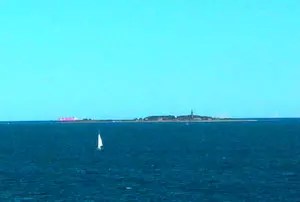 Insel Læsø
Photo: © nordlicht verlag
Læsø at a glance
- Location: An island in the Kattegat, northeast of the Jutland coast.
- Getting there: The ferry runs from Frederikshavn to Vesterø Havn; the crossing takes around 90 minutes.
- Island size: Læsø is approximately 21 kilometres wide and around 12 kilometres from south to north.
- Landscape: Beaches, dunes, heathland, forests and the salt marshes of Rønnerne shape different parts of the island.
- Culture: Seaweed-roofed houses and the traditional saltworks tell the story of the island.
- Getting around: Bicycle, island bus, walking trails and roads connect Vesterø, Byrum and Østerby with places to visit.
An island in the Kattegat
Læsø lies far out in the Kattegat and is part of Denmark. The sea shapes both the journey there and the views of the landscape: along the coast, open sandy beaches alternate with low dunes and sheltered areas. Heathland and forests lie inland. This variety makes Læsø a destination for nature holidays as well as cultural and cycling trips.
The island is small enough to visit several places on one trip, yet large enough to offer a range of day excursions. Vesterø Havn is where the ferry arrives and a starting point for exploring the west. Byrum lies in the centre and is a hub for everyday island life. In the east, Østerby Havn is another port, with its own coastal character. Choose accommodation based on whether you prefer to be near the ferry port, centrally located or in the eastern part of the island. A stay on Læsø can be combined with excursions around the island.
Ferry crossings and getting around the island
The Læsø ferry connects Frederikshavn with Vesterø Havn. The crossing takes about 90 minutes. Departure days and times vary by travel date; timetables list services for individual days. If you are travelling by car, arrange to take your vehicle when making your reservation. You can also cross as a foot passenger or with a bicycle. Before or after your crossing, consider a stop in Frederikshavn, the port town on the mainland.
On Læsø, the main towns lie along the island’s central route between Vesterø and Østerby. The cycle route connecting the two ports is about 18 kilometres long. Detours to the saltworks, Byrum or the dune plantation make for a longer day’s ride. Island buses run from the ferry terminal along the main road, and some services are timed to meet the ferry. If you bring a bicycle or hire one locally, you can combine bus journeys with cycling.
A car makes it possible to reach more distant coastal spots in a single day. By bicycle, you can take your time on the flat island and stop at beaches, in towns and on trails through forest or heathland. For walking, there are individual circular routes and coastal stretches; for longer hikes, connect your starting and finishing points by bus or bicycle. Depending on your stamina and the weather, you can explore the island at your own pace.
Rønnerne and the open coastal landscape
Rønnerne in the south is a vast, protected landscape of beaches and salt marshes. Low-growing vegetation, waterways and wide-open skies shape the view. The area is best explored on foot along its trails. The landscape is closely linked to salt production: saline groundwater was extracted here and processed nearby.
Choosing the right route is key to your visit. A short loop lets you experience the breadth of the meadows and the transition between land and sea. If you plan to be out longer, bring water and weather protection, and allow plenty of time for the return journey. There is little shade in the open areas, and the wind can affect how warm it feels. Nature reserves are habitats for plants and birds; staying on marked paths helps protect sensitive areas.
The west and east coasts also offer different experiences. Vesterø Strand stretches south of the harbour, where the water is shallow. Østerby Strand lies west of the harbour, and the water gets deeper quickly. Choose a stretch of coast to suit your preferred water depth. Between the towns, open beaches alternate with dunes and forest. A day on the island can combine swimming, a walk and a taste of island culture.
Seaweed-roofed houses: architecture made from seagrass
The seaweed-roofed houses are among the most distinctive reminders of the island’s history. Their roofs are made of thick layers of seagrass—specifically, washed-up eelgrass (Ålegras)—which is dried and secured using traditional building techniques. The material was readily available along the coast and became a distinctive roofing solution for the island. Many of the surviving houses are private homes and can therefore only be viewed from the outside.
Routes featuring the seaweed-roofed houses take in buildings in different conditions and stages of restoration. Museumsgården and Hedvigs Hus offer insight into the building techniques through their historic houses and interpretation of the craft. A walk around Byrum and the surrounding paths can link the seaweed-roofed houses with other cultural sites. Check museum opening hours when planning your day, as opportunities to visit the interiors depend on what is open.
The roofs also reflect how Læsø has changed over time. For centuries, the island depended on what its coast and sea could provide. Shipping, fishing, farming and salt production shaped daily life; the seaweed roofs tell of the ingenuity used to adapt to these conditions. Restoration work keeps knowledge of the materials and techniques alive. Look beyond the houses as photo opportunities, and you’ll see them as a distinctive part of the island’s cultural heritage.
Salt, museums and island towns
The Læsø Saltworks bring the island’s former salt production to life. Visitors can see how salt is extracted from saline groundwater by heating it. Salt was produced here for several centuries, affecting the demand for fuel and, in turn, the landscape. Today, the saltworks present this story as both a craft and a part of the island’s history. A visit pairs well with Byrum and a detour to see the seaweed-roofed houses.
Byrum makes a convenient central base for errands and short trips to cultural sights. One of its notable landmarks is the village church; there is also an observation tower with views across the island. Vesterø combines the ferry port, coastline and walking routes in the west. Østerby, the port town in the east, is a good choice for a day focused on the coast and harbour life.
When planning, it can help to group activities by location: visit Rønnerne and the saltworks one day, the west coast and Vesterø another, and the eastern part of the island, including Østerby, after that. If your stay is short, combine one cultural site with one natural area. This leaves time to appreciate the routes and changing landscape. An extra stop at a beach can also break up a longer bike ride.
When is the best time to visit?
In summer, the days are long, making it easy to combine swimming breaks with bike rides and museum visits. In the cooler months, walks, birdwatching, island history and quiet stretches of coast take centre stage. Opening hours, bus services and ferry timetables vary by date and season, so it is best to plan your day around the published times for your travel period. Wind and rain affect how long it is comfortable to stay along exposed stretches of coast.
Læsø is especially suited to travellers who want to experience nature and culture without a packed sightseeing schedule. A bike ride with a few chosen stops, a museum visit and some time at the beach make for a varied day. For more destinations along Denmark’s Kattegat coast, the guide to accommodation in North Jutland is a useful starting point for planning your trip.
Frequently asked questions about Læsø
How do I get to Læsø?
The ferry runs from Frederikshavn to Vesterø Havn. The crossing takes around 90 minutes. Departure and arrival times depend on your travel date; you can travel with a car or bicycle, or as a foot passenger.
How do you get around Læsø?
You can explore the island by bicycle, car, on foot and, for some journeys, by bus. A cycle route of about 18 kilometres connects Vesterø and Østerby. For places away from the main route, combine the bus with a bicycle ride or walk.
Where can I see the seaweed roofs?
Seaweed-roofed houses can be found in several places on Læsø and viewed from the outside along designated routes. Museumsgården and Hedvigs Hus also explain the building techniques as part of their visitor offerings. Be sure to check their opening hours when planning your day.
What is Rønnerne?
Rønnerne is a protected landscape of beaches and salt marshes in the south of the island. Trails take visitors through the open areas and past traces of the former salt production. It is a good place for walks and nature watching.
Can I visit Læsø in a day?
A day trip is possible if the ferry times fit the island route you have in mind. Travelling between the ports and visiting attractions takes time, so choose just a few stops, such as the saltworks and Byrum or a stretch of coast. A longer stay is better suited to exploring several parts of the island and visiting museums.
