
Frederikshavn: ferries, history and the beach
Frederikshavn combines ferry travel across the Kattegat with a distinctive waterfront, a rich history and a wide sandy beach. During your stay, explore the old fishing quarter, visit Krudttårn and spend some time at Palmestranden; ferries connect the city with Gothenburg and Læsø.
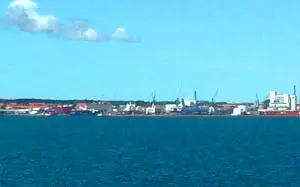 Blick auf Frederikshavn
Photo: © nordlicht verlag
Frederikshavn at a glance
- Location: A port city in North Jutland on the Kattegat, on Denmark’s northeastern coast.
- Ferries: Connections to Gothenburg and Læsø make the port a starting point and destination for trips across the Kattegat.
- City history: Fiskerklyngen preserves the lanes and small houses of the former fishing village of Fladstrand.
- Landmark: Krudttårn is part of the Fladstrand fortress and reflects the port’s strategic importance.
- Beach: Palmestranden offers sand, beach volleyball and a playground; the palm trees return from their winter quarters in May.
- Day-trip option: Bangsbo adds a museum, green spaces and woodland trails to your city walk.
A port city on the Kattegat
The port has shaped the city for centuries: Fladstrand began as a fishing settlement, and its sheltered location on the Kattegat made the coast important for trade and defense. Today, ferries, the fishing harbor and the city center all meet here. If you arrive by ferry, you can reach the city center quickly and start exploring on foot, with a glimpse of the city’s maritime character.
The crossing to Gothenburg takes around three and a half hours. It’s a convenient route between North Jutland and Sweden’s west coast, whether you’re traveling with a car or on foot. The ferry to the island of Læsø also departs from Frederikshavn. Læsø lies out in the Kattegat and is known for its seaweed-thatched houses and peaceful island landscape. Timetables vary by date and season, so if you’re planning a day trip, check the ferry times first and then plan how much time to spend in the city and at the beach.
A crossing to Gothenburg takes you to a larger Swedish port city, while Læsø offers an island stay with different scenery and architectural traditions. Frederikshavn itself makes a good stopover if you’d like to combine your journey with a city stroll or a visit to the beach.
Fiskerklyngen and Krudttårn: history in the city
Fiskerklyngen offers a glimpse into Frederikshavn’s origins as the fishing village of Fladstrand. The small 18th-century houses line the lanes of the city’s oldest quarter. A stroll through the neighborhood reveals a contrast between the modest homes and the large harbor that later came to define the city. The houses and lanes themselves tell the story, making this area easy to explore on foot.
Krudttårn, or the Powder Tower, is a striking part of the Fladstrand fortress. Its history is tied to the defense of the sea routes between Denmark, Norway and Sweden. The town’s defenses were expanded in the late 17th century, and the tower recalls a time when Frederikshavn’s position on the Kattegat was of particular military and commercial importance. Together with Fiskerklyngen, it forms a historic walking route from everyday life in the former fishing village to coastal defense.
If you have more time for culture and scenery, you can extend your walk to include Bangsbo. The museum there and the surrounding green spaces offer a different focus from the harbor and fortress history in the city center. Woodland trails are ideal for a stroll, and the Pikkerbakken viewpoint looks out over the landscape. If your stay is shorter, Fiskerklyngen and Krudttårn make a compact choice.
Palmestranden: swimming and activities
Palmestranden is a landscaped sandy beach north of the city center. Its palm trees spend the winter in municipal greenhouses and return to the beach in May. The palms are therefore a seasonal feature, while the sand, bathing area and beach facilities make this a worthwhile spot at any time. Beach volleyball courts invite you to get active, and the “Junglen” playground is next door. Families can enjoy time at the beach and play in the same place.
For a relaxing beach visit, there are broad stretches of sand and small sheltered spots. During the season, a lifeguard tower is set up, and flags indicate when lifeguards are on duty. Palmestranden works best as a separate part of your day: explore the historic lanes and Powder Tower first, then spend a longer stretch of time by the water.
For your stay in the city, browse our selection of accommodation in Frederikshavn. If you’d rather focus on the beach and nature north of the city, consider staying in Skagen. The historic port city of Gothenburg can also be part of your trip via the ferry connection. For an island getaway, find more information about Læsø in the Kattegat.
Frequently asked questions about Frederikshavn
What should I see first in Frederikshavn?
For a short visit, take a walk through Fiskerklyngen and on to Krudttårn. The route links the oldest residential streets with the history of the fortress and harbor. If you have more time, add Bangsbo or a visit to the beach.
Which ferries depart from Frederikshavn?
Stena Line connects Frederikshavn with Gothenburg; the crossing takes around three and a half hours. The Læsø ferry runs from Frederikshavn to the island. For your trip, check the departure days and times for your specific travel date.
When are the palms at Palmestranden?
The palms spend the winter in the municipality’s greenhouses and return to the beach every year in May. The beach volleyball courts, playground and sandy beach are also great reasons to visit, whether or not the palms are there.
How can I combine the harbor and beach in one day?
Start with Fiskerklyngen and Krudttårn in the city center, then set aside time for Palmestranden. This keeps the city’s history, harbor atmosphere and time for swimming as distinct parts of your day.
