
Nyköping: river, history and archipelago
Nyköping lies on Sweden’s Baltic coast and combines a compact city centre with the Nyköpingsån River, a long history and excursions into the archipelago. If you’d like to bring together culture, waterside walks and destinations in nature, it makes a good base for exploring Södermanland.
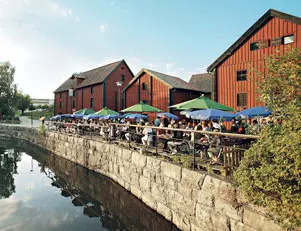 Hafen von Nyköping
Photo: © nykoping.se
Nyköping at a glance
- Location: A coastal town in the Swedish province of Södermanland; the Nyköpingsån River shapes the urban landscape on its way to the Baltic Sea.
- History: The oldest traces of settlement date back to the 12th century. Nyköpingshus developed from a medieval castle.
- Townscape: Riverside paths, squares and older streets link the city centre with cultural sites and harbour areas.
- Nature excursion: Stendörren offers access to the archipelago even without your own boat; prehistoric rock carvings can be found by the river at Släbro.
- Pace of travel: The city centre and Nyköpingshus are ideal for a dedicated city visit; nature destinations can be planned as additional excursions.
The river, city centre and waterside paths
The Nyköpingsån flows through the centre and heads towards the coast. This makes it easy to combine a city walk with views of the water and historic architecture. The city centre is a practical focus for a shorter visit: squares, shops, cafés and cultural attractions are all close together in a compact urban setting. If you have more time, continue your walk along the river towards the harbour and Stadsfjärden.
Nyköpingshus and the town’s history
Nyköping has a long history: the municipality dates the oldest traces of settlement to the 12th century. A fortification at the mouth of the Nyköpingsån was expanded into a castle in the 13th century. In the Middle Ages, the town was an important Baltic port. Nyköpingshus is closely linked to the history of the Swedish crown; it is best known for the Nyköping Banquet of 1317, when King Birger had his brothers Erik and Valdemar imprisoned.
In the 16th century, Duke Charles had the complex rebuilt as a Renaissance castle. Fires and the destruction of the town in 1719 shaped its later development. Today, the surviving castle grounds bring this eventful past to life in the townscape. Together with churches, older houses and streets along the river, Nyköping offers plenty of points of interest for a history-focused walk. If you’d like to learn more about the dramatic events, start your route at the castle and then explore the city centre and its historic sites.
Archipelago nature and prehistoric traces
Stendörren is a great choice for a day in nature. This nature reserve showcases the archipelago, with islands, coastal trails and crossings over suspension bridges, making it possible to experience the island landscape without your own boat. The on-site Naturum visitor centre offers insights into the Baltic Sea. Walkers can combine their visit with time by the water and views of the islands offshore. The accommodation overview for Nyköping and the surrounding area can help you choose a base for exploring both the town and the coast.
Släbro on the Nyköpingsån offers a different perspective. Around 330 prehistoric carvings have been documented on the rocks there. The site combines a landscape experience with a tangible glimpse into the region’s long history of settlement. Nyköpingshus and Släbro offer distinct points of interest: the castle tells the story of power and the town’s history, while the rock carvings reveal much earlier ways of life. For other nearby coastal destinations, consider Oxelösund on the edge of the archipelago and Norrköping with its urban setting as separate excursions.
Getting there and choosing how long to stay
Nyköping lies on the E4 motorway, connecting it by road to the coastal region of southern Sweden. The town works equally well as a stop on a longer trip around Sweden or as a base for several days if you plan to explore the coast and surrounding area. For a short visit, focus your walk on the river, city centre and Nyköpingshus. With extra time, add Stendörren or Släbro as separate destinations. If you’re continuing along the coast, you can combine Nyköping with Söderköping and Sankt Anna, where the focus shifts more towards canals and archipelago landscapes.
When choosing where to stay, consider how the location will shape your day: accommodation in town keeps cultural attractions and amenities close at hand, while a base outside the centre may be better suited to longer trips into the surrounding area. Nyköping is therefore an especially good choice if you’d like to combine town history with nature and the coast.
Frequently asked questions about Nyköping
What can I see on a short visit?
You can combine a walk around the city centre with the Nyköpingsån River and Nyköpingshus. This gives you a sense of the town’s history without having to plan an additional excursion.
Can I experience the archipelago near Nyköping without my own boat?
Yes. In Stendörren Nature Reserve, suspension bridges lead from the mainland to the nearest archipelago islands. Trails and the Naturum visitor centre add to the experience on land.
What’s the difference between Stendörren and Släbro?
Stendörren is known for its coastal scenery, island views and trails through the archipelago. Släbro combines the Nyköpingsån River with prehistoric rock carvings. Both destinations add a distinct focus on nature or history to a town visit.
