
Christiansfeld and Hejlsminde: World Heritage and the Little Belt
Christiansfeld can be explored on a walking tour through a carefully planned town: the church square, straight streets and houses of the Moravian Church make its history visible in the town plan. Exhibitions at Søstrehuset offer a deeper look. If you would also like to make time for coastal air and a swim, add Hejlsminde on the Little Belt to your stay.
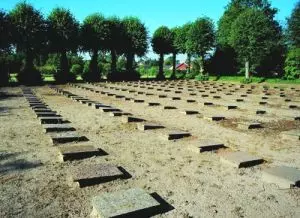 Christiansfeld an der dänischen Ostsee
Photo: © Ireneusz Cyranek/VisitDenmark
Christiansfeld at a glance
- World Heritage: Since 2015, Christiansfeld has been part of the UNESCO World Heritage Site comprising Moravian Church settlements.
- Town plan: The central church square and regular street grid make it easy to find your way around.
- History: The town was founded in 1773 at the instigation of King Christian VII of Denmark as a centre for the Moravian Church.
- Museum: Søstrehuset presents the history of the town and the congregation; admission includes a digital tour.
- Visiting: Søstrehuset combines local history with changing special exhibitions and a digital tour.
- Admission: Adults pay DKK 80; admission is free for children and young people under 18.
- Coastal getaway: Hejlsminde complements a cultural visit with a beach and nature trails on the Little Belt.
A World Heritage walking tour of the town
Start at the church square and take time to notice the layout of the streets and the community buildings surrounding the centre. Christiansfeld was established as a planned settlement of the Moravian Church. Its layout brings together homes and communal buildings with central facilities, making the ideas behind the town clear as you walk. The town plan offers a better understanding of how everything fits together than a succession of individual façades.
Christiansfeld is part of a transnational UNESCO World Heritage Site encompassing several Moravian Church settlements. The historic townscape is the best starting point for a visit. A walk through the streets can be combined with a visit to Søstrehuset, where exhibitions tell the story of Christiansfeld and the Moravian Church. Museum admission includes a digital tour. A guided town walk offers an additional, connected introduction to the town’s history. The tour published for 2026 lasts an hour and a half, is conducted in Danish and starts at the fountain in the church square.
Søstrehuset, Gudsageren and the garden
At Søstrehuset, you can explore the origins and everyday life of the congregation in greater depth. The exhibitions bring the streets and houses together into an understandable whole and place the town’s religious and communal ideas in their historical context. From January to May, Søstrehuset is open Tuesday to Sunday from 10 am to 4 pm and closed on Mondays; it is open on Easter Monday. In June, the museum is open daily from 10 am to 4 pm, and in July and August, daily from 10 am to 5 pm. From September to December, it is open Tuesday to Sunday from 10 am to 4 pm. The last opening day in 2026 is 22 December; the museum is closed between Christmas and New Year. Adults pay DKK 80, while visitors under 18 are admitted free. A digital tour is included with admission.
Christiansfeld gingerbread is a local speciality. A taste of it adds a regional treat to your walking tour.
Hejlsminde, a coastal destination on the Little Belt
Hejlsminde lies east of Christiansfeld on the Little Belt and makes a great coastal stop in your day’s itinerary. The local beach is close to the harbour and the former seaside hotel. Fine sand and shallow water define the bathing beach, which also has a bathing jetty, a ramp into the water, toilets, a kiosk and a small playground. The exact water depth varies with the wind and weather. The beach is ideal for spending time by the water, while the harbour offers a glimpse of the maritime life along the Belt.
If you feel like a walk afterwards, you can follow the route around Hejls Nor. The trail passes through a natural area where you may spot white-tailed eagles and marsh harriers; orchids bloom in early summer. This makes a striking contrast with the architectural walk in Christiansfeld: first, the symmetrical town plan and its history, followed by coastal scenery and nature on the Little Belt.
There is free parking in Christiansfeld for visitors arriving by car. The historic town centre has cobblestones and uneven levels; step-free access to Søstrehuset is via a ramp at the west gable, and there is a lift inside. This makes it easy to plan your museum visit around local routes. The area’s coastal destinations and historic towns can also be planned as separate excursions: Kolding adds another town on the Belt to your trip, while Haderslev offers an old town and a fjord. For a broader overview of museums and places to visit, see Things to do in Southern Jutland.
Accommodation and planning your day
If you are looking for a place to stay near the historic centre, start with the accommodation options in Christiansfeld. This lets you fit the museum, a town walk and a visit to the gingerbread bakery into your time in town, and plan your trip to Hejlsminde separately. If you are visiting several places along the Little Belt, choose accommodation based on its location in relation to Kolding, Haderslev or the coastal areas.
Christiansfeld is above all a cultural destination, whose appeal lies in its cohesive town plan and the history of the Moravian Church. Hejlsminde complements the visit with a beach, harbour and nature experiences. Together, the two places make for a varied trip if you set aside separate blocks of time for the town’s history and the coast.
Frequently asked questions about Christiansfeld
What makes Christiansfeld a UNESCO World Heritage Site?
The carefully planned settlement of the Moravian Church is considered an outstanding example of its town planning and communal architecture. The church square, orderly streets and historic community buildings reveal what makes it special as you explore on foot.
Which places should I visit in Christiansfeld?
Combine the church square and historic streets with a visit to Søstrehuset. Depending on how much time you have, you can also visit Gudsageren and Comeniushaven, and try some traditional gingerbread.
What does Hejlsminde offer visitors?
The town has a beach with fine sand and shallow water close to the harbour. A bathing jetty, ramp, toilets and playground add to the facilities, while paths around Hejls Nor lead through a natural area.
How can I combine Christiansfeld and Hejlsminde?
Make the historic walking tour and Søstrehuset your first focus, then add a beach visit or nature walk in Hejlsminde. Allow a separate block of time to visit both places.
