
Turku / Åbo: A city on the Aura River and gateway to the archipelago
Turku, also known as Åbo, brings together the medieval center on the Aura River and the archipelago off Finland’s southwest coast. The castle, cathedral, and market hall define the city center; on Ruissalo, botanical gardens, oak groves, and seaside paths take turns. This makes it easy to plan a visit around culture, nature, and the time you have available.
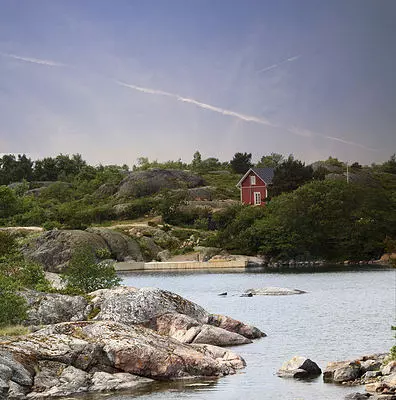 Schären vor Turku in Finnland
Photo: © Archipelago-®TurkuTouring
Turku / Åbo at a glance
- Turku lies on the Aura River in southwest Finland.
- Turku Castle has stood on the banks of the Aura since the 1280s.
- The cathedral and castle are the endpoints of a 4.1-kilometer accessible city route.
- Completed in 1896, Turku Market Hall brings together food shops, bakeries, cafés, and restaurants.
- Ruissalo can be reached by land or water; in summer, Föli water buses run from the Aurajoki to the island.
- The Botanical Garden on Ruissalo features more than 5,000 plant species and varieties.
Connecting the old town and the Aura River
The Aura is a useful guide for a first walking tour. On its eastern bank are the cathedral, university, and Old Great Square; Turku Castle stands across the river. Bridges and riverside paths link these historic sites into one continuous route. The “City Stories from Turku” route connects the castle and cathedral over 4.1 kilometers and is accessible. It’s a good choice if you want to visit the central sights on foot along a set route.
The cathedral was consecrated in 1300. It will be closed to the public from February 9, 2026, to December 2, 2028, for extensive renovation work. At the western end of the route, the castle stands by the river. It has guarded the Aura since the 1280s. You can therefore plan a riverside view of the exterior and a museum visit as separate activities.
Luostarinmäki and Aboa Vetus Ars Nova offer other ways to explore the city’s history: Luostarinmäki preserves a wooden house district, with buildings in their original locations; Aboa Vetus Ars Nova combines archaeological finds with contemporary art. Completed in 1896, the Market Hall adds a stop for food shops, bakeries, cafés, and restaurants. This way, you can alternate between architecture, exhibitions, and food culture without leaving the city center.
Ruissalo: gardens, island paths, and coastline
Ruissalo brings nature and culture close to the city center. The island was once the court’s hunting ground in Turku and is now known for its oak forests, 19th-century villas, natural areas, and Botanical Garden. Its greenhouses and outdoor areas feature more than 5,000 plant species and varieties. The garden is well suited to a shorter visit focused on plants, while the island paths and coastal stretches offer a full day in nature.
For walks, Visit Turku lists routes such as the 8.7-kilometer Kansanpuisto Trail and the 9.5-kilometer Kuuva Trail. The routes offer different highlights and pass cultural sites, parkland, and coastal scenery. If you’re planning to walk, you can choose one route for a dedicated outing. For a shorter visit, combine the Botanical Garden with a stretch of the promenade. In summer, you can plan to take the Föli water bus between the Aurajoki and Ruissalo as your outbound or return journey; the island can also be reached by land.
The city center and Ruissalo outings are more or less convenient depending on where you stay. Places to stay in Turku can help you compare central locations and travel bases. For other destinations in the archipelago, Taivassalo offers a different focus, with its stone church, manor museum, and historic routes.
Ferry port and travel connections
Turku’s waterfront location also shapes how you get there. The port is just over three kilometers from the center and can be reached on foot or by Föli bus. Ferries connect Turku to Stockholm via Mariehamn. If you’re including Sweden’s capital in your trip, you can plan the two port cities as consecutive stops; our article on Stockholm introduces the city and its archipelago areas.
The western Baltic coast also has its own ferry ports and seaside resorts. Travemünde, at the mouth of the Trave, offers a contrast with its beach promenade, port traffic, and Priwall. If you’re planning a longer Baltic Sea route, you can consider Turku and Travemünde as distinct port destinations and shape your stays around your arrival point and itinerary. Departures depend on the route and travel date.
Frequently asked questions about Turku / Åbo
How can you explore the old town on foot?
The accessible “City Stories from Turku” route connects the castle and cathedral over 4.1 kilometers. Luostarinmäki, Aboa Vetus Ars Nova, and the Market Hall add a range of historical and cultural themes to the walk.
What does Ruissalo offer for a day trip?
Ruissalo brings together a botanical garden, island paths, oak forests, and coastline. For a longer hike, you can choose the 8.7-kilometer Kansanpuisto Trail or the 9.5-kilometer Kuuva Trail, among others; the Föli water bus also runs to the island in summer.
What is the connection between Turku and Åbo?
Turku is the Finnish name for the city, and Åbo is its Swedish name. Travelers encounter both names in the bilingual coastal region of southwest Finland.
