
Bornholm Art Museum: Art and Coastal Architecture
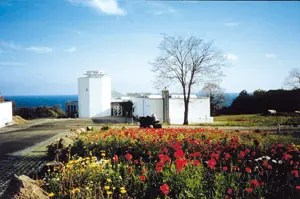 Bornholms Kunstmuseum
Photo: © Destination Bornholm (alle)
Bornholm Art Museum at a glance
- Location: at Helligdommen, around six kilometres north of Gudhjem, above the Helligdom Cliffs.
- Collection: Art and crafts connected to Bornholm, including works by the Bornholm School of Painters.
- Building: Opened in 1993 and expanded in 2003; its three levels follow the sloping terrain.
- Architecture: The museum was designed by Johan Fogh and Per Følner; skylights and carefully positioned windows bring Bornholm’s distinctive light into the galleries.
- Combination: The museum, its grounds and the Helligdom Cliffs make for a cultural and nature outing all in one place.
- Paths: A path leads from the museum down to the coast; the steps to the rocks are steep.
Discover art connected to Bornholm
The collection explores art and crafts associated with Bornholm. A major focus is the Bornholm School of Painters: its artists made the island’s changing light, rocky coastline and towns recurring subjects in their work. The museum offers a glimpse into how Bornholm’s landscape and everyday life are expressed in paintings and craftwork. Special exhibitions broaden the programme with further perspectives on art, design and crafts.
For your visit, it is worth choosing a personal focus to start with: painting, crafts or the temporary exhibitions. Afterwards, you can connect the works with the landscape outside. The scenery that inspired Bornholm’s artists lies right outside the museum; the Helligdom Cliffs and views of the Baltic Sea give their subjects a tangible setting. If you are exploring the island’s coastal features, towns and natural areas more broadly, the Bornholm overview offers guidance on other places to visit.
A building shaped by the landscape
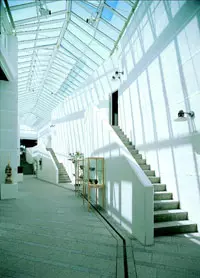
Designed by Johan Fogh and Per Følner, the building opened in 1993. An extension was added in 2003 to provide more space for exhibitions, administration and storage. The complex spans three levels and follows the hillside towards the cliffs. This makes the change in elevation part of the museum visit: paths, galleries and views lead step by step through the building and out into the landscape.
Daylight shapes the interior spaces. Small windows are carefully positioned, while transparent ceilings and skylight halls channel the island’s clear light into the galleries. The historic Helligdomskilden, or Holy Spring, is located in the entrance area. In the Middle Ages, people came to the spring because they believed it had healing powers. Today, it is a reminder of the site’s long history and is integrated into the modern museum architecture. The tower and museum bridge offer additional viewpoints over the Baltic Sea and the green surroundings.
From the museum to the Helligdom Cliffs
A path leads from the museum down to the coast, where the protected Helligdom Cliffs form the boundary between land and sea. The cliffs have been protected since 1918. The grounds and museum bridge already offer views of the coastline; the descent brings you closer to the granite, surf and rock formations. The steps down to the shore are steep and require sure footing. In strong winds or heavy seas, caves and exposed stretches of shore are not suitable destinations.
If you are planning a longer coastal outing, you can follow the coastal path from Gudhjem to the museum. The route is about six kilometres long and takes roughly two hours; it is not suitable for people with mobility difficulties. Alternatively, the M/S Thor excursion boat connects the area with Gudhjem and runs seasonally, approximately from mid-April to mid-October. Walking there and taking the boat back lets you experience the same stretch of coast from two perspectives. The Gudhjem profile offers more information about the harbour town and its excursions.
Visiting and choosing a convenient base
The museum is outside the town centre, in the countryside between Gudhjem and Tejn. If you arrive by bicycle, there are bicycle stands and a cloakroom for luggage. Parking is available at the museum. Inside, a lift, accessible toilets and wheelchairs available to borrow free of charge make visits easier. Narrow gallery spaces can be challenging for large electric wheelchairs; the tower is accessible only by stairs.
If you want to avoid a long journey to the museum, Gudhjem makes a convenient base for combining the museum, coastal scenery and harbour town. Accommodation in Gudhjem is close to the eastern coastal paths; accommodation on Bornholm gives you a broader overview for an island trip with several stops. This way, you can plan your museum visit as a half-day outing in its own right or as part of a longer day along the coast.
Frequently asked questions about Bornholm Art Museum
How can I combine the museum with the Helligdom Cliffs?
Start with the collection and architecture at the museum, then take the coastal path to the cliffs. The steps down to the water are steep; for a longer outing, the coastal path from Gudhjem takes about two hours each way.
What makes the museum’s architecture special?
The building follows the hillside towards the coast over three levels. Skylights, transparent ceilings and carefully positioned windows bring Bornholm’s light into the galleries; the holy spring and viewpoints connect the building with its surroundings.
What kind of art does Bornholm Art Museum exhibit?
The focus is on art and crafts connected to Bornholm, including the Bornholm School of Painters. Special exhibitions complement the collection with changing themes in art, design and crafts.
Is the museum accessible to wheelchair users?
A lift, accessible toilets and wheelchairs available to borrow free of charge support a visit to the museum. Narrow galleries can be difficult to navigate in large electric wheelchairs; stairs lead to the tower.
