
Gdynia: Modernism, Coast and Maritime Culture
Accommodation in Gdynia
Gdynia (Gdingen) can be explored through three themes along the Baltic coast: modernist architecture, maritime culture, and coastal and natural areas. The Gdynia Modernist City Centre is a compact ensemble of preserved modernist architecture from the interwar period on the Baltic coast. When planning a trip, you can choose between an urban-architectural focus, maritime sites and landscape experiences.
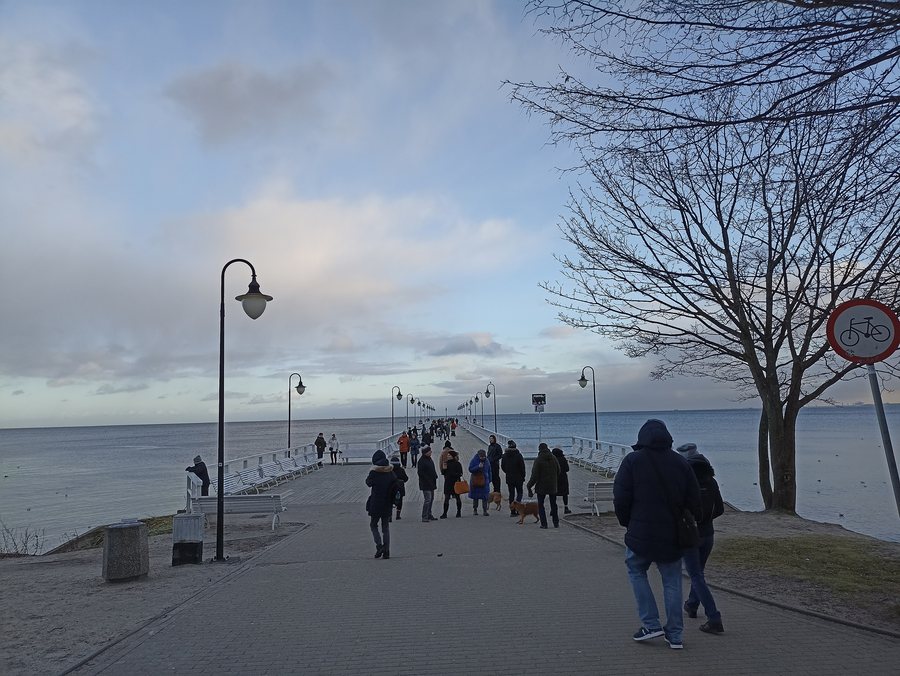
Modernist Architecture and Coastal Landscapes
The compact layout and preserved buildings form a clearly defined architectural focus. The interwar period and modernist character give the ensemble its historical context; at the same time, it remains legible as a compact whole. This appeals to travellers who want to combine a city stop with architectural heritage, and offers a different focus from nature or maritime history.
For nature lovers, the Kępa Redłowska Nature Reserve offers a distinct theme: it protects a unique cliff coastline with beech forests and rare plant species, including the Swedish whitebeam (Sorbus intermedia). The Kępa Redłowska Trail is 12.6 km long and runs entirely within the territory of Gdynia. Its length offers a concrete point of reference if you want to include a longer route in your day’s plans. Bulwar Nadmorski is also a tourist attraction in Gdynia. The reserve, trail and attraction thus represent different ways to include nature and the city in your trip.
Maritime History and Culture
ORP Błyskawica is a museum ship in Gdynia, while ORP Sokół is a Kobben-class submarine. The two names represent different maritime themes: a museum ship and a submarine. Akwarium Gdyńskie, Centrum Nauki EXPERYMENT and the funicular railway to Kamienna Góra are further tourist attractions in Gdynia. Together, they broaden the range of possible city themes without tying all the attractions to the same interests.
Muzeum Emigracji is a museum in Gdynia. Gdynia Film Centre has cinemas for arthouse films, discussion clubs, a film café, a gallery and a bookshop. Cinema, conversation, café culture, art and books are all found there side by side. Visitor facilities may change; check the latest information from Gdynia Film Centre before your visit.
Sailing enthusiasts also have a specific point of interest: Marina Gdynia has 240 berths with access to water and electricity. Operating details may change. If the marina is important to your trip planning, check the latest information before relying on it.
Pomerania in a Broader Context
In the wider destination of Pomerania, there are nine landscape parks in the Pomeranian Voivodeship, covering a total area of nearly 168,000 hectares; seven lie entirely within the boundaries of the voivodeship. Dolina Słupi Landscape Park was established in 1981 in the Słupia catchment area and along its middle and lower course, to protect the natural values and rich cultural heritage and preserve their balance.
Cultural destinations in Pomerania also offer a range of historical points of reference: the three most important post-Cistercian monastic complexes in the Pomeranian Voivodeship include Oliwa and Pelplin, former monasteries for men, and Żarnowiec, a former monastery for women. For nature lovers, Słowiński National Park has 131 kilometres of hiking trails. As trail lengths may change, check current park information before planning your visit.
Vistula Spit Landscape Park protects the wildlife and landscape of the Vistula Spit. Its defining features include primeval forests with diverse plant life, large longitudinal dunes where sea holly often grows, and broad sandy beaches. These examples offer a distinct overview of Pomerania’s natural and cultural landscapes, complementing Gdynia’s urban, maritime and nature-oriented themes with a broader regional context.
Discover more destinations: Gdynia, Człuchów, Słupsk, Wejherowo, Gdańsk, Kościerzyna, Lębork.
Go to the main travel overview: Pomerania.

