
Stolp: Słupia, Hanseatic history and Baltic Sea
Accommodation in Stolp
Słupsk is situated on the Słupia River in the Polish Voivodeship of Pomerania, in the historic regions of Pomerania and Middle Pomerania. For travel planning, the river location, city history, and proximity to the coast can be considered separately. You can weight the topics according to your own interests, such as history, nature, the cityscape, or the connection to the Baltic Sea. In this way, the city combines geographical context with different cultural and landscape points of reference.
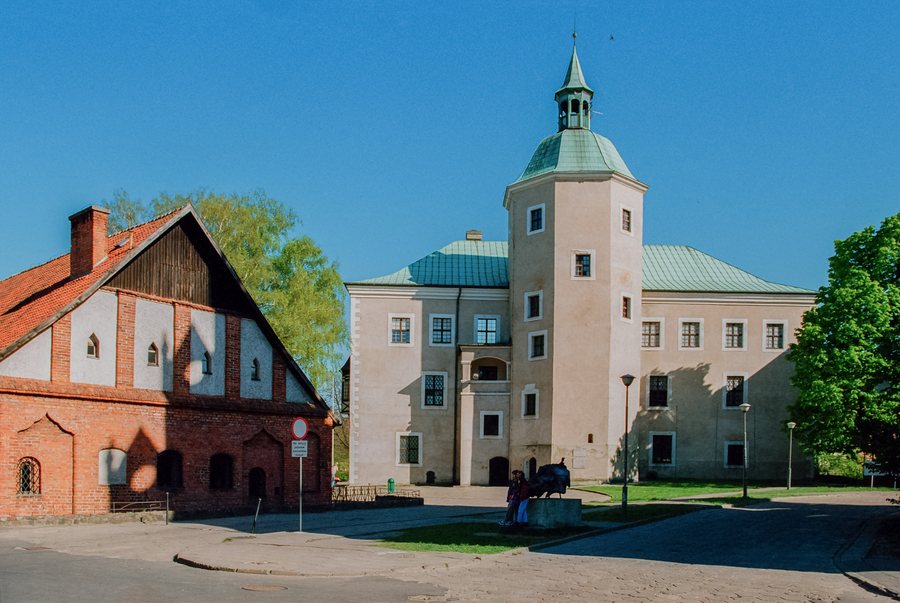
History and Culture
Słupsk was granted town rights in 1265. The city later developed into a center of local administration and trade, with connections to the Hanseatic League. The Castle of the Pomeranian Dukes is a landmark of Słupsk associated with the region’s royal heritage. Its significance adds a specific place with regional relevance to the city’s history. The Museum of Central Pomerania in Słupsk presents regional history, art, and natural history; its exhibitions range from archaeological finds to contemporary art. The city’s history, courtly heritage, and museum collections thus provide distinct approaches to the region’s past and present.
Nature and Surroundings
Słupsk is located on the Słupsk Plain, a mesoregion of the Koszalin Coast, and is approximately 18 km from the Baltic Sea. In the wider regional area are Plaża Dębina, Plaża Rowy, and Rowokół. The Baltic beaches are considered to be a short drive from Słupsk; Słowiński National Park is nearby and is known for its shifting sand dunes. The different spatial references—approximate distance, short drive, nearby surroundings, and wider regional surroundings—can be considered separately when making your own plans. This places the coastal landscape, dunes, and plain alongside the city’s river location as distinct geographical topics. Anyone considering the regional context can distinguish these named places and landscape forms according to their different classifications.
Cityscape and Cuisine
The old center of Słupsk is considered compact; the streets are regarded as easy to explore on foot. Słupsk is considered a transport hub; two national roads and two railway lines intersect here. The city structure and transport routes are therefore independent features of its urban classification. Traditional Polish dishes served in restaurants and cafés are considered part of the local cuisine. Thus, alongside the geographical references, the city structure, regional history, and culinary tradition also stand as distinct topics. The cityscape, transport connections, and cuisine broaden the view beyond individual attractions and show different aspects of the place.
Other places at this regional level include Poddąbie, Stara Dabrowa K Slupska, Orzechowo, Siemianice, Starnice, Smoldzino, Wodnica, Gardna Wielka, Objazda, Rowy, Stojcino, Stolpmünde, Debnica Kaszubska, Losino, Wrzeście, Słupsk, Dąbrówno, Grabno, Retowo, Widzino, Witkowo, Komiłowo, Osowa, Bydlino, Dębina, Płocko, Smołdziński Las, Adlig Kublitz, Łokciowe, Runowo, Strzelinko, Sycewice, Kluki, Kępice and Pobłocie.
For the higher-level travel overview: Pomerania.

02.jpg)