
Discover Rumia: nature, trails and city history
Accommodation in Rumia
Rumia reveals itself through specific places for nature, culture and outdoor activities: the Zagórska Struga Valley, an observation tower on Góra Markowca, parks and traces of the city’s history. This makes it easy to tailor your stay to your interests. If you enjoy spending time outdoors, you can explore the trails and green spaces; if you’re looking for individual cultural experiences, you’ll find them at the museum, among the church ruins and in the events calendar.
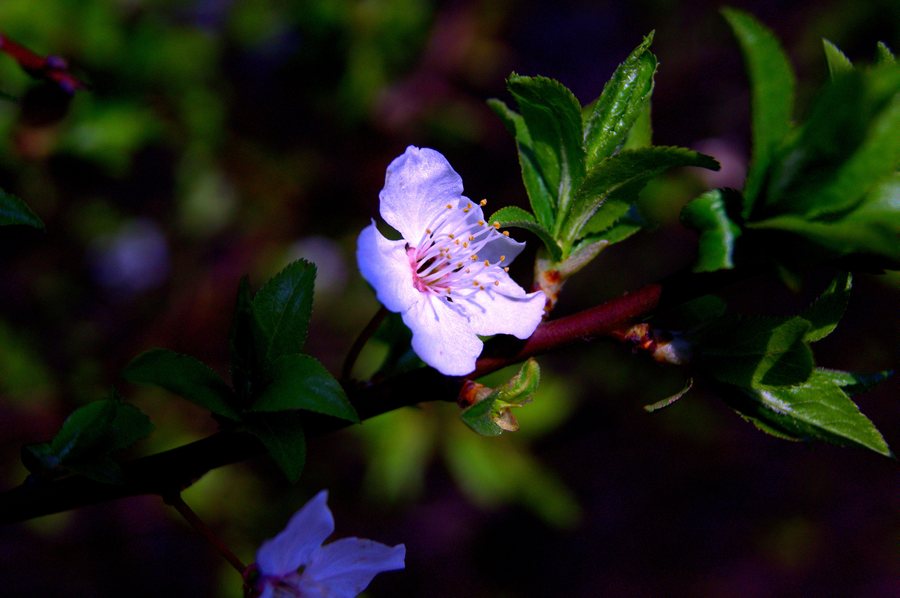
Nature and walking trails
The Dolina Zagórskiej Strugi Nature Reserve includes areas within Rumia. It protects the Struga and the trout that live in it, as well as old beech and oak trees on the slopes. There is a clear rule for walks: within the nature reserve, you may only use designated trails. The protected landscape is therefore not open for unrestricted access; stay on the designated routes when visiting.
You can walk along the Zagórska Struga from Kamienna Street in Szmelta towards the forest. A hiking trail also leads into the Zagórska Struga Valley. These trails offer different options for anyone who would like to spend time in Rumia being active in green surroundings. There is also a shared pedestrian and cycling path along Żwirki-i-Wigury Street.
Views, parks and outdoor activities
Góra Markowca has an observation tower, a zip line, a playground and a climbing wall with routes of varying difficulty. From the tower, the view extends across the city from a height of more than 112 metres above sea level. You can include each feature in your visit individually: the tower offers panoramic views, while the zip line and climbing wall add further activities at the same location. The climbing wall has routes of varying difficulty.
Starowiejski Park lies between Starowiejska and Mickiewicza Streets. Its main attractions include the pond and the pedestrian and cycling path along the Zagórska Struga. The park’s features therefore include both a place to spend time by the water and a route for getting active. If you’d like to include a walk or bike ride in your day in Rumia, you can consider this spot alongside the trails in the Zagórska Struga Valley.
Museum and historic sites
The Muzeum Miasta Rumi is located in the basement rooms of Stacja Kultura. It can be visited free of charge year-round, with a guided tour booked in advance. Exhibits include the skeleton of the “oldest female resident of Rumia,” coins from the ruins of a Cistercian church, and documents and photographs depicting post-war life. A visit brings together a range of subjects: archaeological finds, a trace of church history and memories of everyday life in the post-war period.
Rumia is also home to the ruins of a medieval church, surrounded by a historic cemetery. If you’re interested in historic places, you can include this site alongside the museum in your exploration of the city’s history. The two places offer different perspectives: at the museum, you’ll encounter exhibits and photographs, while the church ruins and cemetery are described as historic sites in the cityscape.
Music throughout the year
Rumia’s recurring events calendar includes the Międzynarodowy Festiwal Muzyki Religijnej im. ks. St. Ormińskiego, held in October. Letnie Koncerty Organowe take place in Rumia in July and August. In the 2024 edition, one concert was held at the Sanktuarium Najświętszej Maryi Panny Wspomożenia Wiernych in Rumia. These events offer different seasonal reasons to visit for a musical experience; the right time for your trip depends on which period suits your plans.
Rumia is a destination for a trip shaped by interests in nature trails, views, city history or music. You can choose specific places and themes, rather than limiting your stay to just one kind of experience.
More places: Kłosówko, Reda, Bychowo, Szemud, Zamostne, Kamien, Lewinko, Łężyce.
For the broader travel overview: Wejherowo.

