
Klippan: Culture, Trails and Local History
Accommodation in Klippan
Klippan can be explored through its architectural and industrial history, art in public spaces, and trails described in different ways. This gives you concrete starting points for planning: you can focus on historic buildings or make the length and scenery of an activity your priority.
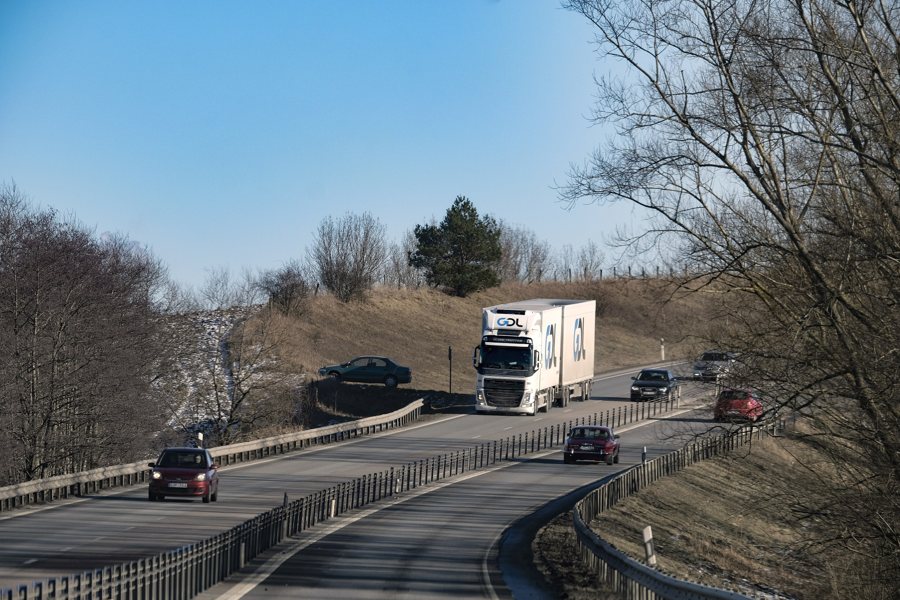 File:20210213 Lastbil utanfor Klippan 01 (50942396871).jpg
Photo: Johan Wessman / News Oresund via Wikimedia Commons, CC-BY-2.0
Buildings, railways and industrial history
The old Tingshuset was built in 1823. In 1864–1865, Deputy District Judge Fritz Ask had Askahuset built on Storgatan. Klippans Chromläderfabrik was built and began production in 1906. Together with Klippan Yllefabrik AB, a family business founded in 1879, these offer a range of historical and industrial starting points for a tour of Klippan’s history.
Klippan Yllefabrik also has a factory shop in the town centre. It is housed in historic premises and sells home textiles, interior accessories, yarn and supplies. The former Läderfabriken site is now a walking and recreation area. This means that both former factory sites and a place to spend time today are part of the town’s character.
Klippan’s railway area offers another glimpse into the town’s history. It includes a well-preserved station building, an engine shed and a water tower from the steam locomotive era. These three buildings provide tangible points of interest related to the railway, without requiring you to plan a train journey.
S:t Petri Church and art in public spaces
S:t Petri Church is centrally located in Klippan, in the town park. Sigurd Lewerentz designed and built the church between 1962 and 1966. If you are interested in its architecture, tours can be booked through the parish office.
Artworks also help orient you around the town. Antonio Pasquini’s 2018 marble sculpture “Fredsfågel” stands at the intersection of Allégatan and Järnvägsgatan. A brochure with maps is available for the various artworks in Klippan. This lets you place the sculpture in the wider context of art around town.
Walks and trails around town
The trail descriptions vary in length, route and landmarks. Blomgrens promenad is an approximately 2.5-kilometre walking trail through central parts of Klippan. Åslingan starts at Elfdalens Motionsanläggning in the eastern part of town and is 3,100 metres long. You can compare these two distances directly; no walking time is specified. Sagostigen is a short loop with wooden sculptures, intended for younger walkers.
At Elfdalen in Klippan, accessible walking trails follow the Bäljane å river. Another route by the river is Cösterslingan: it starts in the centre at Läderbackarna and follows the Bäljane å towards the allotment area on Kolonigatan. For this trail, the central starting point and the direction towards the allotment area provide your bearings.
Activities beyond the town
You can ride a rail bike between Klippan and Ljungbyhed. The round trip is 13 kilometres long and passes through scenic oak and beech forests. As this activity involves booking details, check them before travelling.
The Rönneå canoe route also runs through Klippan Municipality. It is part of the 85-kilometre route between Västra Ringsjön and Skälderviken. This route information refers to the municipality and describes a different activity from the walking trails in town.
Storgatan is also useful for finding your way around the town centre: it has many shops with a wide range of goods, as well as several restaurants and cafés. When planning, you can therefore include a stroll around town alongside visits to buildings and trails.
Discover more destinations: Färingtofta, Hyllstofta, Ljungbyhed, Öja
Back to the main travel overview: Klippan.

