
Discover Kolbatz: Monastic History and Architecture
Accommodation in Kolbatz
Kolbatz is a destination for travellers interested in the history and architecture of a former Cistercian monastery. The complex brings together several layers of history: its monastic past, its later use as a summer residence for the Pomeranian dukes and as a state estate, as well as its museum and cultural presentations. This gives visitors a clear focus when choosing a destination: the historic heritage of Kołbacz.
The Former Cistercian Complex
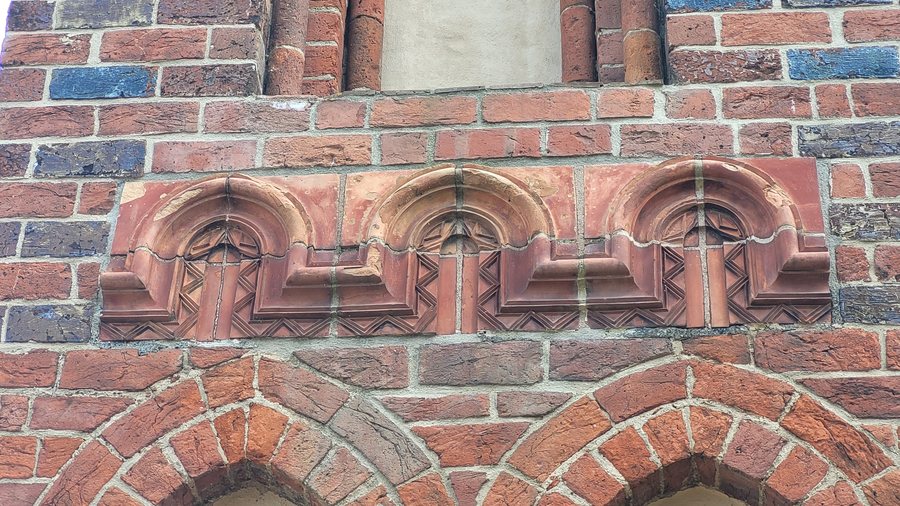
The former Cistercian monastery complex in Kołbacz was declared a Monument of History by an ordinance of the President of the Republic of Poland on 3 July 2014. Its architectural character makes the transition from Romanesque to Gothic visible. The protected complex is considered an outstanding example of this development and is distinguished by innovative architectural solutions and high-quality construction details. Those interested in architectural history will therefore find not just a single building, but a complex whose architecture reveals different styles and structural features.
The area of the Monument of History “Kołbacz – the complex of the former Cistercian monastery, later summer residence of the Pomeranian dukes and state estate” also includes the church dedicated to the Sacred Heart of Jesus. The Muzeum Dawnego Opactwa Cystersów is housed in the historic granary and the lay brothers’ house. These two buildings give the museum visit a distinct architectural context: the monastery’s heritage is presented in revitalised post-monastic buildings.
The Church and Individual Buildings
The Romanesque-Gothic brick church has an unusual rose window. Another distinctive feature is the unique carpentry structure of the nave. In the 16th century, it was converted into a granary. The church building therefore brings together both its architectural form and a later history of use. The abbot’s house and the defensive tower date from the 14th century; they too offer tangible points of reference for exploring the medieval complex. In earlier centuries, the Gothic wing was inhabited by members of the order.
Museum, Exhibitions and Events
The Muzeum Dawnego Opactwa Cystersów organises exhibitions and cultural events that present the Cistercian heritage and the revitalised post-monastic buildings. As part of the “Cienie zapomnianych kultur” project, concerts, exhibitions and meetings take place in the former Cistercian buildings in Kołbacz. The programme thus brings together different forms of cultural engagement with the historic site. Those interested in visiting the museum can call Tuesday to Saturday between 9:00 am and 1:00 pm or between 3:00 pm and 7:00 pm.
Cycling Route and Other Local Pages
Cyclists also have a specific point of reference for planning their trip: in the Stare Czarnowo municipality, they can currently use a 9 km cycle path connecting Stare Czarnowo, Kołbacz and the city of Szczecin. Kolbatz is also on the “Na południe od Szczecina – Szlakiem mapy Lubinusa” tourist route. The cycle path and the tourist route are distinct points of reference.
Find more local pages for Nowe Czarnowo, Gryfino, Weltyn, Steklno, Binowo, Krzywin, Cedynia and Widuchowa.
For the broader travel overview: Greifenhagen.

