
Stramnica – Preserved Buildings from the 19th Century
Accommodation in Stramnica
Stramnica offers a different focus for planning a trip to the Baltic Sea: several 19th-century buildings have been preserved in the village. The wider Kołobrzeg destination area adds coastline, nature and other historic places to the picture. When choosing where to stay, you can weigh up whether to focus on Stramnica’s historic buildings or, for example, on beaches and landscapes in other places.
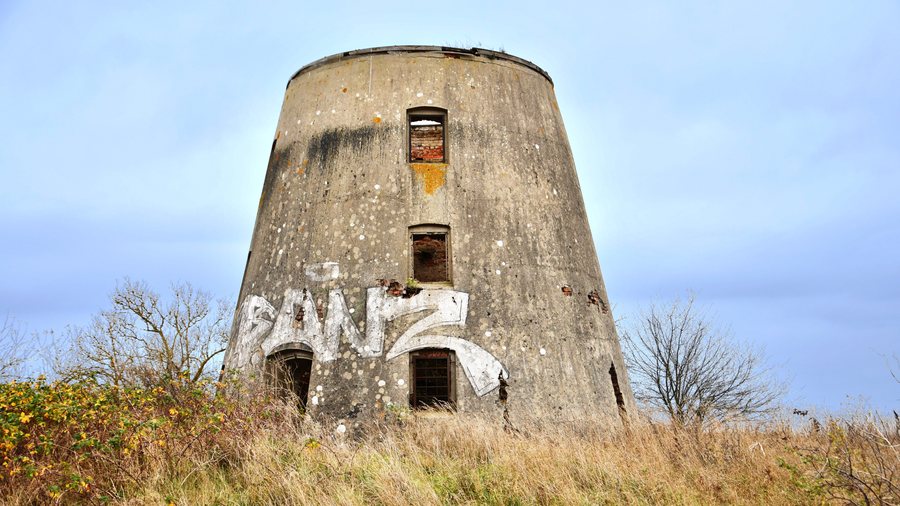
Historic Buildings in Stramnica
The preserved buildings can be distinguished by their dates and numbers. Cottage No. 1 dates from the mid-19th century. A barn and an outbuilding, Nos. 2 and 4, date from the first half of the 19th century. Another cottage, No. 37, also dates from the middle of the century. Together, the buildings give a tangible impression of the different types of buildings from this period that have been preserved in Stramnica.
A Protestant cemetery dating from the mid-19th century is also among Stramnica’s historic places. Visitors who like to include older buildings and cemetery history in their travel plans will find two different points of interest in the village: the cottages and outbuildings on the one hand, and the cemetery on the other. The dates also make comparison possible: Nos. 2 and 4 date from the first half of the century, while the cottages and cemetery date from the middle of it.
Nature and Routes Nearby
Between Kądzielno and Stramnica lies the municipality’s only remaining section of wood-rush beech forest. Its location between the two villages offers another landscape to consider when planning a trip. In 2017, a field path between Stramnica and Kądzielno was considered an attractive walking or cycling route.
The landscape in the wider Kołobrzeg destination area extends beyond this stretch of forest: Gmina Kołobrzeg includes coastal dunes, peat bogs, pine forests, meadows, salt meadows and river valleys. Sphagnum mosses and marsh vegetation grow in the raised bogs around Dźwirzyno and Grzybowo, where insectivorous plants can also be found. Nature enthusiasts can therefore explore a range of landscapes and habitats, not just forest.
Coast, Outdoor Activities and Places in the Kołobrzeg Destination Area
At Dźwirzyno beach, a wide stretch of sandy coastline meets dunes and pine forest. During the bathing season, there are lifeguarded beach sections, food stalls, changing facilities and toilets; some access points have been adapted for pushchairs and people with reduced mobility. These seasonal beach amenities offer a different focus from Stramnica’s historic buildings. Those primarily planning days at the beach can therefore consider Dźwirzyno as a destination in its own right.
Dźwirzyno harbour brings together several maritime interests: formerly a fishing harbour, it is now a fishing and tourist harbour. It is suitable for coastal sailing, fishing trips and boat trips out to sea in small craft. A modern bridge over the canal between Lake Resko Przymorskie and the sea is considered a landmark of Dźwirzyno. The beach, harbour and bridge are therefore clearly associated with Dźwirzyno and should not be conflated with Stramnica.
There are further ways to get active in the wider Kołobrzeg destination area. Three Nordic walking routes of varying difficulty run along the beaches and through the coastal forest in Grzybowo and Dźwirzyno. The 55-kilometre Wokół Jeziora Resko route runs mostly through Gmina Kołobrzeg and also enters neighbouring Gmina Trzebiatów. Bicycle rentals are available at the Gminne Centrum Sportu i Rekreacji in Dźwirzyno for exploring Gmina Kołobrzeg. The routes thus differ in length, course and activity.
Historic Places in the Wider Kołobrzeg Destination Area
There are also historic buildings beyond Stramnica, each associated with its own location. In Budzistowo, the hunting palace was built in the eclectic style around the turn of the 20th century. The Neo-Gothic church in Korzystno dates from 1866 and includes a former churchyard cemetery laid out in the same year, with a characteristic brick wall. In Karcino stands the Neo-Gothic Church of the Exaltation of the Holy Cross, dating from 1869. These examples offer a distinct architectural focus in the Kołobrzeg destination area, alongside Stramnica’s older cottages, outbuildings and cemetery.
Both are part of the wider Kołobrzeg destination area, but they describe different places and travel interests.
Discover more destinations: Kołobrzeg, Budzistowo, Grzybowo, Ustronie Morskie, Goscino, Siemyśl, Leszczyn, Skoczów.
Back to the wider travel overview: Kołobrzeg.

