
Jūrmala: Beach, nature and culture on the Gulf of Riga
Jūrmala combines a long white-sand beach on the Gulf of Riga with pine forests, historic wooden architecture and spa-town culture. The city is ideal for beach walks and swimming, as well as for an active stay with parks, trails and museums.
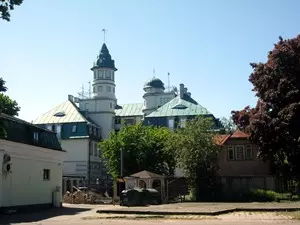 Jūrmala: Beach, pine forest and wooden architecture
Photo: © Wikimedia / Dezidor CC BY-SA3.0
Jūrmala at a glance
- Location: A coastal city on the Gulf of Riga, west of Rīga.
- Beach: The white-sand beach stretches for almost 25 kilometres.
- Architecture: The city preserves a rich heritage of historic wooden buildings, including 103 nationally listed and 295 locally listed architectural monuments.
- Nature: Pine forests, Ragakāpa Nature Park and the bog landscape of Ķemeri National Park add to the seaside experience.
- City life: Jomas iela, the open-air museum and Dzintari Concert Hall bring together dining, fishing history and culture.
Beach and coastal escapes
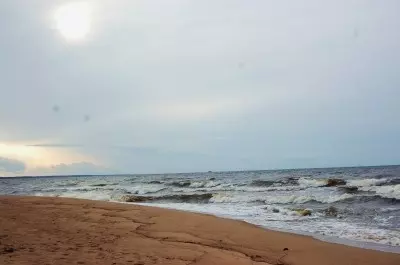
The broad sandy beach is Jūrmala’s main attraction. It stretches for almost 25 kilometres and offers a variety of places to sunbathe and swim. The coast has plenty of room for walks, time in the water and longer seaside stays.
Jūrmala lies on the Gulf of Riga and is a destination in its own right, while also making an easy addition to a trip to Rīga. If you are spending a few days in the capital, you can plan a separate beach day in Jūrmala; if you are mainly looking for a coastal break, the city makes a good base for the beach, forest and culture. Choose from accommodation in Jūrmala to suit your plans for the day: Majori is close to the town centre and Jomas iela, Dzintari is a good choice for the forest park and cultural attractions, while Ķemeri puts the focus on the nature park.
Jomas iela and city life
Jomas iela is one of the oldest main streets and a popular place for a stroll or a meal after a day at the beach. Its cafés and restaurants offer an urban counterpoint to the open coastline. A walk along the street can be combined with a visit to the historic wooden houses that shape the city’s character. Jūras iela, in particular, is home to some remarkable examples of this architectural heritage.
This heritage is extensive: 103 buildings are listed as nationally significant architectural monuments and 295 as locally significant ones. The houses show how the coastal town has developed architecturally. As you walk, take in the façades and verandas along the streets and notice the contrasts between the different neighbourhoods. Wooden architecture defines the cityscape.
Pine forests, Ragakāpa and Ķemeri
Dzintari Forest Park centres on trails and sports facilities among the pines. The park has playgrounds, paths for walkers and roller skaters, a skatepark and areas for street basketball. In winter, its snowy trails are suitable for cross-country skiing. The park makes a versatile addition to a beach visit, especially for families and travellers looking to include some outdoor activity in their holiday.
Ragakāpa Nature Park combines coastal woodland with a nature experience. A walk takes you through the pine forest. In Ķemeri National Park, the Great Ķemeri Bog Boardwalk offers a glimpse of the raised-bog landscape.
Fishing heritage and culture
Jūrmala Open-Air Museum showcases the work and everyday life of fishermen. It adds the town’s maritime history to a visit to the beach.
Dzintari Concert Hall is at the heart of the resort’s cultural programme, which includes symphonic music, ballet and choral performances. Līvu Akvaparks offers a weatherproof leisure option, with slides, swimming pools, activities for children and a wellness area. Depending on your interests, you can round out days spent at the beach and in nature with culture or active pursuits.
Combine Jūrmala with other destinations in Latvia
A stay in Jūrmala can be combined with a city break in Rīga, where the Old Town, Art Nouveau architecture and museums take centre stage. Travelling beyond the Gulf of Riga into the varied natural landscapes of Vidzeme, you’ll find a rocky coastline and the Gauja Valley in Northern Latvia. Further west, Ventspils and Northern Kurzeme and Liepāja make good additions to a trip along Latvia’s Baltic coast.
Getting there and travelling between neighbourhoods
Trains from Rīga run along the Tukums line towards Dubulti, Sloka and Ķemeri, giving you access to several central and western parts of Jūrmala. Within the city, bus routes link Lielupe with Buļļuciems, Bulduri with Kauguri, and Dzintari with Sloka, among other places. For a day trip, you could start in Majori with Jomas iela and its wooden architecture, continue with a beach walk, then finish at Dzintari Forest Park. If you want to visit Ķemeri, plan it as a separate nature-focused outing and take the train to Ķemeri or the local bus from Bulduri.
Frequently asked questions about Jūrmala
How long is Jūrmala’s beach?
The white-sand beach is almost 25 kilometres long. The city stretches across several neighbourhoods along the coast.
Which nature spots make a good addition to a beach day?
Dzintari Forest Park combines pine woodland with trails and sports facilities. Ragakāpa Nature Park offers walks through pine forest, while the Great Ķemeri Bog Boardwalk takes you into the raised bog.
What does Jūrmala offer beyond the beach and nature?
Jomas iela is a good place for a stroll and a meal. The open-air museum explores the history of fishing, Dzintari Concert Hall hosts performances, and Līvu Akvaparks adds leisure and wellness options.
