
Northern Latvia: coast, Gauja Valley and historic towns
Northern Latvia combines the rocky Vidzeme coast with the seaside resorts on the Gulf of Riga and the forested Gauja Valley. Salacgrīva and Saulkrasti represent the coastal stretch, while Sigulda, Līgatne and Cēsis provide access to nature and cultural attractions inland.
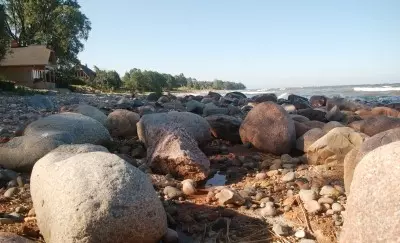 Strand von Melecu Licis
Photo: © bretagne 32 / pixelio.de
Northern Latvia at a glance
- Coastal character: Vidzeme has Latvia’s stony sea coast; between Salacgrīva and Tūja, rocks and wooded stretches shape the landscape.
- Coastal towns: Saulkrasti is closer to Riga, while Salacgrīva lies farther north. Both towns bring together the sea and regional fishing traditions.
- River landscape: Gauja National Park follows the river valley and brings together sandstone cliffs, forests, nature trails and historic sites.
- Cultural destinations: Sigulda is a starting point for exploring the Gauja Valley and Turaida; Cēsis adds a medieval town to the trip.
- Planning your trip: It makes sense to choose separate places to stay for the coast and the national park, as the destinations are spread across different areas.
Vidzeme: rocky coast and river landscapes
Vidzeme differs from the long, mostly sandy beaches many people associate with the Baltic Sea. It has Latvia’s only stony sea coast. Inland, coastal forests give way to hilly terrain and river valleys. Latvia’s highest peak, Gaiziņš, is also in Vidzeme, at 311.6 metres. Travelling through the region, you can therefore experience the coast and the interior as one connected area with a varied landscape.
The region’s most important river is the Gauja. In the national park, the focus is on its banks, wooded slopes and sandstone outcrops. A particularly striking feature is Sietiņiezis, a complex of cliffs stretching around one and a half kilometres; its vertical face reaches 15 metres. Farther south, the Amata nature trail leads to the impressive Zvārte sandstone cliff. These destinations are ideal for combining a drive through the Gauja area with short nature walks.
Salacgrīva and the coast towards Tūja
Salacgrīva is a northern landmark on a coastal drive through Vidzeme. Smoked fish prepared according to local traditions is available in both Salacgrīva and Saulkrasti. This makes the coast a destination in its own right for food lovers, too: fishing heritage and regional produce complement the views of the beach and coastal landscape. The rocky shores on the way from Salacgrīva to Tūja offer a different experience from a classic dune beach.
For a well-paced itinerary, set aside a day for the coast with a manageable focus: choose one town as your base, explore the coastal route in sections, and leave time for a break in Salacgrīva or at another named destination. You can choose where to go based on the landscape you’re interested in: if you’d like to experience rocks and coastal forest, this area makes a fitting contrast to the sandy beaches farther south.
Saulkrasti: dunes, forest and the sound of the sea
Saulkrasti makes a convenient coastal base at the southern end of the Vidzeme stretch. The White Dune is a prominent viewpoint on the Gulf of Riga. Vidzeme has coastal cycle routes, including the route from Salacgrīva to Tūja, which follows the rocky shoreline. If you focus on Saulkrasti, you can combine paths through the dune forest and the coastal landscape with time in town. Accommodation in Saulkrastu Novads makes a suitable base for this southern stretch of coast.
Cycling also fits well into this part of the trip: routes run through Gauja National Park, the towns of Vidzeme and along the Salacgrīva–Tūja coastal route. Divide coastal and inland sections according to the distance and terrain you prefer. That leaves time to enjoy the coastline without overloading the day with a visit to the river valley as well.
Gauja National Park: natural attractions between Sigulda and Līgatne
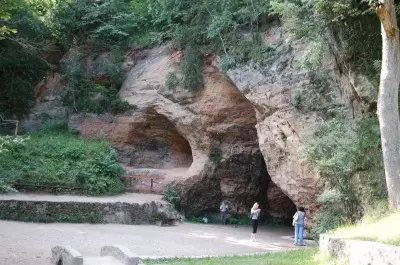
Gauja National Park is Vidzeme’s main inland natural area. It is Latvia’s largest and oldest national park. Attractions include the Līgatne nature trails, the stretch of the Gauja near Sigulda, sandstone cliffs and cultural heritage sites. The Līgatne nature trails pass through pine forest and along the Gauja; a visit takes about three hours. This makes it easy to plan as a half-day excursion in its own right.
There is also a Soviet-era bunker near Līgatne, nine metres beneath the rehabilitation centre. It adds a glimpse of recent history to a nature walk. In the Gauja area, travellers can choose between forest and riverside paths, geological features and historic sites. For a short stay, it is more practical to focus on one of these groups rather than trying to fit several widely separated stops into a single day.
Sigulda provides access to the Gauja Valley and a range of other activities. Options in Sigulda include Tarzāns adventure park, the bobsleigh and luge track, and a cable car across the river valley. At the track, visitors can ride the “Vučko” tourist bob in winter and the “Frog” in summer; the course is 1,420 metres long. If nature is your main interest, focus on the valley views and one of the marked trails. For a more active visit, Sigulda’s attractions offer a distinct focus of their own.
Turaida and Cēsis: history in the Gauja area
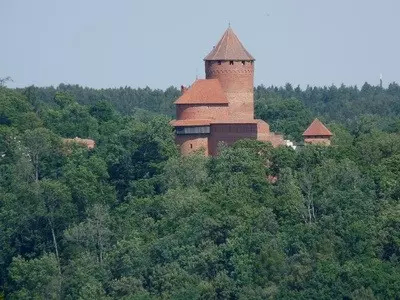
The Turaida Museum Reserve combines the scenery of the Gauja Valley with a historic destination. The 30-metre-high observation tower offers views across the valley; Turaida attracts many visitors, especially during Latvia’s “Golden Autumn”. The viewpoint and the site make a good addition to a visit to Sigulda. In autumn, the architecture of the castle and museum grounds is complemented by the colours of the forested valley.
Cēsis offers a second cultural focus in the national park area. It is a medieval town with a history spanning more than 800 years. Cēsis Castle combines its historic setting with activities where visitors can learn about medieval crafts and pastimes. Nearby, Āraiši Archaeological Park adds another stop to a visit to town: it features a reconstructed wooden lake fortress based on a settlement dating back more than a thousand years. You can plan a route between Sigulda, Turaida and Cēsis according to the balance of scenery, town visits and history you prefer.
Where to stay and how to combine destinations
Rail connections from Rīga serve Saulkrasti via the Skulte line and Sigulda on the route towards Valga. This makes Saulkrasti a good base for the southern coast and Sigulda for the Gauja Valley. Cēsis and Līgatne are standalone cultural and nature destinations inland, each worth planning as the focus of a separate excursion. By car, you can more easily combine Salacgrīva–Tūja and several destinations in the Gauja area into a round trip. If you have only a few days, choose either the coast or the river valley; to experience both landscapes, plan separate overnight stays in each area. Coastal accommodation suits dunes, beaches and cycling routes, while a base near Sigulda or Cēsis cuts travel time to nature trails and cultural sites.
Latvia’s other major destinations each add a different character to a regional trip: Riga combines the capital with urban history and Baltic trade; Jūrmala is a seaside resort on the Gulf of Riga; Ventspils and North Kurzeme take you to Latvia’s western coast; and Liepāja combines a Baltic beach with port and city history. These destinations lie beyond the main focus of Northern Latvia, so they are better suited to separate legs of a trip.
Frequently asked questions about Northern Latvia
How does the Vidzeme coast differ from other Baltic beaches?
Vidzeme has Latvia’s stony sea coast. Between Salacgrīva and Tūja, rocky stretches and coastal forest are part of the landscape, setting this route apart from coastlines with continuous sandy beaches.
Which places are good for a visit to Gauja National Park?
Sigulda is a good choice for the Gauja Valley, Turaida and local activities. Līgatne offers nature trails and the Soviet-era bunker, while Cēsis adds medieval town and castle history to the landscape excursions.
How can I divide a stay between the coast and the river landscape?
Plan coastal towns such as Saulkrasti or Salacgrīva as one leg of your trip, and destinations near Sigulda, Līgatne or Cēsis as a second. A multi-day trip can include both; if you’re short on time, choosing one main focus leaves more room to enjoy each route and visit at a relaxed pace.
