
Gotland: Visby, Fårö and coastal landscapes
Gotland brings together the medieval Hanseatic town of Visby, open limestone coastlines, beaches and small island settlements. For a trip, it helps to plan a clear division: Visby is ideal for history and culture, while Fårö, the coastal nature reserves and the southern districts each deserve a day trip of their own.
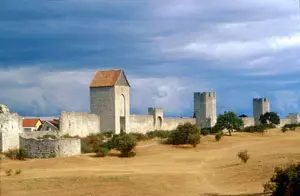 Die Stadtmauer von Visby auf Gotland
Photo: www.imagebank.sweden.se Peter Grant
Gotland at a glance
- Location: Gotland lies in the Swedish Baltic Sea; Visby is the main ferry port and a good starting point for exploring the island.
- Getting there: Ferries run from Nynäshamn and Oskarshamn to Visby. The crossing takes about three hours, depending on the service.
- Visby: The medieval Hanseatic town preserves its city wall, church ruins and historic lanes within a compact area.
- Fårö: The neighboring island is reached by the Fårö ferry from Fårösund. In the north, the landscape is shaped by rauk sea stacks, cobble beaches and open pastures.
- Getting around: Buses connect Visby with places on the main island year-round, with additional services in summer. Cycle paths and smaller roads also make it easy to explore the island.
- Trip planning: Visby is easy to explore on foot. Set aside a separate day for Fårö and more distant stretches of coast.
Explore Gotland by region
Gotland is large enough that your choice of base affects how you spend each day. Visby brings together the ferry port, old town, museum and many services. From there, you can visit the north and south on day trips; if you want to spend several days exploring different coastlines, you can divide your stay between locations. Accommodation on Gotland makes a good base for trips to different parts of the island, while accommodation in Visby is a good fit if the old town, museum and restaurants are your main focus. For a ferry trip from the mainland, Nynäshamn, a port town south of Stockholm, is also a useful point of reference.
The island’s central region brings together smaller towns, fields and patches of woodland. To the north lie Fårö, Fårösund and several striking coastal landscapes. South of Visby, agricultural towns give way to bays and long stretches of coast. Rather than driving across the island every day, it is practical to combine Visby with one or two scenic regions. This leaves time for coastal walks and spontaneous stops in small towns.
Visby: Hanseatic history within easy reach
From the 12th to the 14th century, Visby was an important Hanseatic League center in the Baltic region. Its medieval street plan, ring wall and many historic buildings bring its trading past to life in the streetscape. A walk through the walled town center links the fortress gates and towers with lanes, squares and church ruins.
The city wall is about 3.5 kilometers long. Walking the full circuit lets you see the old town from different angles, and you can break the walk into shorter sections. Within the walls are Sankta Maria, medieval church ruins and the Gotland Museum. Fornsalen displays Gotland’s picture stones, the Viking-era Spillings Hoard, finds from different periods and fossils, among other exhibits. A museum visit pairs well with a walk, especially when the weather invites a longer indoor activity.
Visby works well as a full day of sightseeing: explore the old town in the morning, then visit the museum or Botanical Garden, and finish with a walk on the edge of town. In summer, events and guided tours bring the city to life; outside the season, museums and historic routes take center stage. Opening hours and programs vary by season and event date.
Fårö and Gotland’s limestone landscapes
Fårö lies north of the main island. The ferry from Fårösund takes just a few minutes and runs year-round; in summer, sailings are more frequent when demand is higher. Fårö can therefore be visited as a day trip, but allow time for the journeys between individual coastal sights. An overnight stay on the island gives you more flexibility if you want to visit several rauk fields and beaches.
The Digerhuvud Nature Reserve stretches along Fårö’s northwestern shore. A paved road runs through different parts of the protected area. Here, rauks—limestone formations shaped by the sea and weather—rise to heights of up to eight meters. The fields of rauks alternate with cobblestones, low cliffs and wind-shaped coastal pines. The rocks preserve traces of a tropical sea that covered this region around 430 million years ago; fossils in limestone and reef limestone reveal the area’s geological history along the coast.
Langhammars Nature Reserve lies farther north on Fårö. More than fifty rauks stand on Klajvika Beach, some over eight meters high. Beyond them, the landscape is defined by thin soils, open alvar plains, low juniper bushes and grazed land. Digerhuvud and Langhammars can be combined into a longer day along the coast. Sturdy shoes and time for stops are useful, as the rock formations are best appreciated up close on foot.
Alongside its rocky shores, Fårö also has sandy beaches: Sudersand is known for its light-colored sand and shallow water. A beach visit is especially appealing in the warmer months; outside the swimming season, the open coastline is ideal for walks. Small fishing settlements and other natural areas lie nearby, so you can combine swimming, scenery and visits to local communities, depending on the season.
Coasts, nature and day trips on the main island
The main island also alternates between sandy beaches, rocky shores and agricultural hinterland. Lummelunda combines a coastal setting with a limestone cave where you can see stalactites, stalagmites and fossils. Guided visits are available around the cave; choose a suitable tour if you want to venture farther into the cave system. Lummelunda makes a good weather-independent addition to a day by the sea.
On the west coast, Ekstakusten Nature Reserve stretches between Djupvik and Hammarudden. The islands of Stora and Lilla Karlsö can be seen from the shore. The fishing villages of Djupvik and Kronvall recall the region’s fishing heritage. You can pair a stop along the coastal road with a walk; a separate boat service is needed to visit the Karlsö islands. The combination of coastal views, a fishing village and an island destination makes for a different kind of day trip from a visit to Visby’s historic center.
In the south, Hoburgen lies at the southern tip of Gotland. The landscape of Husrygg Nature Reserve is characterized by limestone and open coastline. The distinctive rock formation Hoburgsgubben is a well-known viewpoint overlooking the Baltic Sea. Farther east, Närsholmen opens onto a broad, flat landscape dotted with low junipers and pines. Both destinations fit well into a route through southern Gotland, where you can combine nature stops with visits to smaller towns.
Explore Gotland by bus, bike and ferry
Ferries from Nynäshamn and Oskarshamn take travelers to Visby; the crossing time and departure depend on the service you choose. If you are traveling around the island by car, booking the ferry is part of planning your journey. Foot passengers and cyclists can also use the ferries. Once you arrive, buses connect Visby with places across Gotland. They run year-round on the main island, with additional services in summer. Bus services on Fårö are seasonal, generally running from mid-June to mid-August.
Cycling suits Gotland’s mostly flat landscape. From Visby, routes lead toward places such as Lummelunda and Klintehamn; the Gotlandsleden cycle route follows smaller roads around the island. When planning, take wind, daylight hours and your preferred distance into account as well as the mileage. An excursion from Visby works well for a single stage; an island circuit is better tackled with several overnight stops and plenty of time. Bikes can be carried on some bus services, but space is limited.
If you would like to compare Gotland with another Swedish island region, take a look at the Stockholm Archipelago: there, island connections from a major city are the focus, whereas Gotland offers a longer ferry crossing, a distinct island region and Visby’s historic old town.
Frequently asked questions about Gotland
How many days should I plan for Gotland?
Two to three days is a good introduction, with time for Visby and one additional excursion. If you want to explore Fårö, the southern coast and other natural areas, plan several extra days or split your overnight stays between different places.
How do I get to Gotland from mainland Sweden?
Destination Gotland runs ferries from Nynäshamn and Oskarshamn to Visby. The crossing takes about three hours; the schedule and duration depend on the specific departure. You can get around the island by bus, bike or car.
Is Fårö worth a day trip?
Yes, as long as you take the ferry schedule and travel times between sights into account. Allow a full day for Digerhuvud, Langhammars and Sudersand. An overnight stay is worthwhile if you want to enjoy the coast at a leisurely pace or go on several short walks.
What sets Visby apart from the island’s other towns?
Visby brings together Hanseatic history, a ring wall, church ruins, a museum and a harbor within a compact area. Outside the city, coastal landscapes, smaller towns and nature reserves take center stage. The combination of city and countryside makes for a varied trip to Gotland.
Can I travel around Gotland without a car?
Yes. Buses run year-round on the main island, with additional services to Fårö in summer. For places beyond the bus routes, consider cycling, guided excursions or longer stays in Visby or other well-connected towns.
