
Roskilde: royal tombs, Viking ships and fjord
Roskilde brings together Denmark’s history, a lively fjord harbour and a location just 25 minutes by train from Copenhagen. The city is ideal for a day trip or a longer stay: Roskilde Cathedral and the Viking Ship Museum are its historical highlights, while museums, harbour paths and cultural venues offer more ways to explore.
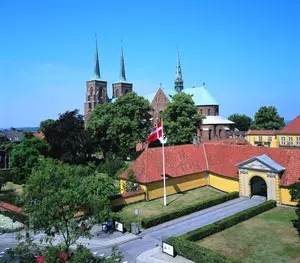 Dom von Roskilde auf Seeland
Photo: Klaus Bentzen/VisitDenmark
Roskilde at a glance
- Location: On Roskilde Fjord on the Danish island of Zealand, west of Copenhagen.
- History: A former royal residence, with a cathedral whose construction spans eight centuries.
- Viking ships: The Viking Ship Museum displays five original ships from the Skuldelev find.
- Culture: The city museum, a museum of pop and rock history, the monastery and a changing programme of events complement the major sights.
- Getting there: The cathedral gives the train journey from Copenhagen as taking about 25 minutes; several westbound trains stop in Roskilde.
- Planning: Allow separate time slots for the cathedral and museum; opening hours, admission and programmes depend on the day of your visit.
Roskilde Cathedral: royal tombs and architectural history
Roskilde Cathedral is the city’s striking historic centre. Its architecture reflects changes over a period of around 800 years. Inside are the tombs of 40 Danish kings and queens; chapels and crypts bring the evolution of royal burial traditions vividly to life. The architecture is especially significant to this UNESCO World Heritage Site: the church makes it possible to trace a long evolution in architectural styles in one place.
Allow more than a quick look around the nave if you also want to see the burial chapels, museum and gallery. Admission is charged for these areas; access for services, devotions and prayer is subject to separate conditions. Children and young people up to age 17 enter free. The cathedral may close temporarily for church events. For this reason, check the official calendar for opening hours on the day; a blank date field means the cathedral is closed all day.
To learn more about the architecture, you can book a guided tour or use the church guide provided. For families, special activities for younger visitors offer a different way to discover the stories behind the building. Depending on your interests, you can make the visit a general introduction, an in-depth exploration of cultural history or a family activity.
The Viking Ship Museum by the fjord
By the water, the Viking Ship Museum tells the story of the importance of shipbuilding to the Nordic world. At the heart of the exhibition are five original Viking ships from Skuldelev. Their different designs show how ships were built for voyages on the open sea, coastal waters and rivers. The museum pairs surviving original vessels with an exploration of how materials, hull design and crew determined a ship’s purpose.
The story goes beyond the finds: exhibitions and activities also explore craftsmanship, seafaring and the use of historic boats. Some of the programme changes with the seasons. If you want to see the workshop, demonstrations or special activities, be sure to check the museum’s current events calendar when planning your day. Opening hours and admission vary by season and activity.
The museum’s location by the fjord makes it a natural starting point for a waterside walk. Café Knarr is on the museum island and overlooks the wooden boats. You can combine a museum visit with a break by the harbour, while taking in the historic exhibits and surrounding landscape together.
City museums, the monastery and contemporary culture
The Roskilde Museum traces the city’s history from prehistoric times to the recent past. It is housed in historic buildings in the centre; the Sukkerhuset recalls the sugar production that took place there for a time in the 18th century. If, after visiting the cathedral, you want to understand how urban life developed over the centuries, the museum offers a fitting counterpoint to the city’s royal and ecclesiastical history.
Today’s Roskilde Monastery traces its origins to the Sortebrødre Monastery, documented in 1231. It was dismantled after the Reformation, and some of its building materials were used for Sortebrødregård, now the monastery’s main building. The aristocratic Jomfrukloster was established later, in 1699. The two names therefore refer to institutions from different periods. Nearby stands the ruin of St Lawrence’s Church and its tower. These sites make for a historic walk through the centre: the cathedral, monastery and church ruin reveal different religious functions and eras within a small area.
RAGNAROCK is dedicated to Danish and international pop and rock music. Its themes range from music history to youth and everyday culture. Together with the city museum, it offers a clear choice: explore the medieval and urban past in the centre, or music and social change in a modern museum. Gimle cultural centre and the city’s events programme add concerts and other current cultural events to the year-round calendar.
Harbour, fjord and city walks
At Roskilde Harbour, the small Tangloppen centre offers a glimpse into life in the fjord. Its aquariums display fish and crabs from Roskilde Fjord; outside, a platform with two holding tanks lets visitors observe crabs and other small creatures in summer.
Kildestrøget is a good choice for a walk through the city’s history. The roughly five-kilometre route links eight named springs in central Roskilde and takes in both nature and history. VisitFjordlandet also describes a short route, a longer one and a family-friendly spring route, so you can choose a walk to suit the time you have.
If you’d like to explore more of the fjord landscape after seeing the sights, Roskilde makes a good base for visiting other places in the region. Roskilde accommodation brings together the available places to stay. For a quieter spot on the western shore of the fjord, visit Gershøj, with its harbour, beach and walking trails; Jyllinge combines fjord scenery with a fishing heritage and a longer cycling loop. Frederikssund is another useful regional comparison, with museums, nature trails and other fjord destinations.
Roskilde Festival and cultural events
Roskilde Festival shapes the city’s international reputation. Organised by a non-profit, it brings together music, art, activism and food. For visitors, the festival has a significant impact on the city’s atmosphere and how busy it is: if you’re coming for the programme, you can plan your stay around the concerts and festival site; if you’re focusing on the cathedral, museums and quieter fjord paths, you may prefer to visit at another time. The festival programme is published annually and is essential when planning a specific trip.
Outside the festival period, the events calendar offers a changing mix of music, exhibitions and city festivals. Checking the dates can help you pair a museum visit with a concert or special guided tour. The cultural venues are spread across different parts of the city, so allow enough time to travel between the centre, harbour and museum.
A day trip or a longer stay?
For a compact day trip, Roskilde Cathedral and the Viking Ship Museum make two excellent main stops. Start with your chosen time slot at the cathedral, then walk through the centre to the harbour. Allow several hours for the museum if you want to include its exhibitions and activities. The journey from Copenhagen takes about 25 minutes, leaving time for a walk by the fjord or a visit to the city museum.
A longer stay is worthwhile if you want to visit several museums, follow a fjord trail or attend a cultural event. On a rainy day, you can visit the cathedral, city museum and RAGNAROCK; in dry weather, add the harbour and walking routes. Suitable shoes are useful for waterside paths, while the city centre and its historic cultural venues make for a varied day even without a long hike.
Frequently asked questions about Roskilde
How much time should I allow for Roskilde?
A full day is a good guide for visiting Roskilde Cathedral and the Viking Ship Museum. If you also want to visit the city museum, RAGNAROCK, the monastery or a fjord trail, the itinerary is more relaxed spread over two days.
Can I visit Roskilde by train from Copenhagen?
Yes. The train journey from Copenhagen takes about 25 minutes, and many westbound trains stop in Roskilde. Choose a specific connection for your visit and check that your arrival time works with the opening hours of the sights.
What’s the difference between Roskilde Cathedral and the Viking Ship Museum?
Roskilde Cathedral takes you through 800 years of architectural history and the tombs of the Danish monarchy. The Viking Ship Museum focuses on ships, seafaring and Viking Age craftsmanship. The two sites complement each other, revealing different eras and the connections between power, culture and water.
Which walking route links Roskilde’s springs?
Kildestrøget is a roughly five-kilometre route through Roskilde that links eight historic springs and connects the city’s natural and urban history.
