
Discover Stockholm
Stockholm brings together a historic island city, museums, waterfront paths and an extensive public transport network. For a first visit, the Old Town, Gamla Stan, makes a good starting point; Djurgården adds major museums and leafy paths to a day in the city. If you have more time, combine the city centre with the islands of the archipelago.
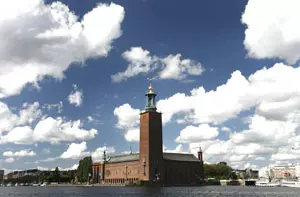 Wahrzeichen der Stadt Stockholm: Das Stadthaus
Photo: Yanan Li stockholm.se
Stockholm at a glance
- Gamla Stan lies on an island between the city centre and Södermalm; narrow lanes, squares and historic buildings shape a walk through the area.
- Djurgården is home to several major museums and leisure attractions in a leafy setting.
- The Vasa Museum displays the warship that sank on its maiden voyage in 1628 and was salvaged 333 years later.
- The Stockholm public transport network, SL, includes the metro, buses, trams, commuter trains and selected ferry services.
- Kungliga nationalstadsparken links Djurgården with Haga, Brunnsviken and Ulriksdal.
- Boat trips run from the city centre to the Stockholm archipelago.
Gamla Stan: start exploring Stockholm on foot
Gamla Stan offers a compact introduction to the history of Sweden’s capital, best explored on foot. Around Stortorget, narrow streets wind past colourful façades, small shops and restaurants. The Royal Palace and Stockholm Cathedral are prominent landmarks in the historic centre. Allow time to turn into quieter lanes as you explore; the Old Town is especially varied when you include its squares and waterfront areas in your route.
From here, you can reach Norrmalm, with its shopping streets, cultural attractions and central station, as well as Södermalm, south of the Old Town. The districts have distinctly different characters: Norrmalm brings together central transport links and big-city amenities, while Södermalm is known for its lively nightlife and distinctive bar and shopping scene. This makes it easy to shape your visit around your interests instead of trying to fit every sight into a single walk.
Djurgården: museums and urban green space
Djurgården is well suited to a longer visit, with several museums and leisure attractions close together on a green island. The Vasa Museum tells the story of the warship that sank in 1628 and was later salvaged, with exhibitions about its construction, sinking and preservation. Nearby attractions include Skansen and the Gröna Lund amusement park. If you visit museums, break up the day with a walk by the water or through the parkland.
Kungliga nationalstadsparken extends this natural setting beyond Djurgården. The park also includes Haga, Brunnsviken and Ulriksdal, combining places to relax with historic estates and nature. This makes Stockholm a good fit for both a classic city break and days spent on longer walks.
Getting around by metro, bus and ferry
SL operates the region’s metro, buses, commuter trains, trams and certain ferry routes. The best connection depends on your journey: the metro links central districts, while trams and buses serve destinations on Djurgården and around the outskirts. Ferries are both a practical way to get around and a chance to see the city from the water. For current journey planning and valid ticket information, use SL’s official journey planner.
Staying somewhere central makes it easier to get between Gamla Stan, Norrmalm and the ferry terminals. The Stockholm accommodation guide gives an overview of hotels and other places to stay. For a longer visit, you can also combine sightseeing in the city with destinations in the surrounding area: Vaxholm is a well-known gateway to the archipelago, while Nynäshamn lies by the sea south of the capital. North of Stockholm are Norrtälje and Kapellskär.
Plan your Stockholm visit around the time you have
A compact first day could include Gamla Stan, the palace area and a side trip to Södermalm. Set aside a separate block of time for Djurgården, especially if you plan to visit a museum. With two or more days, you’ll have time for another district, a long walk in a park or a boat trip. Choose your accommodation based on what you want to do: if you plan early starts for museums and excursions, good metro and ferry connections are useful; for getting around in the evening, central areas such as Norrmalm, Gamla Stan or Södermalm are convenient.
Stockholm also makes a useful base for longer excursions. In the archipelago, islands and coastal towns are spread across different routes; how much time you have and the kind of trip you want will determine whether a nearby destination or a longer day on the water is the better choice. An overnight stay in the city before or after a trip to the islands creates a clear change of pace between urban activities and coastal scenery.
Frequently asked questions about Stockholm
Which sights are best for a first day?
Start in Gamla Stan and combine your walk with a visit to the palace area. If you’d rather visit museums and enjoy green spaces, head to Djurgården; Södermalm is a good choice for city life and restaurants.
How do I get from the city centre to Djurgården?
SL connects the city centre with Djurgården by public transport. Depending on where you start, you can take a tram, bus or ferry; check the current SL journey planner for the best route.
Where can I find nature in the city?
Djurgården has walking paths and parkland. Kungliga nationalstadsparken extends further into Haga, Brunnsviken and Ulriksdal, linking green paths with historic estates.
How can I combine a stay in Stockholm with a coastal excursion?
Boats from the city travel to the archipelago. Choose your destination based on how much time you have and the kind of trip you want: nearby islands are suited to a shorter outing, while more distant coastal towns make for a longer day trip.
