
Cismar Monastery & House of Nature
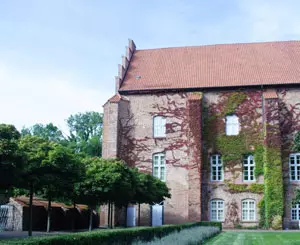 Kloster Cismar
Photo: © FotoArt Maren Beßler/www.maren-bessler-home.de
Quick facts about Cismar Monastery and the House of Nature
Cismar Monastery is a former Benedictine abbey in the Cismar district of Ostholstein. Its buildings preserve medieval architecture and tell the story of a religious center. Nearby, the House of Nature features a natural history collection with a particular focus on snails and shells. The short walk between the two makes it possible to explore two very different subjects in a single day: architectural history and monastic life on the one hand, and the forms and diversity of nature on the other.
The monastery grounds are accessible at all times. For the interior and guided tours, the official monastery website lists a seasonal schedule: between Easter and the end of October, tours take place on Wednesday and Saturday afternoons. The House of Nature is open daily. Opening hours and guided tours therefore follow different schedules; if you would like to visit both, you can plan your museum visit around the monastery tour.
Discover the monastery’s history and architecture
Cismar developed as a monastic site over several centuries. Its buildings and rooms convey how the religious life and economic organization of an abbey shaped everyday life in the region. Architectural details draw the eye to the materials, windows, vaults and arrangement of the rooms. Viewed alongside local history, they reveal that a monastery was not simply an isolated sacred space: it also cultivated land, preserved knowledge and maintained ties with its surroundings.
A guided tour makes this history easier to understand by explaining the building phases and their uses as a coherent story. Visitors without a tour can stroll around the freely accessible grounds and take in the monastery buildings from the outside. The historic atmosphere comes not from a long route, but from the interplay of open courtyards, walls and the nearby village. For a visit with children, you could pair looking at the architecture with a specific scavenger hunt, such as spotting different window shapes or changes in the masonry.
The monastery’s guided tours are concentrated in the season. Tours are held at 5 p.m. on Wednesdays and Saturdays between Easter and the end of October. The official events calendar also lists concerts and exhibitions, with individual programs changing by season. If you are interested in a particular cultural event, you can work it into your travel plans and visit the natural history museum in the morning or on another day.
The House of Nature: shells, snails and habitats
The House of Nature focuses on biological diversity and features extensive collections of snails and shells. Their shells vary in shape, color and size; closer inspection of their structures and patterns prompts questions about habitat and adaptation. The exhibition offers visitors an engaging way to discover natural history through tangible objects, and families can look together for different shapes, colors and distinctive features.
Beyond mollusks, the museum places its collections within broader natural history themes. A visit can therefore be either a short tour of the displays or a longer exploration of a group of animals. The museum is in the Cismar district and is open daily from 10 a.m. to 7 p.m. These daily hours make it easy to combine a museum visit with the monastery program: if you plan to join an afternoon tour, you can visit the museum beforehand; for a leisurely day out in the village, you can reverse the order.
A day plan for both sites
If you are planning to visit both, start at the House of Nature if the 5 p.m. monastery tour is your main event. That leaves the morning or early afternoon for the collections. Afterwards, walk through Cismar to the monastery grounds and explore the outdoor areas before the tour. If you would rather take your time appreciating the architecture, begin at the monastery and continue to the natural history museum. Either order works well because the two sites are close together and the House of Nature is open daily.
Cismar is accessible by road via the roads of Ostholstein; the House of Nature gives its address as Bäderstraße 26. The seasonal calendar is key when planning a monastery tour. Arriving on a tour day lets you combine it with a longer museum visit. If you are staying in the region for longer, accommodation on Fehmarn offers a base on the eastern coast, with cultural attractions inland as day trips.
Another useful point of historical comparison is the Oldenburg Wall Museum, with its exhibition on the history of Slavic settlement. If you would prefer to visit a residence instead of exploring monastic and natural history, Eutin Castle offers a different perspective on the region’s cultural history. The page on places to visit in Holstein puts these attractions in the context of the wider region; the general article about Holstein provides further geographical context.
Frequently asked questions about visiting Cismar
Can I visit the monastery without a guided tour?
The monastery grounds are accessible at all times. The official monastery website lists guided tours on Wednesdays and Saturdays between Easter and the end of October.
How can I visit both sites?
The House of Nature is close to the monastery and is open daily. You can visit the museum before a monastery tour or combine both sites in either order on a day trip.
What is the House of Nature’s main focus?
The museum features natural history collections with a particular focus on snails and shells. Their shapes and habitats offer an engaging introduction to the diversity of mollusks.
