
Oldenburg Wall Museum
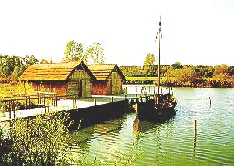 Oldenburger Wall
Photo: © KulTour Oldenburg in Holstein GmbH
Oldenburg Wall: Key Facts
The Oldenburg Wall Museum tells the story of Starigard, an important Slavic settlement and trading center in the early Middle Ages. On the outdoor grounds, reconstructed houses and structures offer a vivid sense of how people lived, worked, and exchanged goods at the time. The museum focuses on archaeological finds and the site’s historical development. The rampart and exhibition thus form one combined visit: outside, visitors can experience the settlement’s layout, while inside they can examine the finds and how they fit together.
The museum is located at Professor-Struve-Weg 1 in Oldenburg in Holstein. The official visitor information lists the Oldenburg i.H.-Nord exit on the A1 as the route to take. Opening is seasonal: from April to June and in September and October, the museum is open Tuesday through Sunday; in July and August, it is open daily. It closes during the winter months. The museum’s visitor information page gives the exact daily opening hours.
Why Starigard matters to Baltic Sea history
Starigard is the historical name for Oldenburg. The settlement lay on a network of land and water routes that encouraged contact and trade in the western Baltic region. In the early Middle Ages, different groups and flows of goods converged here. This made the site more than a fortified settlement: it was one of the centers where political power, craftsmanship, and long-distance trade shaped one another.
The archaeological evidence offers a glimpse of these changes. Finds from everyday life and craft production provide clues about food supplies, clothing, metalworking, and contacts with other regions. The museum places these objects in the context of the settlement’s development. This makes it possible to explore the past through individual objects: a find can tell us about how it was made or used, while the exhibition shows how it fitted into the life of a settlement.
The setting of the rampart also becomes clearer when you take in the surrounding landscape. The rampart and reconstructed buildings give an impression of how the site was organized; the interiors reveal details that cannot be seen outdoors. A good approach is therefore to walk around the open-air grounds first and then visit the permanent exhibition. Visitors with children can start outdoors and then choose individual themed rooms.
Plan your visit and check the season
For a shorter visit, start with a walk around the outdoor grounds: the houses, paths, and rampart show how the site fits together. The museum exhibitions then provide a closer look at the archaeological finds and the history of Starigard. If you plan to stay longer, allow enough time for both parts: the open-air site involves walking and finding your way around, while the indoor galleries are designed for viewing the exhibits.
Seasonal opening hours are useful when planning your day. In April, May, June, September, and October, the museum is open Tuesday through Sunday; in July and August, it is open daily. The official visitor information lists the current opening hours and notes that the museum closes for the winter. Visitors can therefore plan a trip for the warmer months and combine it with other destinations during a stay in Oldenburg or along the coast.
By car, take the A1 and exit at Oldenburg i.H.-Nord, then follow the signs to the museum. If you are spending several days in Ostholstein, you could plan a trip inland from your coastal accommodation. The Fehmarn accommodation guide features places to stay for a visit to eastern Ostholstein, for example. For ideas on coastal and city destinations to pair with a museum visit, see things to do in Holstein; the overview of Holstein provides geographical context for the region.
Combine the rampart and museum with a regional outing
Oldenburg can be combined with other destinations as a cultural and historical highlight, as long as travel times and opening days work out. The Cismar Monastery and House of Nature add monastic history and natural history to your day. If you are more interested in castles and the history of royal residences, Eutin Castle offers a different historical perspective inland. A further trip to Lübeck adds a city perspective on trade and cultural history; see our guide to sights in Lübeck.
Frequently asked questions about the Oldenburg Wall
What does a visit include?
A museum visit includes the exhibitions and the outdoor grounds with reconstructed settlement areas. Together, they present archaeological finds and show how they relate to the layout of the historical settlement of Starigard.
When is the museum open?
From April to June and in September and October, it is open Tuesday through Sunday. In July and August, it is open daily; it closes for the winter. The official visitor information gives the current daily opening hours.
How do I get there?
The museum is located at Professor-Struve-Weg 1 in Oldenburg in Holstein. If you are driving on the A1, take the Oldenburg i.H.-Nord exit.
