
German Oceanographic Museum: MEERESMUSEUM, OZEANEUM and NATUREUM
The German Oceanographic Museum brings together exhibitions, aquariums and experiences of nature in Stralsund and at Darßer Ort. To help plan your visit, compare the modernized MEERESMUSEUM, the OZEANEUM and the NATUREUM; current contact details are listed below.
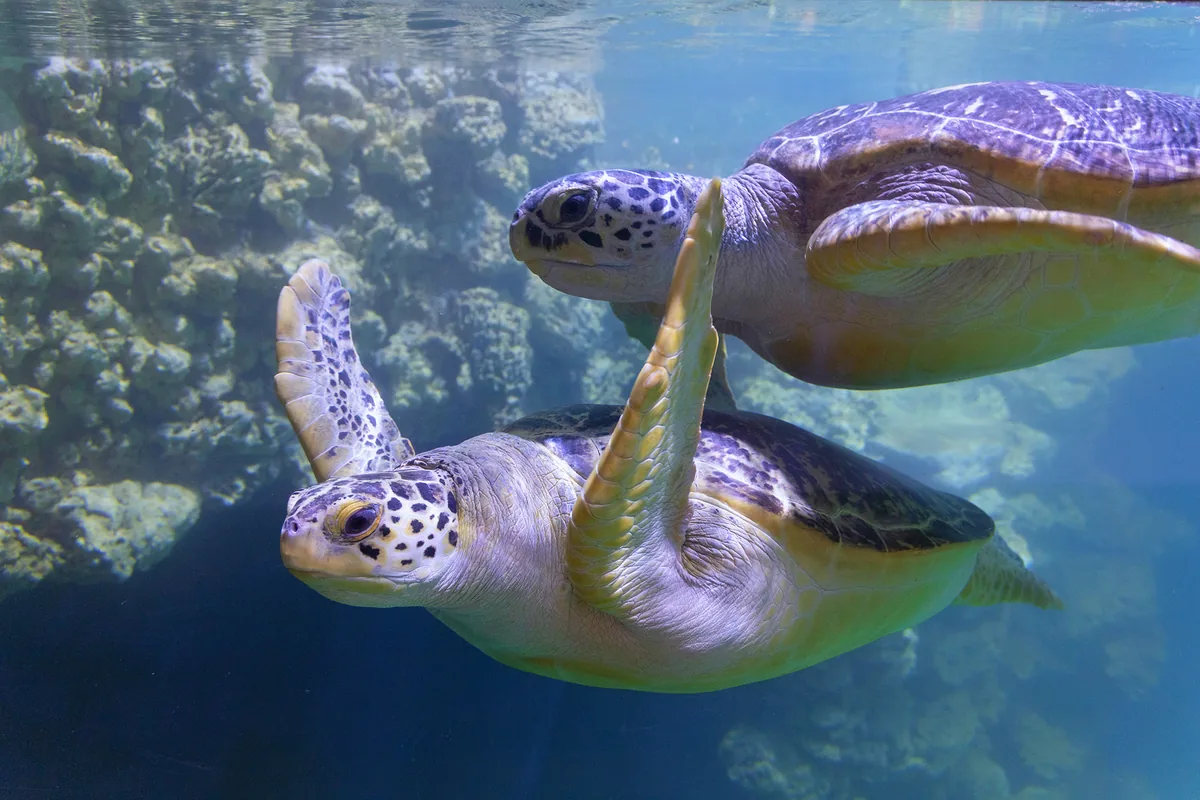 Zwei Meeresschildkröten schwimmen im Aquarium des MEERESMUSEUMs Stralsund.
Photo: Anke Neumeister / Deutsches Meeresmuseum
Zwei Meeresschildkröten schwimmen im Aquarium des MEERESMUSEUMs Stralsund.
Photo: Anke Neumeister / Deutsches Meeresmuseum
MEERESMUSEUM Stralsund: A journey into tropical underwater worlds
The MEERESMUSEUM is the oldest site of the German Oceanographic Museum Foundation. It is housed in the former St. Catherine’s Dominican Monastery in Stralsund.
Exhibitions: from the origins of life to the diversity of the sea
Numerous exhibits and modern interactive stations illustrate the development of life from the sea and its diversity. The exhibitions also explore the relationship between people and the sea, and present ways to achieve sustainable fishing. Airy display cases sweep across two floors like gentle waves.
Upstairs, faithfully recreated habitats, featuring taxidermied and modelled animals, lead visitors from Antarctica to the Arctic. A biodiversity wall more than 15 metres long reveals the often-underestimated diversity of marine invertebrates such as octopuses, jellyfish and crabs. Familiar highlights include the leatherback turtle “Marlene,” the original five-metre-high coral reef column from the Red Sea, and the fin whale skeleton in the choir. The globe from the former entrance area now presents marine science topics digitally.
Aquariums featuring tropical habitats
The aquarium route takes visitors through tropical underwater worlds. Thirty new tanks and one renovated tank recreate habitats from the Caribbean, the Pacific and the Indian Ocean. The largest tank in the MEERESMUSEUM, holding 800,000 litres of water, features a “Caribbean Reef.” Its eight-metre-high sloping window can be viewed from three gallery levels, letting visitors experience the reef from the water’s surface to the seabed.
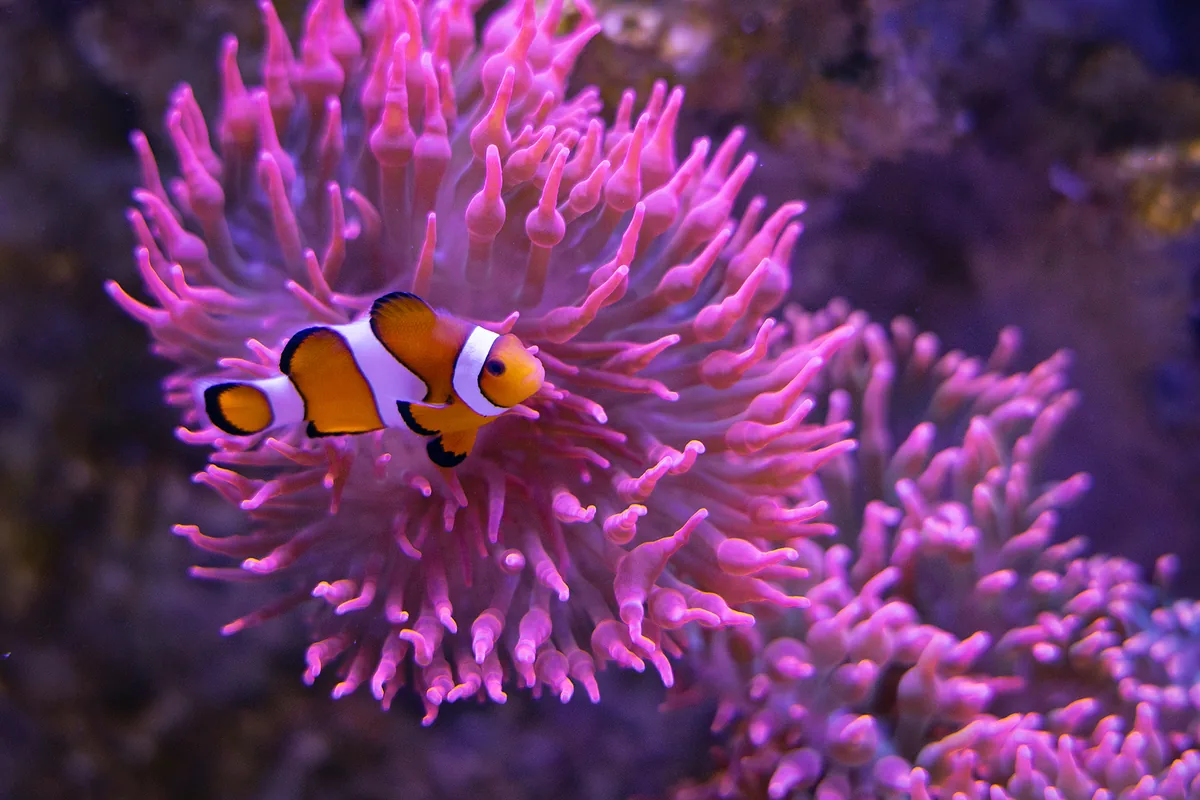
Highlights include sea turtles that are decades old, blue-spotted stingrays and other tropical fish. The museum breeds its own corals or receives them from other aquariums.
OZEANEUM Stralsund: Northern seas and life-size whales
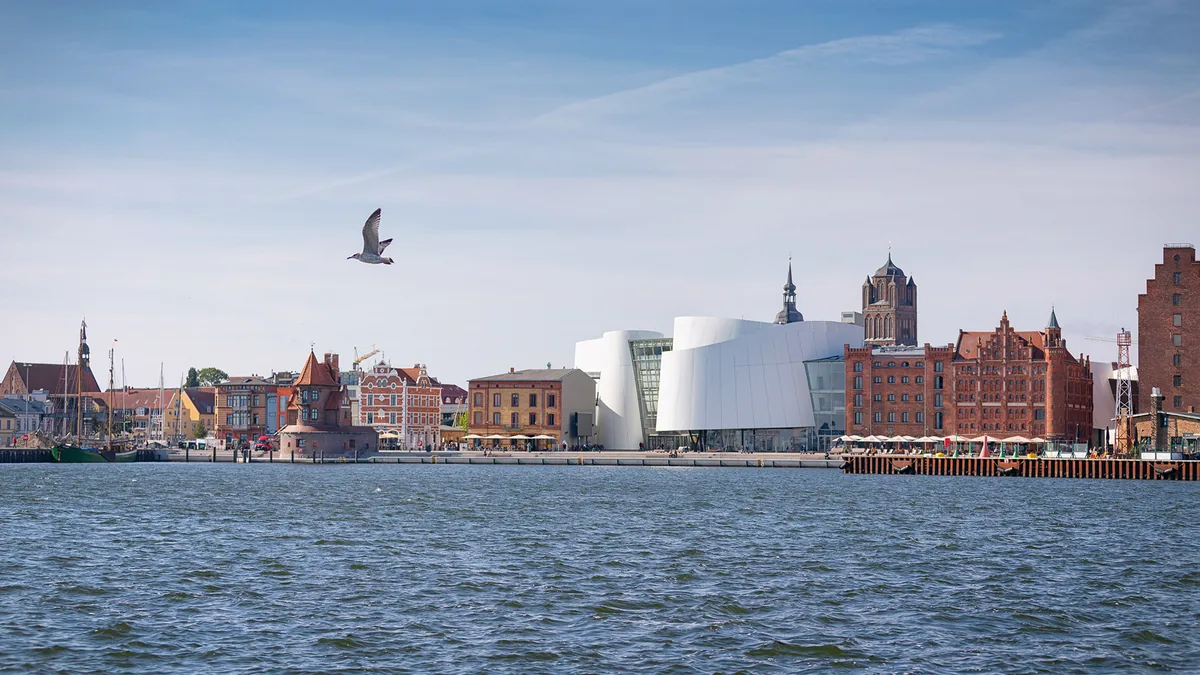
The OZEANEUM on Stralsund’s harbour island combines modern architecture with large aquariums and exhibitions. Since opening in July 2008, the site has welcomed more than nine million visitors, according to the German Oceanographic Museum.
Exhibitions and aquariums
In the “1:1 Giants of the Seas” exhibition, life-size whales appear to float above visitors, including a 26-metre-long blue whale, an orca and a sperm whale diving down to battle a giant squid. Whale songs accompany the display. With a large cloud of plankton, a walk-through relief map of the Baltic Sea and vividly designed habitats, the Baltic Sea exhibition shows how the sea changes from the coast to the depths.
The aquariums lead from the Baltic Sea through the North Sea to the North Atlantic. Shoals of fish, sharks, rays and cold-water corals offer a glimpse into the diversity of the northern seas. The largest aquarium holds 2.6 million litres of water and features a detailed shipwreck. On the rooftop terrace, visitors can watch Humboldt penguins above and below the water, while enjoying views of Stralsund’s historic old town.
Family-friendly, accessible and architecturally distinctive
The OZEANEUM has received awards including “European Museum of the Year.” It also holds the “Family Holiday MV – Quality Approved” seal and is certified under “Travel for All.” Designed by Behnisch Architekten, the complex’s white steel façades evoke sails billowing in the wind. In the foyer, a 34-metre-long escalator—roughly the length of a blue whale—connects the exhibition levels.
NATUREUM at Darßer Ort: Coastal nature and a lighthouse
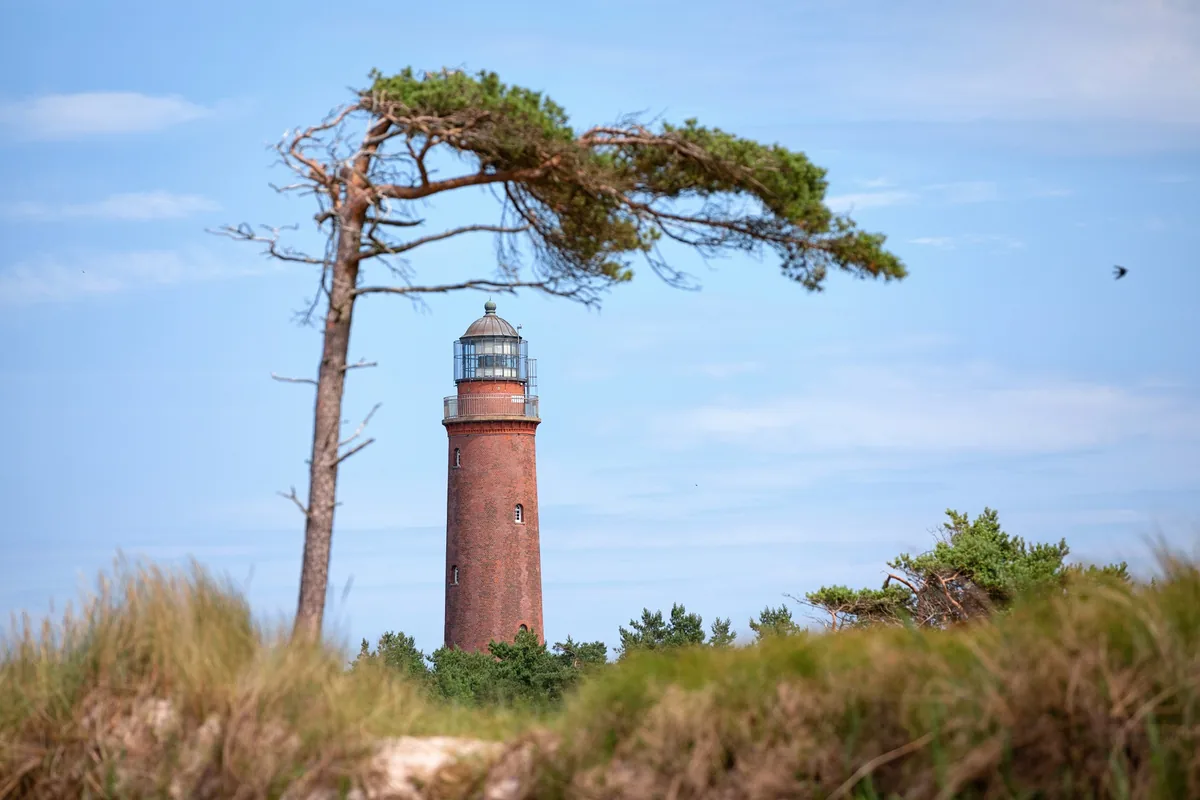
The NATUREUM lies in the core zone of the Western Pomerania Lagoon Area National Park. Its exhibitions and aquariums focus on the natural environment of this coastal region: marine animals from the Baltic Sea, wildlife from the Darß forest, and the distinctive features of the Darßer Ort landscape. Even the car-free route to the museum leads through the national park. After your visit, enjoy the view from the lighthouse across the coast and Darßer Weststrand.
Contact and visitor information
MEERESMUSEUM
Visitor entrance opposite Mönchstraße 45
Accessible entrance: Bielkenhagen 10
18439 Stralsund
Phone: +49 3831 2650-610
Email: info@meeresmuseum.de
The German Oceanographic Museum provides current visitor information on the official MEERESMUSEUM website.
OZEANEUM
Hafenstraße 11
18439 Stralsund
Phone: +49 3831 2650-610
Email: info@meeresmuseum.de
Opening hours, admission and directions are available on the official OZEANEUM visitor website.
NATUREUM
Right next to the Darßer Ort lighthouse
Darßer Ort 1–3
18375 Born am Darß
Email: info@meeresmuseum.de
Information about car-free access and visiting the museum is published on the official NATUREUM visitor website.
Photos: Anke Neumeister / German Oceanographic Museum.
